Florida is one of the best places in the continental United States to grow tropical plants. With USDA hardiness zones ranging from 9a in the panhandle to 11a in the Keys, the Sunshine State offers a climate that supports everything from cold-hardy palms to heat-loving tropical fruit. But growing tropicals in Florida is not just about warm temperatures — it requires understanding sandy soils, salt exposure, seasonal rainfall patterns, and the occasional freeze.
At Demo Kotsonis Plants we grow over 15 species of palms and dozens of tropical plants from seed and seedling at our coastal Florida nursery near New Smyrna Beach. This pillar guide shares what we have learned over 20+ years of growing in Florida's unique conditions.
Why Florida Is Perfect for Tropical Plants
Florida's combination of warm temperatures, high humidity, and abundant rainfall creates ideal conditions for tropical growth. Specifically:
- Long growing season — 9–12 months of active growth depending on your zone
- Natural humidity — many tropicals evolved in humid environments and struggle in dry climates
- Sandy, well-draining soil — while it requires amendment, sand prevents the root rot that kills tropicals in clay soils
- Abundant sunshine — 230+ sunny days per year in central and south Florida
The challenge lies in soil fertility (sand alone lacks nutrients), salt exposure (for coastal growers), and cold events (freezes can reach zones 9–10 every few years).
Palm Trees: Florida's Signature Tropical Plant
Palms are the backbone of any Florida tropical landscape, and they are our nursery's largest specialty. We grow 15+ species from seed, including:
Feather Palms (Pinnate)
- Foxtail Palm (Wodyetia bifurcata) — Our most popular palm. Self-cleaning, fast-growing, and produces a dramatic bottlebrush-shaped crown. Zones 10–11.
- Areca Palm (Dypsis lutescens) — The classic clumping palm for privacy screens. Grows 15–25 feet and tolerates some shade. Zones 10–11.
- Christmas/Adonidia Palm (Adonidia merrillii) — Compact, symmetrical, and perfect for small yards. Produces bright red fruit clusters around Christmas. Zones 10b–11.
- Queen Palm (Syagrus romanzoffiana) — A graceful, fast-growing palm that reaches 40–50 feet. Tolerates a wider range of soils. Zones 9b–11.
- Montgomery Palm (Veitchia montgomeryana) — Similar to the Adonidia but larger and more cold-sensitive. A true collector's palm. Zone 10b+.
- Pygmy Date Palm (Phoenix roebelenii) — A small, elegant palm perfect for containers and poolside plantings. Zones 10–11.
- Phoenix Reclinata (Senegal Date Palm) — A dramatic multi-trunk palm that creates a sculptural focal point. Zones 9–11.
- Arenga Palm — An uncommon feather palm with silvery undersides. A real collector's specimen. Zone 10+.
- Ribbon Palm (Livistona decora) — Elegant drooping leaflets give this palm its common name. Hardy to zone 9b.
Fan Palms (Palmate)
- Chinese Fan Palm (Livistona chinensis) — Large, glossy fan leaves on a solitary trunk. Very cold-hardy for a tropical palm (zone 9a).
- Mediterranean Fan Palm (Chamaerops humilis) — Multi-trunk, slow-growing, and incredibly cold-hardy. Survives into zone 8b.
- Cabbage Palm (Sabal palmetto) — Florida's state tree. Native, salt-tolerant, hurricane-resistant, and virtually indestructible.
- Silver Saw Palmetto — A silver-blue form of the native saw palmetto. Stunning as a landscape accent or mass planting.
For palm seeds, browse our tropical seeds collection.
Growing Tropical Plants in Coastal Florida
Coastal growing presents unique challenges. Our guide on Growing Tropical Plants in New Smyrna Beach Conditions covers what we have learned firsthand:
Salt Tolerance
Not all tropical plants handle salt spray. Our top salt-tolerant picks: - Cabbage palm — native to coastal dunes - Silver saw palmetto — evolved in maritime environments - Clusia — excellent as a salt-tolerant hedge - Surinam cherry — handles moderate salt exposure
For more, see Salt Air and Coastal Growing Tips and Best Plants for Coastal Florida.
Wind Protection
Coastal winds desiccate leaves and topple unstable plants. Use cabbage palms and clusia hedges as windbreaks to protect more delicate species behind them.
Container Growing in Florida
Florida's sandy soil and rental-heavy housing market make container growing extremely popular. Our guide on Container Growing in Florida Heat covers essential tips:
- Use large containers (15+ gallons for palms, 5+ for shrubs) to buffer against heat
- Choose light-colored pots — dark containers absorb heat and can cook roots
- Water daily in summer — containers dry out fast in Florida heat
- Use a quality potting mix — not native sand, which drains too fast and holds no nutrients
- Fertilize regularly — container plants deplete nutrients faster than in-ground plants
Great container candidates include pygmy date palm, plumeria, ornamental pineapple, and all our tropical herbs.
Seasonal Planting Guide for Florida
Timing matters. What to Plant in Florida by Season provides a month-by-month breakdown, but here is the summary:
- Spring (March–May) — Best time to plant palms, tropical fruit, and warm-season herbs. Soil is warming and rain increases.
- Summer (June–August) — Focus on watering and maintaining. Avoid transplanting during peak heat. Great time to take cuttings.
- Fall (September–November) — Second-best planting window. Temperatures moderate while soil is still warm. Ideal for palms and shrubs.
- Winter (December–February) — Protect cold-sensitive plants. Mulch heavily. This is when loquat fruits and deciduous plants rest.
Heat-Tolerant Edible and Fruiting Plants
Florida's summer heat kills many traditional garden plants, but tropical edibles thrive in it. Heat-Tolerant Edible and Fruiting Plants covers the best options:
- Surinam cherry — fruits heavily in spring and fall
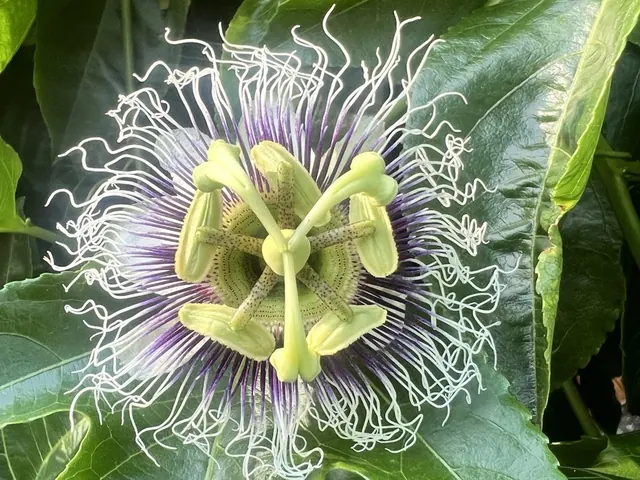
- Passion fruit — vigorous summer grower
- Cuban oregano — thrives in 90°F+ heat
- Cranberry hibiscus — produces all summer long
- Mango — Florida's quintessential tropical fruit tree
Getting Started as a Beginner
If you are new to tropical growing in Florida, start with our Warm-Climate Growing for Beginners guide. It covers the fundamentals of soil preparation, watering, fertilizing, and cold protection.
For humidity-specific advice, see Humidity-Loving Plants for Florida Growers.
Frequently Asked Questions
What is the most cold-hardy palm for Florida?
The Mediterranean fan palm (Chamaerops humilis) and the cabbage palm (Sabal palmetto) are the most cold-hardy, surviving into zone 8b. Chinese fan palm is also very cold-tolerant, handling brief dips to 20°F.
Can I grow tropical plants in North Florida?
Yes, but you will need to choose cold-hardy species and provide winter protection. Cabbage palm, Chinese fan palm, loquat, and fig all grow well in zones 9a–9b. Use microclimates (south-facing walls, overhangs) to push your zone.
How do I protect tropical plants from a Florida freeze?
Cover plants with frost cloth (not plastic), mulch the root zone heavily, and water the soil before the freeze — wet soil retains heat better than dry soil. Move container plants indoors or into a garage.
Do palms grow from seeds or cuttings?
Palms can only be grown from seed — they cannot be propagated from cuttings. Our nursery germinates palm seeds and grows seedlings to a shippable size, which typically takes 6–18 months depending on the species.
How fast do Florida palms grow?
Growth rates vary widely. Foxtail and queen palms grow 2–3 feet per year in ideal conditions. Christmas palms grow 1–2 feet per year. Mediterranean fan palms grow only a few inches per year but are valued for their sculptural form.
Shop Florida-Friendly Tropical Plants
Browse our palm collection, tropical seeds, tropical plants, and fruit plants. Every plant is grown right here in coastal Florida and ships with care instructions for your specific zone.