Step into the Florida wilderness and discover a plant that embodies the spirit of our native landscapes – the Silver Saw Palmetto. This iconic shrub, with its striking silvery foliage and rugged resilience, is a true testament to the beauty and strength of Florida's natural flora. Whether you're a seasoned gardener or just starting out, the Silver Saw Palmetto offers a unique blend of aesthetic appeal and ecological significance that's simply captivating.
Overview
The Silver Saw Palmetto (scientific name: Serenoa repens) is a slow-growing, fan-leaved palm native to the southeastern United States, particularly abundant in Florida. It's renowned for its distinctive, often silvery-blue, palmate leaves that radiate from a subterranean or creeping stem. While it can form dense thickets in the wild, its compact size and low-maintenance nature make it an excellent choice for a variety of landscaping applications in subtropical climates. This palm is not just beautiful; it's also a vital part of our local ecosystem, providing food and shelter for a variety of wildlife.
Key Facts: * Scientific Name: Serenoa repens * Common Names: Silver Saw Palmetto, Saw Palmetto * Plant Type: Evergreen Shrubby Palm * Mature Size: Typically 2-7 feet tall and 4-10 feet wide, but can creep much wider over time. * Growth Rate: Slow * Bloom Time: Spring (small, creamy white flowers) * Fruit: Small, dark, reddish-black berries in late summer/fall * Native Range: Southeastern United States
Growing Conditions
The Silver Saw Palmetto is remarkably adaptable, a key reason for its widespread presence in Florida. Understanding its preferred conditions will help it thrive in your garden.
- Light: This versatile palm truly excels in full sun, where its silvery foliage typically develops the most intense coloration. However, it is also highly tolerant of partial shade, though the silver hue might be less pronounced. For the best display and strongest growth, aim for at least 6 hours of direct sunlight daily.
- Soil: Silver Saw Palmetto isn't fussy about soil. It thrives in well-draining soils, including sandy, loamy, or even poor soils. It's highly tolerant of both acidic and alkaline conditions, commonly found in Florida gardens. The most important factor is good drainage to prevent root rot.
- Water: Once established, Serenoa repens is exceptionally drought-tolerant. In its native habitat, it can endure long periods without rain. For newly planted specimens, water regularly to establish a strong root system – typically 2-3 times per week for the first few months. After that, supplemental watering is rarely needed unless there are prolonged dry spells or if it's planted in a container.
- Temperature: As a native Floridian, this palm is built for our subtropical climate. It tolerates hot, humid summers effortlessly.
- USDA Zones: 8-11. It's particularly well-suited for all of Florida.
Care & Maintenance
The beauty of the Silver Saw Palmetto lies in its low-maintenance nature, making it a dream plant for busy gardeners.
- Fertilization: In most well-established garden settings, especially in Florida's naturally fertile (or easily amended) soils, supplemental fertilization is often unnecessary. If growth seems slow or leaves yellow, a slow-release palm fertilizer formulated for our sandy soils can be applied in spring and fall, following package directions. Avoid over-fertilizing.
- Pruning: Minimal pruning is required. Remove any dead, damaged, or yellowing fronds by cutting them at the base of the stem. Be cautious not to over-prune, as the fronds are essential for the plant's health and vigor. The "saw" in its name comes from the sharp, tooth-like serrations on the leaf petioles, so wear thick gloves when handling.
- Mulching: A layer of organic mulch (like pine bark or cypress mulch) around the base can help retain soil moisture, suppress weeds, and regulate soil temperature, especially beneficial for newly planted palms.
Propagation Tips
Propagating Silver Saw Palmetto can be a slow but rewarding process, primarily done through seeds.
- Seed Propagation: Collect ripe, dark berries in late summer or fall. Clean the pulp off the seeds thoroughly.
- Stratification: Saw Palmetto seeds often have dormancy that needs to be broken. A warm stratification period (e.g., placing seeds in moist sand or peat at 90-100°F for several months) followed by a short cool stratification can aid germination. However, many growers in Florida simply plant fresh, cleaned seeds directly in a well-draining potting mix.
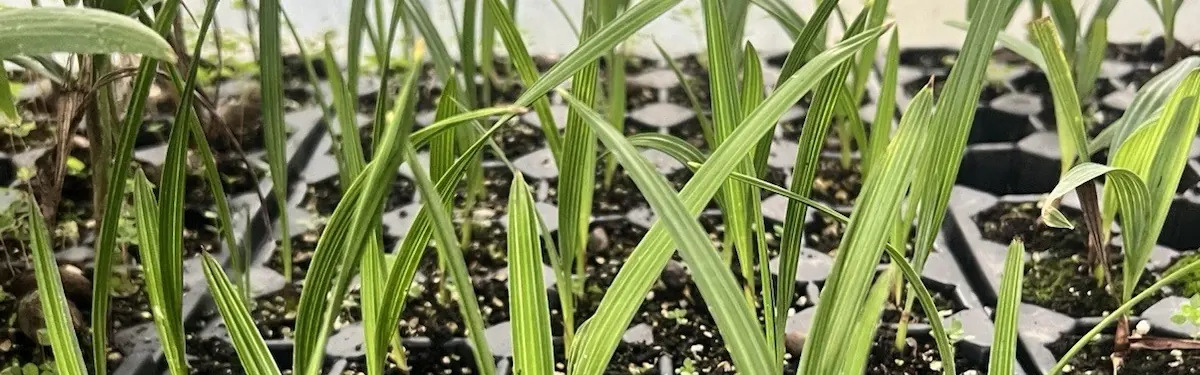
- Planting: Plant seeds about 1 inch deep in pots filled with a gritty, well-draining seed-starting mix. Keep the soil consistently moist but never waterlogged.
- Germination: Germination can be slow and erratic, ranging from several months to over a year. Patience is key!
- Division: While less common due to their deep-seated, creeping stems, established plants with multiple visible stems might occasionally be divided, though this can be difficult and disruptive to the parent plant.
Common Problems & Solutions
The Silver Saw Palmetto is incredibly tough and resistant to most pests and diseases.
- Pests: Generally pest-free. Occasionally, mealybugs or scale might appear, especially on stressed plants.
- Solution: For minor infestations, wipe pests away with a damp cloth or cotton swab dipped in rubbing alcohol. For more significant issues, use an insecticidal soap or horticultural oil, applied according to package directions.
- Diseases: Highly resistant to most diseases. Root rot can occur in consistently waterlogged soil.
- Solution: Ensure excellent drainage. If planting in a container, use a potting mix designed for palms and a pot with drainage holes.
- Foliage Discoloration: Yellowing fronds can indicate nutrient deficiency (especially in very poor soils) or overwatering.
- Solution: Perform a soil test if concerned about nutrients, otherwise apply a balanced palm fertilizer. Check soil moisture before watering and ensure drainage is adequate.
Why Grow This Plant?
Incorporating the Silver Saw Palmetto into your Florida landscape offers a multitude of benefits:
- Unrivaled Drought Tolerance: Perfect for a water-wise landscape and ideal for Florida's typically dry springs and falls.
- Low Maintenance: Requires minimal pruning, fertilization, or watering once established, fitting seamlessly into busy lifestyles.
- Unique Aesthetic Appeal: The striking silvery-blue foliage provides a beautiful contrast and texture in any garden, offering a distinct "Florida native" look.
- Ecological Benefits: As a native plant, it supports local wildlife, providing nesting sites and food (the berries are eaten by various birds and mammals).
- Excellent for Coastal/Xeric Landscaping: Thrives in sandy soils and salty air, making it perfect for coastal properties.
- Disease and Pest Resistant: A healthy, vigorous plant that you won't have to constantly battle with pests or diseases.
Embrace the rugged beauty and resilience of the Silver Saw Palmetto. Its captivating foliage and easy-care nature make it an exceptional choice for any Florida gardener seeking a touch of native elegance.