Cultivating a thriving edible garden in Florida means embracing our unique tropical climate, where the sun reigns supreme and humidity is a constant companion. Forget fighting the heat; instead, revel in the abundance that heat-tolerant edible and fruiting plants offer, transforming your backyard into a truly productive paradise.
Florida Growing Zones & Climate
Florida's lengthy peninsula stretches across several USDA Plant Hardiness Zones, ranging from 8a in the cooler Panhandle to 11b in southernmost South Florida. Most of Central and South Florida falls within zones 9b-11a, characterized by long, hot, humid summers and mild winters. Our climate is distinctly tropical to sub-tropical, with a pronounced wet season from June to November, typically coinciding with hurricane season, and a drier, cooler season from December to May.
This extended warm period is a boon for tropical edibles, allowing them to thrive and produce abundantly when their temperate counterparts wilt and bolt. However, it also means contending with incessant humidity, which can be a double-edged sword: while many tropical plants adore it, it also fosters fungal diseases. Our soils often present challenges, too, characterized by sandy textures lacking organic matter and, particularly in South Florida, underlying limestone that can affect pH. Understanding these regional nuances is key to successful edible gardening in the Sunshine State.
Best Varieties for Florida
Florida's climate is perfectly suited for a diverse array of heat-loving edible and fruiting plants. These varieties don't just tolerate the heat; they thrive in it, often producing their best bounty when temperatures are soaring.
-
Roselle ( Hibiscus sabdariffa): A stunner in the garden, roselle truly comes alive in the Florida heat. It needs warmth to trigger flowering and fruit production, which typically occurs in late summer into fall. The edible calyces are perfect for teas, jams, and sauces, boasting a tart, cranberry-like flavor. It's a fantastic choice for all Florida zones, especially Central and South Florida where the growing season is long enough for prolific production. Plant in full sun.
-
Cuban Oregano ( Plectranthus amboinicus): This succulent herb is an absolute champion in Florida's full sun and heat. Unlike more delicate European oreganos, Cuban oregano becomes more flavorful and robust in our intense summer conditions. Its thick, fuzzy leaves carry a strong, pungent flavor, excellent for stews, meat dishes, and even pestos. It's incredibly easy to propagate and maintain, making it a staple for any Florida herb garden from the Panhandle to the Keys.
-
Mulberry ( Morus spp.): Often overlooked, mulberries are a fantastic, resilient fruit tree for Florida. They are largely unfazed by summer temperatures and produce an abundance of sweet, blackberry-like fruit, often as early as late winter to spring, with some varieties having multiple flushes. Varieties like 'Shangri-La' or 'Florida Giant' are particularly well-suited. They are low-maintenance, grow rapidly, and can provide significant shade. Suitable across most of Florida, though some varieties may prefer the warmer southern zones for optimal fruiting.
-
Fig ( Ficus carica): Figs absolutely adore the Florida heat, which enhances their natural sweetness. Many varieties do exceptionally well here, producing delicious, delicate fruits. Figs prefer full sun and, once established, are relatively drought tolerant. They are also quite adaptable to various soil types, though good drainage is crucial. 'Brown Turkey' and 'Celeste' are popular, reliable choices. While figs can grow across Florida, protecting young trees from hard freezes in northern zones might be necessary.
-
Surinam Cherry ( Eugenia uniflora): A true humidity lover, this attractive shrub or small tree produces abundant, shiny, ribbed fruits that transition from green to deep red or black when ripe. The flavor is unique, sweet-tart, and resinous, excellent eaten fresh or made into jams and jellies. It thrives in South and Central Florida, tolerating sun and heat with ease. It's also a fantastic hedge plant.
-
Moringa ( Moringa oleifera): Known as the "miracle tree," moringa thrives in Florida's heat and poor soils. Its leaves are incredibly nutritious, packed with vitamins and minerals, and can be harvested year-round in warmer areas. It grows very quickly, tolerating drought and making it an excellent, low-maintenance food source for Central and South Florida.
-
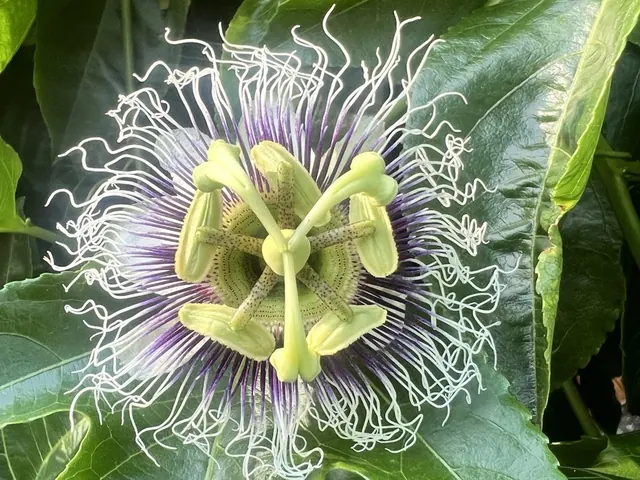
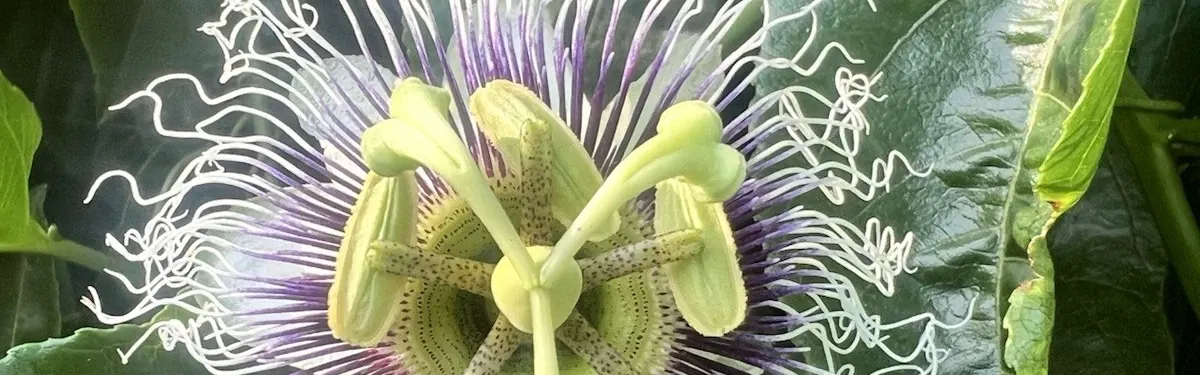
Passion Fruit ( Passiflora edulis/incarnata): These vigorous vines revel in Florida's sun and humidity, often producing stunning flowers followed by delicious, aromatic fruit. The native Passiflora incarnata (Maypop) is cold-hardier and can grow further north, while tropical varieties like purple passion fruit thrive in South and Central Florida. They require strong support for climbing.
-
Sweet Potato ( Ipomoea batatas): Not just for Thanksgiving! Sweet potatoes are a powerhouse crop in Florida, growing enthusiastically through our long, hot summers. Both the tubers and the young leaves (which are highly nutritious) are edible. They are a low-maintenance, high-yield plant, thriving in full sun and various soil types. Ideal for all Florida regions.
-
Longevity Spinach ( Gynura procumbens): A superb, perennial leafy green for Florida. It loves humidity and heat, growing robustly even in our sweltering summers when other greens bolt. The leaves are nutritious and have a mild, slightly mucilaginous taste, great in salads or stir-fries. Easy to propagate from cuttings, it's a must-have for continuous greens in Central and South Florida.
-
Malabar Spinach ( Basella alba/rubra): Another excellent summer green, thriving in high heat and humidity where traditional spinach won't survive. This vigorous vine produces succulent leaves that are tasty raw or cooked. It prefers full sun to partial shade and benefits from a trellis. Great for all Florida zones during the warm season.
Planting & Care Calendar (Month-by-Month for Florida)
This calendar focuses on optimizing your heat-tolerant edibles throughout Florida's distinct seasons.
-
January-February (Dry Season, Cooler):
- Planting: Ideal time to plant dormant fruit trees like Mulberries and Figs, allowing them to establish roots before summer. Start Roselle seeds indoors or in protected areas in South Florida.
- Care: Prune Mulberries and Figs if needed. Minimal watering for established plants. Monitor for early pests.
-
March-April (Dry Season, Warming):
- Planting: Direct sow Sweet Potatoes, or plant slips once soil warms. Plant Roselle and Cuban Oregano outdoors. Establish new Passion Fruit vines.
- Care: Increase watering as temperatures rise. Fertilize established fruit trees. Scout for spring caterpillars.
-
May-June (Transition to Wet Season, Hot):
- Planting: Plant Moringa from cuttings or small trees. Malabar Spinach and Longevity Spinach can be planted now.
- Care: Regular watering as rain becomes more sporadic initially. Mulch heavily to retain moisture. Monitor for early signs of fungal issues with increasing humidity.
-
July-August (Wet Season, Hottest):
- Planting: Continuous planting of Malabar Spinach, Longevity Spinach, and Sweet Potato slips.
- Care: High humidity and daily rains mean less supplemental watering for established plants, but ensure good drainage. Fertilize heat-loving vegetables. Keep an eye out for caterpillars and fungal spots. Roselle should be growing vigorously.
-
September-October (Wet Season, Still Hot but potentially drying):
- Planting: Final planting of Roselle for a good fall harvest.
- Care: Hurricane season prep (see below). Roselle begins to flower and produce calyces. Harvest Sweet Potatoes once leaves yellow. Continually harvest Malabar Spinach, Longevity Spinach, and Cuban Oregano. Monitor for pests and diseases as the season transitions.
-
November-December (Transition to Dry Season, Cooling):
- Planting: Still a good time to plant some perennial herbs like Cuban Oregano.
- Care: Harvest Roselle calyces. Prune back exhausted annuals. Reduce watering as temperatures drop and rains diminish. Prepare beds for any cool-season crops you might want to try. Protect tender plants if a cold snap is predicted in North or Central Florida.
Soil, Water & Fertilization (Florida-Specific)
Florida's unique geological makeup necessitates a tailored approach to soil, water, and fertilization.
-
Soil: Much of Florida, particularly coastal and central regions, features sandy soils. These drain exceptionally well, which is great for preventing root rot, but they also leach nutrients quickly and hold little moisture. In South Florida, especially over limestone bedrock, soils can be highly alkaline.
- Improvement: Incorporate significant amounts of organic matter (compost, well-rotted manure, peat moss) into planting beds. This improves water retention, nutrient-holding capacity, and introduces beneficial microbes. For container gardening, use a high-quality potting mix designed for tropical plants.
- pH Management: For plants preferring slightly acidic conditions, incorporating peat moss or specific acid-lovers' fertilizers can help. A soil test will give you precise pH and nutrient information.
-
Water: Florida experiences a distinct wet and dry season.
- Wet Season (June-November): Rain is often abundant. Monitor soil moisture; established plants often need little to no supplemental irrigation. However, ensure good drainage to prevent waterlogging.
- Dry Season (December-May): Irrigation is crucial. Deep watering less frequently is better than shallow, frequent watering, encouraging deeper root growth. Utilize drip irrigation or soaker hoses to conserve water and deliver it directly to the root zone, particularly beneficial for our sandy soils.
-
Fertilization: Due to sandy soils and heavy rainfall, nutrients can deplete quickly.
- Frequency: Heat-tolerant edibles often have a high nutrient demand due to rapid growth. Fertilize regularly but judiciously, especially during active growth and fruiting periods.
- Type: Use a balanced organic fertilizer to build soil health over time. Supplemental liquid feeds (e.g., fish emulsion, seaweed extract) can provide a quick boost. For fruiting trees, consider fertilizers with higher potassium.
- Micronutrients: Florida soils can be deficient in certain micronutrients like magnesium, iron, and boron, particularly in alkaline conditions. Look for fertilizers that include these or supplement with specific micronutrient sprays if deficiencies are observed (e.g., yellowing leaves with green veins for iron deficiency).
Pest & Disease Management (Florida-Specific Pests)
Florida's warm, humid climate is a haven for plant life, but also for a multitude of pests and diseases. Integrated Pest Management (IPM) is essential.
-
Common Pests:
- Aphids, Whiteflies, Mealybugs: These sap-sucking insects are year-round problems. Use strong sprays of water, insecticidal soap, or neem oil. Encourage beneficial insects like ladybugs.
- Caterpillars: Many species can defoliate plants rapidly in Florida. Hand-picking is effective for smaller infestations. Bacillus thuringiensis (Bt) is an organic choice for larger issues. Plant sacrificial herbs like dill or fennel to attract swallowtail butterfly larvae away from your main crops.
- Grasshoppers: Can be devastating to young plants. Hand-picking or covering plants with fine mesh netting can help.
- Spider Mites: Especially problematic during dry spells. Increase humidity around plants, spray with water, or use miticides.
- Nematodes: Microscopic soilborne worms that damage roots, particularly in sandy soils. Improve soil health with organic matter. Certain marigold varieties can act as a trap crop.
-
Common Diseases:
- Fungal Leaf Spots & Mildew: High humidity fosters these. Ensure good air circulation, avoid overhead watering late in the day, and prune to open up plant canopies. Copper-based fungicides can be used for severe cases.
- Root Rot: Primarily due to overwatering or poor drainage, especially in heavy soils. Improve soil structure and ensure pots have drainage holes.
-
Prevention & Organic Solutions:
- Healthy Plants: Strong, well-fed plants are more resilient.
- Crop Rotation: Avoid planting the same crop in the same spot repeatedly.
- Weed Control: Weeds can harbor pests and diseases.
- Beneficial Insects: Attract lacewings, ladybugs, and parasitic wasps by planting flowering herbs and native plants.
- Neem Oil: A broad-spectrum organic pesticide and fungicide.
Hurricane & Storm Preparation
As a Florida gardener, preparing for hurricanes and tropical storms is part of the routine.
-
Assess Vulnerable Plants:
- Container Plants: Move smaller pots indoors or to a sheltered location (garage, patio). Cluster heavier pots together to reduce tipping.
- Young Trees/Tall Vegetables: Stake young trees securely. Prune back any overly leggy or top-heavy vegetable plants (e.g., Moringa, Passion Fruit vines) to reduce wind resistance.
- Trellised Plants: Securely attach vines to trellises or, for lighter vines, consider laying them carefully on the ground if strong winds are expected.
-
Water Before the Storm: Give all plants a thorough watering. This hydrates them and helps them withstand potential drought if power is out or irrigation is damaged.
-
Clear Debris: Remove any loose objects from the garden that could become projectiles (ornaments, tools, small pots).
-
Harvest: Harvest any ripe or nearly ripe fruits and vegetables. This prevents spoilage and provides you with food if supply chains are interrupted.
-
Post-Storm Care:
- Inspect: After the storm, assess damage. Right fallen trees or stakes.
- Clean-up: Remove broken branches and debris. Prune jagged breaks cleanly.
- Watering: Check soil moisture; while there's been rain, salinity from storm surge can be an issue in coastal areas. Leach salt from soil by flushing with fresh water.
FAQ
-
Q: Can I grow heat-tolerant edibles in containers in Florida? A: Absolutely! Many heat-tolerant plants, especially herbs like Cuban Oregano and leafy greens like Longevity and Malabar Spinach, thrive in containers. Even Mulberries, Figs, and Roselle can be grown in large containers, though their size might be somewhat restricted. Just ensure good drainage and use a high-quality potting mix.
-
Q: My Roselle isn't flowering. What could be wrong? A: Roselle is photoperiod sensitive, meaning it needs short days to trigger flowering. In Florida, this typically means flowering starts in late summer or fall as day length shortens, leading to harvests in late fall/early winter. Ensure it's in full sun and receiving adequate water and nutrients. Patience is key!
-
Q: What's the biggest challenge for growing edibles in Florida during summer? A: While heat itself is good for these plants, the combination of high heat and high humidity creates ideal conditions for fungal diseases. Good air circulation, proper watering techniques (watering at the base in the morning), and selecting disease-resistant varieties are crucial. Also, specific pest pressures (like grasshoppers and various caterpillars) are intensified.
-
Q: I have very sandy soil. Do I need to amend it every year for my edibles? A: For perennial edibles (e.g., fruit trees, perennial herbs), a good initial amendment with organic matter will provide long-term benefits. For annuals or heavy feeders, annual top-dressing with compost or incorporating organic matter before planting each season will significantly improve soil fertility and water retention, essential for sustained production in sandy Florida soils.