Looking to bring a touch of the tropics into your home or garden here in sunny Florida? The Areca Palm, with its graceful, feather-like fronds and vibrant green hue, is a true superstar. This beloved palm is not just a beautiful addition; it's also a fantastic air purifier, making it a favorite for both indoor and outdoor settings in our subtropical climate.
Overview
The Areca Palm, scientifically known as Dypsis lutescens, is a popular and elegant palm native to Madagascar. It's often called the "Butterfly Palm" due to its arching, feathery fronds that resemble butterfly wings. In its natural habitat and favored climates like ours in South Florida, it can grow into a magnificent, multi-stemmed clump, reaching impressive heights. Beloved for its lush appearance and air-purifying qualities, it's a staple in tropical landscapes and indoor spaces alike.
- Botanical Name: Dypsis lutescens (formerly Chrysalidocarpus lutescens)
- Common Names: Areca Palm, Yellow Palm, Butterfly Palm, Golden Cane Palm
- Plant Type: Perennial Palm
- Mature Size: Outdoors: 15-30 feet tall, 8-15 feet wide; Indoors: 6-10 feet tall
- Growth Rate: Moderate to Fast
- Lifespan: Many decades with proper care
- Foliage: Evergreen, pinnate, bright green to yellowish-green leaflets
- Flowers: Small, yellow-white flowers in season (rarely seen on indoor plants)
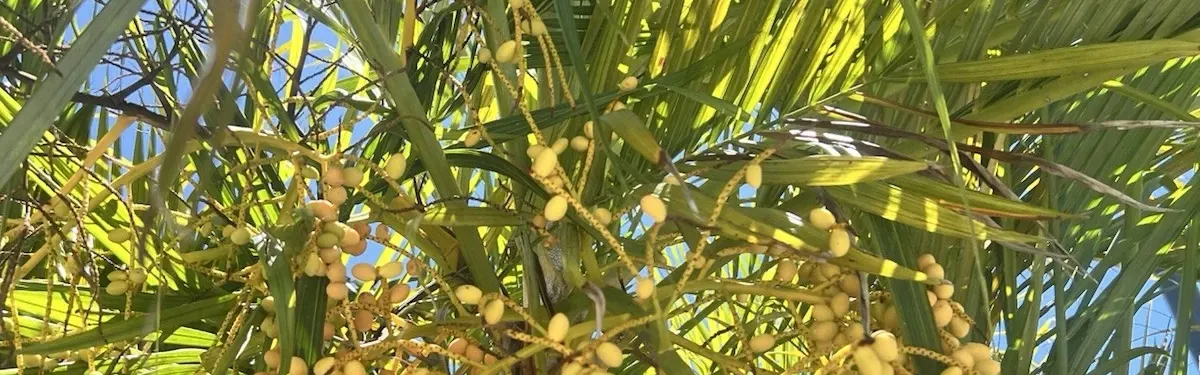
- Fruit: Small, yellowish-orange to purplish-black fruit (non-edible)
- Toxicity: Non-toxic to humans and pets
Growing Conditions
The key to a thriving Areca Palm in Florida lies in understanding its preferred environment. Mimicking its tropical origins will lead to a lush, healthy specimen.
- Light:
- Outdoors in Florida: Prefers bright, indirect light to partial shade. Can tolerate morning sun, but direct afternoon sun, especially in South Florida, can scorch the fronds and cause yellowing. Often seen planted under the canopy of larger trees or on the east side of buildings.
- Indoors: Needs bright, indirect light. A south or west-facing window with sheer curtains, or an east-facing window, is ideal. Low light will result in leggy growth and pale fronds.
- Soil: Well-draining, rich, slightly acidic to neutral (pH 6.0-7.0) soil. For potted plants, use a high-quality potting mix formulated for palms or a blend of peat moss, perlite, and sand. In the landscape, amend heavy clay soils with organic matter to improve drainage.
- Water: Keep soil consistently moist but never soggy. Allow the top inch or two of soil to dry out between waterings. Overwatering leads to root rot, while underwatering causes frond tips to brown. Florida's humidity helps, but regular monitoring is crucial, especially during dry spells or if planted in containers. Use distilled or rainwater if possible, as fluoride and chlorine in tap water can cause tip burn.
- Temperature: Thrives in warm temperatures, ideally between 65-80°F (18-27°C). Protect from temperatures below 50°F (10°C). While mature Areca Palms can tolerate a brief dip to 30°F (-1°C) with some damage, prolonged cold will be fatal. This makes it an ideal year-round outdoor plant in South Florida.
- USDA Zones: 10-11 for outdoor planting. In Zone 9b, it can be grown outdoors but may require protection during cold snaps. Elsewhere, it's typically grown as a houseplant.
Care & Maintenance
With consistent attention, your Areca Palm will reward you with vibrant foliage.
- Fertilizing: Fertilize regularly during the growing season (spring through fall) with a slow-release palm-specific fertilizer that includes micronutrients like magnesium and manganese. Follow package directions, as over-fertilizing can damage roots. If fronds show signs of yellowing or curling, it might indicate a nutrient deficiency.
- Pruning: Primarily for aesthetics and to remove dead or yellowing lower fronds. Use sharp, sterile shears. Avoid pruning healthy green fronds, as this can stress the plant and remove nutrients it's still drawing from. Never cut the main stems.
- Humidity: Areca Palms love humidity, which is generally abundant in Florida. Indoors, if your home is dry (e.g., with air conditioning constantly running), consider misting regularly or placing the pot on a pebble tray filled with water.
- Repotting: Repot every 2-3 years or when the plant becomes root-bound. Choose a pot only one size larger than the current one. Fresh soil provides new nutrients.
Propagation Tips
Propagating Areca Palms is most commonly done through division.
- Division: This is the easiest and most successful method. Carefully remove the parent plant from its pot (or dig around its base in the garden). Identify clumps of canes with their own root systems. Gently separate these clumps using a sharp knife or spade, ensuring each new division has a healthy root ball. Plant the divisions in their own pots or locations, watering thoroughly. This is best done in spring or early summer.
- Seeds: While possible, growing from seed is a longer and more challenging process. Seeds need to be fresh and kept consistently warm and moist to germinate, which can take several months.
Common Problems & Solutions
While generally resilient, Areca Palms can face a few issues:
- Brown Leaf Tips: Most commonly caused by underwatering, low humidity, or chemical sensitivity to tap water (fluoride/chlorine).
- Solution: Increase watering frequency, mist regularly, use distilled water, or let tap water sit out overnight before use. Ensure good drainage.
- Yellowing Fronds: Can indicate overwatering (leads to root rot), nutrient deficiency (especially magnesium or manganese), too much direct sun, or cold stress.
- Solution: Check soil moisture, apply palm-specific fertilizer, move to a shadier spot, or provide warmth.
- Pests: Mites, mealybugs, and scale insects can occasionally infest Areca Palms.
- Solution: Inspect regularly. For minor infestations, wipe leaves with a damp cloth or spray with insecticidal soap or neem oil. For severe cases, consider systemic insecticides as a last resort, following all safety precautions.
- Root Rot: Caused by consistently soggy soil and poor drainage.
- Solution: Improve soil drainage, reduce watering frequency, and ensure pots have drainage holes. In severe cases, repotting into fresh, well-draining soil and removing rotten roots may be necessary.
Why Grow This Plant?
The Areca Palm is a quintessential Florida plant for so many reasons! Its elegant, tropical aesthetic instantly transforms any space, whether it's gracing your living room or forming a lush privacy screen in your backyard. Beyond its undeniable beauty, it's renowned for its air-purifying capabilities, filtering out common household toxins. It's relatively low-maintenance, thriving in our warm, humid climate, and its pet-friendly nature makes it a worry-free choice for families with furry friends. If you're looking for an adaptable, gorgeous, and beneficial plant that truly embodies the spirit of our Sunshine State, the Areca Palm is an absolute must-have.