Searching for that perfect, medium-sized palm to add a touch of tropical elegance to your South Florida landscape? Look no further than the graceful Adonidia Palm, often affectionately called the Christmas Palm due to its festive red berries appearing around the holiday season. This stunning palm is a staple in many Florida gardens, offering year-round beauty with minimal fuss.
Overview
The Adonidia Palm (scientific name: Adonidia merrillii), also widely known as the Christmas Palm, is a beautiful and popular single-trunked palm native to the Philippines. It's renowned for its slender, smooth trunk, crown of arching fronds, and vibrant clusters of berries. Typically growing to a manageable height, it's an excellent choice for smaller landscapes, container planting, or as an accent in larger gardens.
- Botanical Name: Adonida merrillii
- Common Names: Christmas Palm, Adonidia Palm, Manila Palm, Dwarf Royal Palm
- Plant Type: Palm tree
- Mature Size: 15-25 feet tall, 5-10 feet wide (can sometimes reach 30 ft in ideal conditions)
- Growth Rate: Medium to fast
- Lifespan: Many decades
- Origin: Philippines
- Flower Color: Creamy white (inconspicuous)
- Fruit Color: Bright red (berries)
- Foliage: Pinnate, dark green fronds
Growing Conditions
The Adonidia Palm thrives in our warm, humid South Florida climate. Providing the right conditions ensures a healthy, vibrant specimen.
- Light: Prefers full sun to partial shade. In South Florida, full sun (at least 6 hours direct sunlight) is ideal for robust growth and the best berry production. However, it can tolerate some afternoon shade, especially when young.
- Soil: Adaptable to a variety of soils, but prefers well-draining soil. It tolerates sandy soils common in Florida, as well as loamy or slightly acidic to neutral pH soils. Good drainage is crucial to prevent root rot.
- Water: Moderate watering is required, especially when establishing. Once established, Adonidias are moderately drought-tolerant but perform best with regular irrigation during dry periods, typically once or twice a week. Ensure the soil dries out slightly between waterings. Avoid consistently soggy conditions.
- Temperature: Tropical to subtropical. It is sensitive to cold and prefers temperatures above 60°F (15°C). It can tolerate brief dips into the low 30s (°F) if protected, but sustained cold or frost will cause damage.
- USDA Hardiness Zones: 10b-11. This makes it perfectly suited for South Florida and other very warm coastal areas. In zones 9b-10a, it may require protection during winter freezes.
Care & Maintenance
Adonidia Palms are relatively low-maintenance, making them a popular choice for busy homeowners.
- Fertilization: In Florida, fertilize 3-4 times a year, ideally in spring, summer, and fall, using a high-quality granular palm fertilizer that contains micronutrients, especially magnesium and potassium. Follow package directions for application rates based on the palm's size. Micronutrient deficiencies are common in Florida soils and can lead to yellowing fronds.
- Pruning: Only prune fronds that are completely brown and dry. Green fronds still provide nutrients to the palm. The adonidia is self-cleaning, meaning old fronds naturally fall off as they die, reducing the need for extensive pruning. Remove only spent flower stalks or berry clusters if you prefer a cleaner look or if they are becoming a nuisance.
- Winter Care (if applicable): In areas bordering Zone 10a, it's wise to provide protection during cold snaps. Cover smaller palms with frost cloth and potentially wrap the trunk with burlap. For larger palms, ensure adequate moisture before a freeze event, as well-hydrated plants tolerate cold better.
Propagation Tips
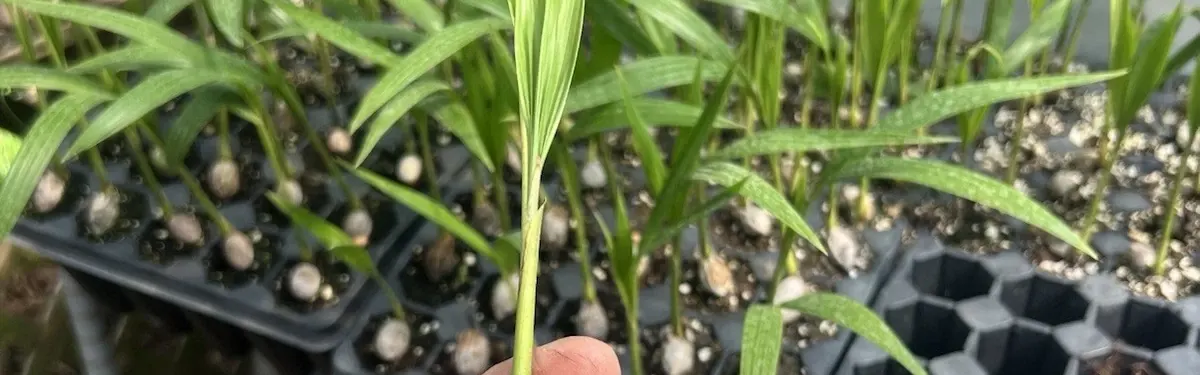
Adonidia Palms are primarily propagated from seed.
- Seed Collection: Collect ripe, bright red berries directly from the palm.
- Seed Preparation: Remove the outer fleshy pulp to expose the seed. Clean seeds thoroughly.
- Sowing: Plant seeds in a well-draining potting mix, burying them about half an inch deep. Keep the growing medium consistently moist and in a warm environment (ideally 80-90°F / 27-32°C).
- Germination: Germination can be slow and erratic, taking anywhere from 2-6 months or even longer. Be patient! Once a seedling emerges, provide bright, indirect light.
Common Problems & Solutions
While relatively robust, Adonidia Palms can encounter a few issues, particularly in our Florida environment.
- Nutrient Deficiencies: Yellowing fronds, especially older ones, often indicate a potassium or magnesium deficiency.
- Solution: Use a specialized palm fertilizer with micronutrients as directed. Do not over-fertilize, as this can burn the roots.
- Lethal Yellowing: This is a devastating disease caused by a phytoplasma that affects many palm species. Symptoms include premature nut drop, blackening flower stalks, and yellowing of younger leaves progressing to older leaves.
- Solution: There is no cure once infected. Prevention is key. In areas where lethal yellowing is prevalent, prophylactic trunk injections of oxytetracycline HCl (OTC) can be administered every 3-4 months by a certified arborist to protect palms.
- Cold Damage: Browning or blackening of fronds after a cold snap.
- Solution: Protect palms during freezes (see Winter Care). Trim off only completely dead, brown fronds after the threat of cold has passed. New growth will eventually emerge if the terminal bud was not damaged.
- Ganoderma Butt Rot: A fungal disease characterized by a conk (mushroom-like growth) appearing on the lower trunk. It causes internal decay and can lead to the palm's collapse.
- Solution: There is no cure. Remove infected palms to prevent the spread of spores.
Why Grow This Plant?
The Adonidia Palm is a truly exceptional choice for Florida landscapers and homeowners. Its moderate size makes it versatile for a variety of garden designs, from stately entryway accents to vibrant poolside companions. The self-cleaning nature of its fronds means less yard work for you, a definite bonus in our busy lives. Moreover, the brilliant red berry clusters that emerge around the holidays provide natural seasonal cheer, living up to its "Christmas Palm" moniker. It's relatively low-maintenance, tolerant of our sandy soils, and brings an undeniable touch of tropical paradise right to your doorstep. For a beautiful, adaptable, and genuinely festive palm, the Adonidia is a clear winner!