Imagine a plant that brings instant resort-style elegance to your South Florida landscape, whether as a statuesque specimen or a lush container feature. The Chinese Fan Palm, with its gracefully arching, deeply segmented leaves, is exactly that – a resilient and captivating addition that thrives in our tropical climate. Its stately presence and relatively easy care make it a favorite among local gardeners looking to infuse their yards with exotic charm.
Overview
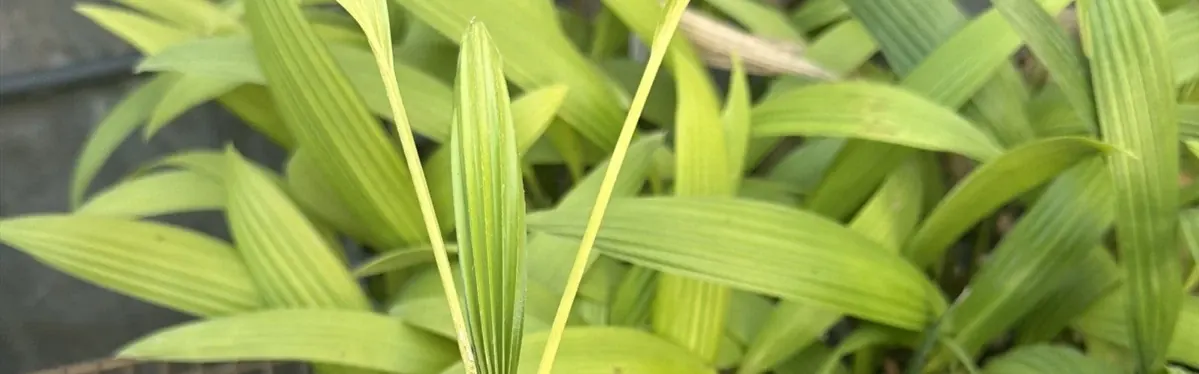
The Chinese Fan Palm (Livistona chinensis) is a slow-growing to medium-sized fan palm native to the subtropical regions of eastern Asia. It's renowned for its large, glossy green, palmate leaves that can reach impressive diameters, sometimes up to 6 feet, developing distinctive drooping tips as they mature. This characteristic "fountain-like" appearance gives it a unique and elegant silhouette, making it a popular choice for accent planting, hedging, or as a striking focal point in both residential and commercial landscapes. Though slow to establish, its long lifespan and robust nature make it a worthy long-term investment for your garden.
- Botanical Name: Livistona chinensis
- Common Names: Chinese Fan Palm, Fountain Palm
- Plant Type: Palm
- Mature Size: Typically 15-30 feet tall, with a spread of 10-15 feet. Can reach up to 50 feet in ideal conditions, but this is rare in cultivation.
- Growth Rate: Slow to moderate
- Lifespan: Long-lived, often decades.
- Native Area: Eastern Asia (China, Ryukyu Islands, Taiwan)
- Flowers: Small, creamy-yellow, borne on long inflorescences that emerge from the leaf axils. Relatively inconspicuous.
- Fruit: Small, oval, blue-black drupes, attractive to birds, but not typically a significant ornamental feature.
- Toxicity: Non-toxic to humans and pets.
Growing Conditions
The key to a thriving Chinese Fan Palm in South Florida lies in understanding its preferred environmental conditions.
- Light: While adaptable, the Chinese Fan Palm truly shines in full sun to partial shade. In South Florida's intense summer sun, some afternoon shade can be beneficial, especially for younger plants, to prevent leaf scorch. Established palms can tolerate full sun with adequate water.
- Soil: This palm is not overly particular about soil type but performs best in well-draining soil that is rich in organic matter. It tolerates a range of pH levels, from slightly acidic to slightly alkaline. Good drainage is crucial to prevent root rot.
- Water: Needs regular watering when young to establish a strong root system. Once established, it is moderately drought-tolerant but will look its best with consistent moisture, especially during dry spells. In South Florida, allow the top few inches of soil to dry out between waterings. Avoid perpetually soggy conditions.
- Temperature: Highly tolerant of South Florida’s warm climate. It is cold hardy down to USDA Zone 9A (around 20-25°F), making it suitable for all of South Florida and much of Central Florida. Very young palms may benefit from protection during unseasonably cold snaps.
- USDA Zones: 9A-11. Perfectly suited for sunny South Florida landscapes.
Care & Maintenance
Caring for your Chinese Fan Palm is relatively straightforward, making it a great option for both experienced and novice gardeners.
- Fertilization: In Florida's nutrient-poor sandy soils, regular fertilization is important. Use a quality palm-specific fertilizer (with a good micronutrient package including magnesium and potassium) 2-3 times per year, typically in spring, summer, and fall. Follow product instructions for dosage, spreading it evenly around the drip line.
- Pruning: Low-maintenance in terms of pruning. Only remove fronds that are completely yellow, brown, or dead. Avoid removing fronds that are still partially green, as the palm reabsorbs nutrients from them. The persistent fibrous boots remaining on the trunk after frond senescence can be left for a more natural look or carefully removed for a cleaner appearance, though this is not strictly necessary. Remove any flower stalks once flowering has finished if you prefer a tidier look.
- Pest Control: Generally pest-resistant.
- Disease Prevention: Good cultural practices (proper watering, adequate fertilization, good air circulation) are the best disease prevention.
Propagation Tips
Propagating Chinese Fan Palms is primarily done through seeds.
- From Seeds: Collect ripe blue-black fruit. Remove the fleshy outer layer (which can inhibit germination) and clean the seeds. Plant fresh seeds in a well-draining seed-starting mix, just barely covering them. Keep the soil consistently moist and warm (optimally 85-95°F). Germination can be slow and erratic, taking anywhere from a few weeks to several months. Patience is key!
Common Problems & Solutions
While robust, Chinese Fan Palms can encounter a few issues, particularly related to nutrient deficiencies and environmental stress.
- Yellowing Fronds: Often indicative of a potassium (K) deficiency, a common issue in Florida soils.
- Solution: Apply a palm-specific fertilizer with a high potassium content (e.g., 8-2-12 + micronutrients).
- Frizzle Top (Fronds emerging stunted and yellow/brown): A sign of manganese (Mn) deficiency, often seen in alkaline soils.
- Solution: Apply Manganese Sulfate directly to the soil around the palm.
- Slow Growth/Weak Appearance: Could be general nutrient deficiency or insufficient watering, especially in newly planted specimens.
- Solution: Ensure consistent watering and regular fertilization with a balanced palm fertilizer.
- Root Rot: Indicated by general wilting, yellowing, and eventual decline, usually in overly wet conditions.
- Solution: Ensure excellent drainage. If planted in a heavy soil, amend with organic matter and consider raising the planting bed. Reduce watering frequency.
Why Grow This Plant?
The Chinese Fan Palm offers a magnificent combination of beauty, resilience, and tropical flair, making it an outstanding choice for South Florida landscapes. Its unique fan-shaped, drooping fronds provide a distinct architectural element, creating dappled shade and a sense of serenity. It's a low-maintenance palm, tolerant of a range of conditions once established, and generally free of serious pest or disease issues. Whether you're aiming for a lush, resort-like feel, a privacy screen, or a grand specimen plant to anchor your garden, the Chinese Fan Palm delivers enduring elegance and a true taste of the tropics. Its adaptability to containers also makes it a versatile choice for patios and lanais.