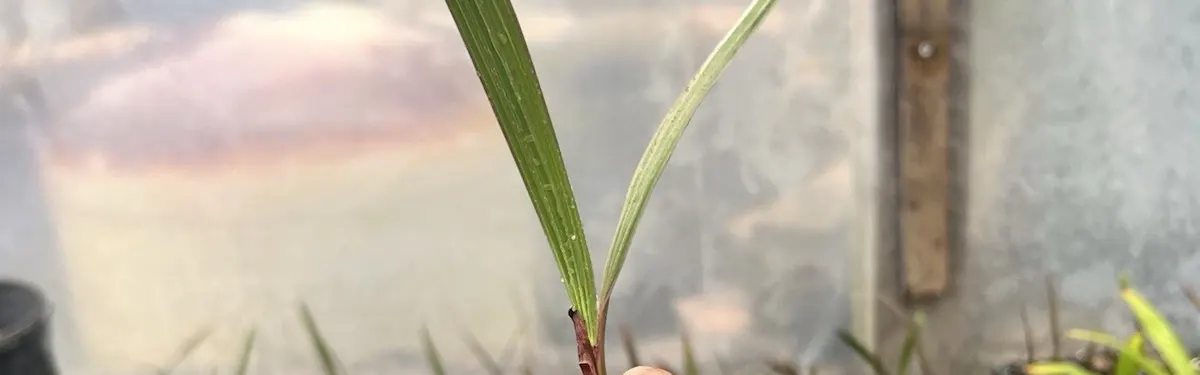
Looking for a majestic palm that brings the tropics to your Florida landscape without becoming a behemoth? Look no further than the Ribbon Palm, also known as the Fountain Palm. This elegant beauty is a fantastic choice for adding a touch of sophisticated charm and lush greenery to any South Florida garden.
Overview
The Ribbon Palm (scientific name: Livistona decora, formerly Livistona decipiens) is a stately, single-trunked fan palm native to Queensland, Australia. Renowned for its gracefully arching, deeply segmented leaves, which appear to cascade like a lush green fountain, it's a truly eye-catching specimen. Despite its exotic heritage, it adapts wonderfully to the South Florida climate, offering robust growth and impressive ornamental value.
- Type: Single-trunked fan palm
- Mature Height: 20-50 feet (can be smaller in containers)
- Mature Spread: 8-15 feet
- Growth Rate: Medium to Fast
- Foliage: Evergreen, deeply segmented, fan-shaped (costapalmate)
- Trunk: Solitary, slender, gray-brown, often with persistent leaf bases when young, becoming smooth with age.
- Flowers: Small, creamy-white, appearing on long inflorescences that extend past the foliage.
- Fruit: Small, black, spherical, non-edible berries.
- Pest Resistance: Generally good.
- Drought Tolerance: Moderate once established.
- Salt Tolerance: Moderate.
Growing Conditions
The Ribbon Palm thrives in the warm, humid conditions prevalent in South Florida. Providing the right environment will ensure a healthy, vibrant specimen that becomes a focal point in your garden.
- Light: Prefers full sun to partial shade. In South Florida, it can handle full sun very well, but some afternoon shade can be beneficial during the hottest summer months, especially for younger plants.
- Soil: Adaptable to a wide range of soils, but performs best in well-draining, fertile soil. It tolerates sandy and clayey soils provided there is good drainage. An ideal pH is slightly acidic to neutral.
- Water: Regular watering is essential during its establishment phase (first 1-2 years). Once established, it is moderately drought-tolerant but will look its best with consistent moisture. Avoid waterlogging. During prolonged dry spells, supplemental watering will be beneficial.
- Temperature: Thrives in tropical and subtropical climates. It is relatively cold-hardy for a Livistona, tolerating brief dips to around 25-28°F (-4 to -2°C) once mature, though prolonged cold can cause damage. Young palms are more susceptible to cold.
- USDA Zones: 9B-11. It's perfectly suited for South Florida's Zone 10 and 11.
Care & Maintenance
Ribbon Palms are relatively low-maintenance once established, making them an excellent choice for busy homeowners.
- Fertilization: Fertilize 2-3 times per year (spring, summer, fall) with a good quality slow-release palm fertilizer that contains micronutrients, especially magnesium and potassium, which are crucial for preventing deficiencies in Florida soils. Follow the product's instructions for application rates.
- Pruning: Only prune brown, dead, or severely damaged fronds. Over-pruning (removing green fronds) can weaken the palm and stunt its growth. The natural "skirt" of old fronds can be attractive, but they can be removed for a tidier look or if they pose a fire hazard.
- Mulching: Apply a 2-4 inch layer of organic mulch around the base of the palm, keeping it a few inches away from the trunk. Mulch helps retain soil moisture, regulate soil temperature, and suppresses weeds.
Propagation Tips
Ribbon Palms are typically propagated by seed.
- Seed Germination: Collect ripe, black fruits. Clean the pulp off the seeds thoroughly.
- Sowing: Plant seeds in a well-draining potting mix, just barely covered.
- Conditions: Provide consistent warmth (around 80-90°F / 27-32°C) and high humidity. A heating mat can be very helpful.
- Germination Time: Germination can be erratic and slow, ranging from a few weeks to several months. Be patient!
- Transplanting: Once seedlings have a few leaves, they can be carefully transplanted into individual pots.
Common Problems & Solutions
While generally robust, Ribbon Palms can occasionally face issues, especially in less-than-ideal conditions.
- Nutrient Deficiencies:
- Yellowing Fronds (older fronds): Often a sign of potassium deficiency. Use a specialized palm fertilizer with a high potassium content (e.g., 8-2-12 + micronutrients).
- Frizzle Top (new fronds are stunted, yellow, or distorted): Indicates manganese deficiency. Apply manganese sulfate to the soil.
- Overall Pale Green or Yellowing: Could be nitrogen deficiency. Ensure your fertilizer has adequate nitrogen.
- Solution: Preventative fertilization with a complete palm fertilizer is the best defense. Treat specific deficiencies as they appear.
- Pests: Generally pest-resistant. Occasionally, mealybugs or scale might appear on younger plants or in stressed conditions.
- Solution: For minor infestations, wipe with a damp cloth or spray with insecticidal soap. For severe cases, consider horticultural oil.
- Cold Damage: While moderately cold-hardy, prolonged freezes can damage fronds or even kill young palms.
- Solution: For young palms in Zone 9B or colder areas of 10A, protect by covering with a blanket or frost cloth when freezes are predicted. Ensure good drainage to prevent root rot during cold, wet spells.
- Root Rot: Caused by consistently waterlogged soil.
- Solution: Ensure excellent drainage at planting. Only water when the top few inches of soil are dry.
Why Grow This Plant?
The Ribbon Palm is an exceptional choice for any South Florida landscape seeking a touch of elegance and tropical flair. Its unique, cascading fronds create a stunning architectural statement, making it an ideal specimen tree. It’s also surprisingly adaptable, tolerating various soil types and moderate drought once established, which is a big plus in our climate. Whether you’re looking for a dramatic accent for your garden, a graceful addition to a poolside area, or a beautiful street tree that provides light shade, the Ribbon Palm delivers with its beauty and relatively easy care. Plus, its moderate size means it won't overwhelm smaller residential lots, unlike some of its more massive palm relatives.