Few palms evoke the feeling of a sun-drenched, tropical paradise quite like the Queen Palm. With its gracefully arching fronds and stately presence, Syagrus romanzoffiana is a South Florida landscape staple that brings elegance and a touch of the exotic to any garden. Its popularity is well-deserved, offering beauty and relatively easy care for our subtropical climate.
Overview
A magnificent feather palm native to South America, the Queen Palm is celebrated for its rapid growth and majestic, slender trunk. It's a favorite choice for adding vertical interest and creating that classic resort-style aesthetic in USDA Zones 9-11.
- Botanical Name: Syagrus romanzoffiana (formerly Arecastrum romanzoffianum)
- Common Names: Queen Palm, Cocos Palm, Pindo Palm (though Pindo more accurately refers to Butia capitata)
- Plant Type: Palm tree
- Mature Size: 25-50 feet tall, 10-20 feet wide canopy
- Growth Rate: Fast (can grow 3-6 feet per year in ideal conditions)
- Lifespan: 50-100 years
- Bearing Age: Can take 5-10 years to produce fruit
- Flowering Season: Spring to summer
- Flower Color: Creamy white to yellow inflorescence
- Fruit: Small, round to oval, orange-yellow drupes (not edible for humans, but attractive to wildlife)
- Foliage: Pinnate (feather-like), arching, dark green fronds, 10-15 feet long
- Stems/Trunks: Single, smooth, slender trunk, often with rings from old leaf scars
Growing Conditions
The Queen Palm thrives in the balmy conditions of South Florida, but proper siting and soil preparation are key to its success.
- Light: Full sun is ideal for robust growth, meaning at least 6 hours of direct sunlight per day. It can tolerate partial shade, but growth may be slower and less dense.
- Soil: Adaptable to a variety of soil types, but prefers well-draining, sandy loam with a slightly acidic to neutral pH (6.0-7.0). Good drainage is crucial to prevent root rot. If your soil is heavy clay, amend it generously with organic matter like compost and sand to improve drainage.
- Water: Young palms require consistent moisture to establish, especially during dry spells. Water deeply 2-3 times per week for the first year. Mature Queen Palms are moderately drought-tolerant once established but will perform best with regular irrigation, especially during prolonged dry periods. Aim for deep watering that encourages root development.
- Temperature: Highly tolerant of heat and humidity, perfectly suited for Florida's climate. They are moderately cold-hardy, tolerating brief dips to about 20-25°F (-6 to -4°C) but can sustain frond damage or even death in prolonged freezes.
- USDA Zones: 9-11. In South Florida (Zones 10-11), they flourish without issue. In Zone 9, protection during severe cold snaps might be beneficial for younger plants.
Care & Maintenance
Queen Palms are relatively low-maintenance once established, but a few routine tasks will keep them looking their best.
- Fertilization: These palms are heavy feeders, particularly for potassium and manganese, common deficiencies in Florida soils. A slow-release granular palm-specific fertilizer (e.g., an 8-2-12-4Mg with micronutrients) applied 3-4 times a year (spring, summer, early fall) is recommended. Follow package instructions carefully to avoid over-fertilization.
- Pruning: Only prune fronds that are completely brown and dead. Avoid removing fronds that are still yellow or partially green, as the palm reabsorbs nutrients from these leaves. Improper pruning can stress the palm and make it more susceptible to nutrient deficiencies and disease (e.g., lethal yellowing). Removing green fronds also creates an entry point for pests. Use sterilized pruning tools.
- Pest and Disease Control: Generally quite resilient. Watch out for ganoderma butt rot (a lethal fungal disease) which causes the base of the trunk to rot, and Fusarium wilt. There is no cure for these, so prevention is key through proper siting and care. Occasional problems with scale insects or mealybugs can be treated with horticultural oil.
- Support: Young palms, especially newly planted ones, may benefit from staking for the first 6-12 months to help them establish a strong root system and prevent wind rock. Use broad, flexible ties that won't girdle the trunk.
Propagation Tips
Queen Palms are typically propagated from seeds.
- Seed Collection: Collect fresh, ripe orange-yellow fruits. Clean the pulp off the seeds thoroughly.
- Preparation: Soak seeds in warm water for 24-48 hours, changing the water once. This helps soften the seed coat and encourages germination.
- Sowing: Plant seeds in a well-draining potting mix (e.g., a mix of peat, sand, and perlite) about 1 inch deep.
- Conditions: Maintain a warm, consistently moist environment (around 85-95°F or 29-35°C). A heat mat can be very helpful.
- Germination: Germination can be slow and erratic, taking anywhere from 2-6 months or even longer. Be patient!
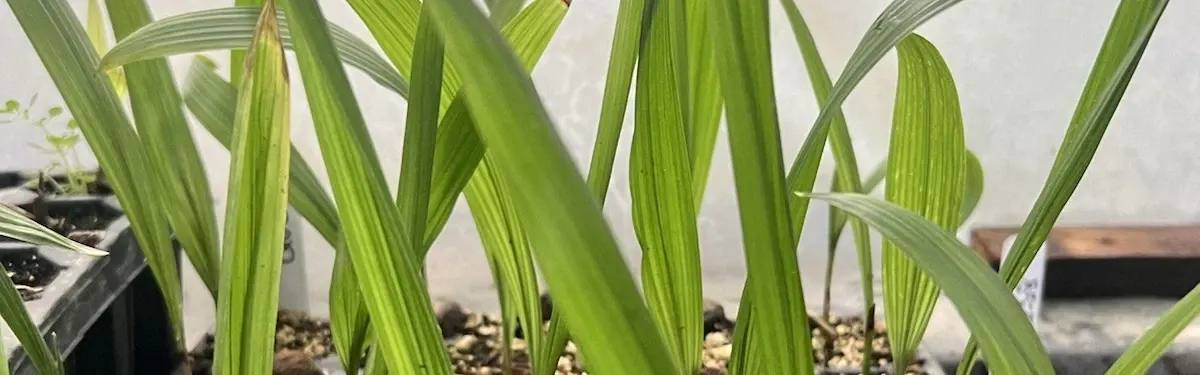
- Transplanting: Once seedlings have developed a few true leaves and a strong root system, they can be carefully transplanted into larger pots and eventually into the ground.
Common Problems & Solutions
- Yellowing Fronds: Often indicative of potassium (K) or manganese (Mn) deficiency. Apply a palm-specific fertilizer with micronutrients. Ensure proper soil pH.
- Frizzle Top: Characterized by stunted, curled, or "frizzled" new growth, typically caused by manganese deficiency. This is critical to address quickly, as severe cases can be fatal. Apply manganese sulfate to the soil.
- Nutrient Deficiencies: Common in sandy Florida soils. Regular application of a balanced palm fertilizer is crucial. Symptoms vary but often include discolored fronds, stunted growth, or poor fruit production.
- Lethal Yellowing: While Queen Palms are somewhat resistant compared to Coconut Palms, they can occasionally be affected. This phytoplasma disease is spread by planthoppers and is usually fatal. Prevention through resistant varieties (not applicable here) and proper care is the best defense.
- Root Rot: Caused by overwatering or poorly draining soil. Ensure good drainage and allow the soil to dry slightly between waterings.
Why Grow This Plant?
For those in South Florida looking to create an instant tropical ambiance, the Queen Palm is an unparalleled choice. Its rapid growth rate means you won't wait long to enjoy its full majesty. The graceful, feathery fronds sway beautifully in the breeze, casting dappled shade and creating a serene atmosphere. It’s perfect as a specimen tree, in groups to line a driveway, or around pools. While it needs consistent feeding, its overall ease of care and stunning visual impact make it a beloved and highly recommended addition to our Florida landscapes. Just remember to give it enough space to truly shine!