Looking to add a touch of authentic Florida charm to your landscape? The Cabbage Palm, or Sabal palmetto, is more than just our state tree; it's a versatile and resilient native that embodies the spirit of the Sunshine State. With its iconic fan-shaped fronds and sturdy trunk, it’s a foundational element in many Florida gardens, offering both beauty and ecological benefits.
Overview
The Cabbage Palm (scientific name: Sabal palmetto) is a slow-growing, evergreen palm native to the southeastern United States, Cuba, and the Bahamas. It's renowned for its robust nature and adaptability, making it a popular choice for both residential and commercial landscapes throughout Florida. Its common name comes from the edible "heart of palm" or "cabbage" that can be harvested from its crown, though this practice usually kills the tree.
- Scientific Name: Sabal palmetto
- Common Name: Cabbage Palm, Palmetto, Sabal Palm
- Plant Type: Palm tree
- Mature Size: 20-60 feet tall, 10-15 feet wide (frond spread)
- Growth Rate: Slow to moderate (can take many years to form a trunk)
- Lifespan: Very long-lived, often exceeding 100 years
- Foliage: Evergreen, large costapalmate (fan-shaped but with a distinct midrib) fronds
- Flower Color: Creamy white
- Fruit: Small, black, spherical drupes
- Native Range: Southeastern U.S. (Florida, Georgia, South Carolina, North Carolina), Cuba, Bahamas
Growing Conditions
The Cabbage Palm thrives in a wide array of conditions, making it an excellent choice for Florida gardeners.
- Light: Full sun to partial shade. While it tolerates some shade, best growth and fruiting occur in full sun (at least 6 hours of direct sunlight per day).
- Soil: Highly adaptable, it grows well in a variety of soils including sandy, loamy, and even clay. It prefers well-draining soil but can tolerate occasional wet feet. It is also highly tolerant of saline soils and coastal conditions, making it ideal for beachfront properties.
- Water: Drought-tolerant once established. While young palms appreciate regular watering, mature Cabbage Palms generally only need supplemental irrigation during prolonged dry spells. Overwatering can be detrimental.
- Temperature: Highly tolerant of both heat and sporadic cold.
- USDA Zones: 8b-11. This means it's perfectly suited for all of Florida, from the panhandle to the Keys.
Care & Maintenance
Cabbage Palms are wonderfully low-maintenance trees, especially once established.
- Fertilization: While not strictly necessary for established palms in good soil, a balanced palm fertilizer (specifically formulated for palms, often with a ratio like 8-2-12 + micronutrients) can be applied 2-3 times a year during the growing season (spring through fall) to enhance growth and vigor. Avoid fertilizers high in nitrogen, which can lead to deficiencies in other essential nutrients for palms.
- Pruning: "Hugging" (removing brown, dead fronds close to the trunk) is generally done for aesthetic purposes or to prevent fire hazards. Avoid removing green or yellowing fronds unless they are completely dead or diseased, as these fronds are still contributing nutrients back to the palm. Improper pruning (removing too many green fronds) can stunt growth and weaken the palm. The "boot jacks" (remnants of old frond bases) that naturally cover the trunk can be left on for a rustic look or removed for a smoother, cleaned-up appearance, depending on preference.
- Transplanting: Larger specimens are frequently transplanted. When moving a Cabbage Palm, some roots are inevitably lost, so it's crucial to remove about two-thirds of the fronds at the time of transplanting. This reduces water loss through transpiration and helps the palm focus its energy on root establishment (the "hurricane cut"). Regular watering is essential for newly transplanted palms until they establish.
Propagation Tips
Cabbage Palms are primarily propagated by seed.
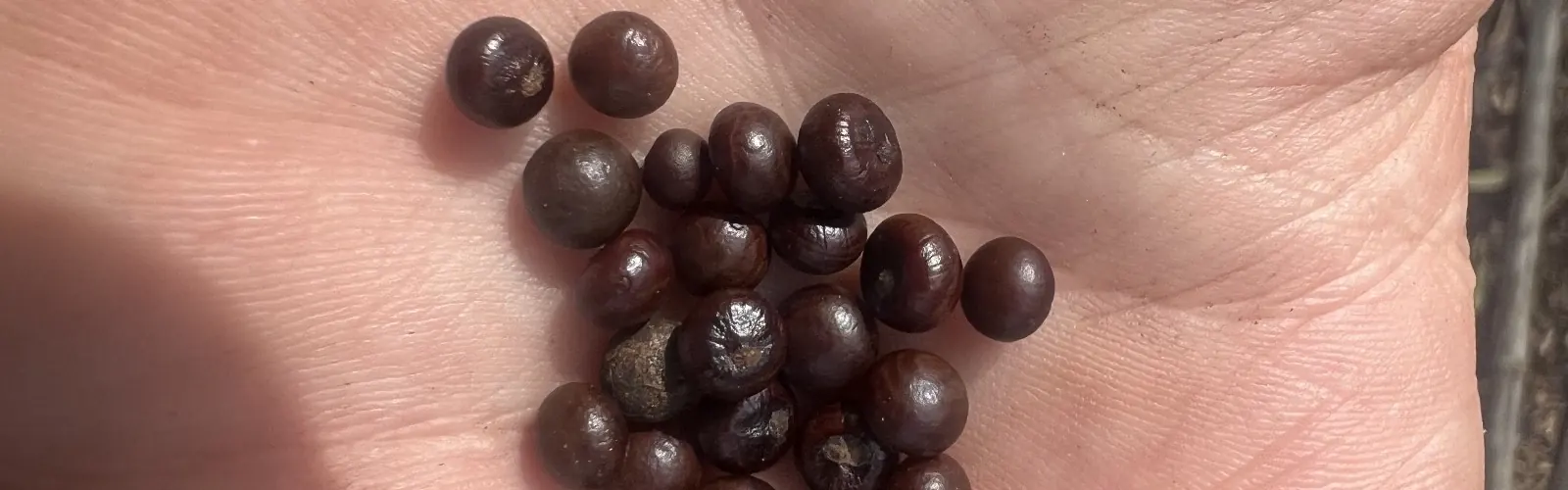
- Seed Collection: Collect the small, black fruits when they are ripe and soft. Clean the pulp off the seeds.
- Scarification/Soaking: While not always necessary, lightly scarifying the hard seed coat or soaking seeds in warm water for 24-48 hours can improve germination rates.
- Planting: Plant seeds in a well-draining potting mix, just barely covered. Keep the soil consistently moist and warm (ideally 75-85°F/24-29°C). Germination can be slow and erratic, ranging from a few months to over a year. Patience is key!
- Transplanting Seedlings: Once seedlings have developed a few true leaves, they can be carefully transplanted into individual pots.
Common Problems & Solutions
Cabbage Palms are incredibly tough, but a few issues can arise.
- Lethal Bronzing Disease (LBD): This is a serious, fatal phytoplasma disease spread by an insect vector. Symptoms include rapid browning of lower fronds progressing upwards, discolored spears that may eventually rot, and premature fruit drop.
- Solution: There is no cure once infected. Prompt removal of infected palms is recommended to prevent spread. Prophylactic injections of antibiotics can offer some protection to healthy palms in high-risk areas. Consult with a certified arborist for diagnosis and treatment options.
- Potassium Deficiency: Symptoms include frizzling or necrosis (dead tissue) on the oldest fronds, often appearing as yellowish-orange spots or streaking.
- Solution: Apply a good quality palm fertilizer with a high potassium content (often indicated by the third number in the NPK ratio, e.g., 8-2-12). Ensure the fertilizer also contains essential micronutrients.
- Ganoderma Butt Rot: A fatal fungal disease that causes a conk (mushroom-like growth) to form on the lower trunk. It rots the internal tissue, making the palm structurally unsound.
- Solution: No cure. Remove infected palms immediately, as they pose a significant safety risk. Avoid planting new palms in the same spot where an infected palm was removed, as spores can remain in the soil.
Why Grow This Plant?
Choosing the Cabbage Palm for your Florida landscape offers a multitude of benefits. It's a true symbol of Florida, instantly evoking a sense of place. Its exceptional salt tolerance makes it perfect for coastal properties where other plants struggle, and its drought tolerance means less worry about watering once established. Beyond its aesthetic appeal, it provides habitat and food for native wildlife, with its white flowers attracting pollinators and its black fruits a favorite of birds. For a low-maintenance, iconic, and ecologically beneficial tree that can withstand the diverse rigors of the Florida climate, the Cabbage Palm is an unparalleled choice. It's an investment in the authentic beauty and resilience of your Florida home.