With its stunning feathery fronds and a clean, self-cleaning trunk, the Foxtail Palm truly stands out in any tropical landscape. Originally discovered in a remote region of Australia, this elegant palm has quickly become a beloved staple in South Florida gardens, offering a touch of serene beauty with minimal fuss. Its unique appearance and robust nature make it an ideal choice for both seasoned gardeners and those just starting their green journey.
Overview
The Foxtail Palm (scientific name Wodyetia bifurcata) is a medium-sized, fast-growing palm known for its distinctive bushy, "foxtail-like" fronds. Each frond is densely packed with leaflets that radiate around the stem, creating a lush, plume-like appearance. This palm is naturally solitary but often planted in groups of two or three for a fuller, more dramatic effect.
- Scientific Name: Wodyetia bifurcata
- Common Name: Foxtail Palm
- Family: Arecaceae
- Origin: Queensland, Australia
- Mature Height: 20-30 feet (6-9 meters)
- Mature Spread: 10-15 feet (3-4.5 meters)
- Growth Rate: Fast
- Lifespan: 50-70 years
- Tolerance: Drought, salt (moderate), wind
- Features: Self-cleaning trunk, decorative orange-red fruit
Growing Conditions
Light
Foxtail Palms thrive in full sun conditions, meaning at least 6 hours of direct sunlight per day. While they can tolerate partial shade, their growth may be slower, and the fronds might appear less dense and vibrant. For optimal health and that characteristic lush look, position them where they can soak up the Florida sunshine.
Soil
These palms are adaptable to a range of soils but prefer well-draining sandy or loamy soils that are slightly acidic to neutral (pH 6.0-7.5). In South Florida, our native sandy soils are generally suitable. Amend heavy clay soils with organic matter to improve drainage and aeration. Ensure the planting site doesn't retain standing water, as this can lead to root rot.
Water
Once established, Foxtail Palms are remarkably drought-tolerant, making them an excellent choice for water-wise Florida landscapes. During their first year after planting, regular watering (2-3 times per week) is crucial to establish a strong root system. After that, water deeply during prolonged dry spells. Overwatering, especially in poorly draining soil, is a common issue and should be avoided.
Temperature
As a true tropical palm, the Foxtail Palm flourishes in warm temperatures. It is hardy in USDA Zones 10B-11. In South Florida, these palms rarely face cold stress. While established plants can tolerate brief dips to 20-25°F (-6 to -4°C) with some frond damage, prolonged freezes can be fatal. Young palms are more susceptible to cold and may require protection if an unusual cold snap is predicted.
USDA Zones
USDA Hardiness Zones 10B-11. This encompasses most of Central and South Florida.
Care & Maintenance
Fertilization
Regular fertilization is key to a healthy and vibrant Foxtail Palm. Use a high-quality granular palm fertilizer specifically formulated for tropical palms (e.g., 8-2-12 or similar with micronutrients like magnesium, manganese, and potassium) 3-4 times a year, ideally in spring, summer, and fall. Spread the fertilizer evenly around the base of the palm, extending to the drip line, and water it in thoroughly. Avoid piling fertilizer directly against the trunk.
Pruning
One of the most appealing features of the Foxtail Palm is its self-cleaning nature. Old fronds naturally turn yellow-brown and fall off cleanly, leaving a smooth, attractive trunk. This means minimal pruning is required, usually just removing any damaged or diseased fronds as needed. Avoid prematurely removing green fronds, as they are still providing nutrients to the palm.
Pest and Disease Management
Foxtail Palms are generally robust and resistant to most serious pests and diseases. Occasionally, they may encounter common Florida palm issues like nutrient deficiencies (manifesting as yellowing or browning fronds), ganoderma butt rot (a fungal disease that causes decay at the base of the trunk), or pink rot (a fungal disease affecting petioles and spear leaf). Ensuring proper growing conditions, good air circulation, and timely fertilization can prevent most problems. If signs of disease appear, consult with a local extension office or certified arborist for diagnosis and treatment.
Propagation Tips
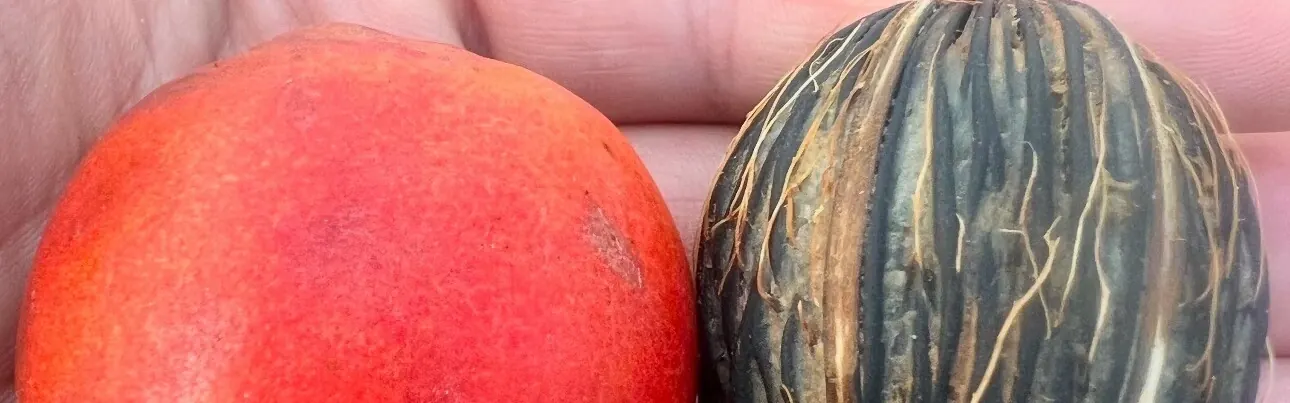
Propagation of Foxtail Palms is typically done from seed. The bright orange-red fruits contain a single large seed. After harvesting, clean the seeds thoroughly to remove any fruit pulp, which can inhibit germination. Plant fresh seeds in a well-draining potting mix, burying them just below the surface. Keep the soil consistently moist and warm (ideally 85-95°F or 29-35°C) for several months. Germination can be erratic and slow, often taking 3-6 months, sometimes longer. Due to the lengthy and often challenging process, most gardeners opt to purchase established young palms.
Common Problems & Solutions
- Yellowing Fronds: Often indicates a nutrient deficiency (e.g., potassium, magnesium). Solution: Apply a balanced granular palm fertilizer rich in micronutrients.
- Stunted Growth or Pale Fronds in Shade: Not enough sunlight. Solution: Ensure the palm is planted in a location receiving full sun.
- Root Rot: Caused by overwatering or poor drainage. Solution: Improve soil drainage, reduce watering frequency. If severe, the palm may not recover.
- Cold Damage: Frond browning, especially on younger palms. Solution: Protect young palms during cold snaps with frost cloth. Established palms usually recover from minor damage.
- Fungal Spots: Less common but can occur in humid, poorly ventilated conditions. Solution: Improve air circulation and treat with a broad-spectrum fungicide if necessary.
Why Grow This Plant?
The Foxtail Palm is an unparalleled choice for any subtropical or tropical landscape, especially here in South Florida. Its elegant, symmetrical crown and unique "foxtail" leaves create a striking focal point, whether as a solitary specimen, in a cluster, or lining an entryway. It offers a consistently neat appearance with its self-cleaning trunk, drastically reducing maintenance effort. Moreover, its impressive drought and moderate salt tolerance make it a resilient option for coastal and urban environments alike. If you're seeking a fast-growing, low-maintenance, and truly stunning palm that screams "tropical paradise," the Foxtail Palm is undoubtedly your star performer.