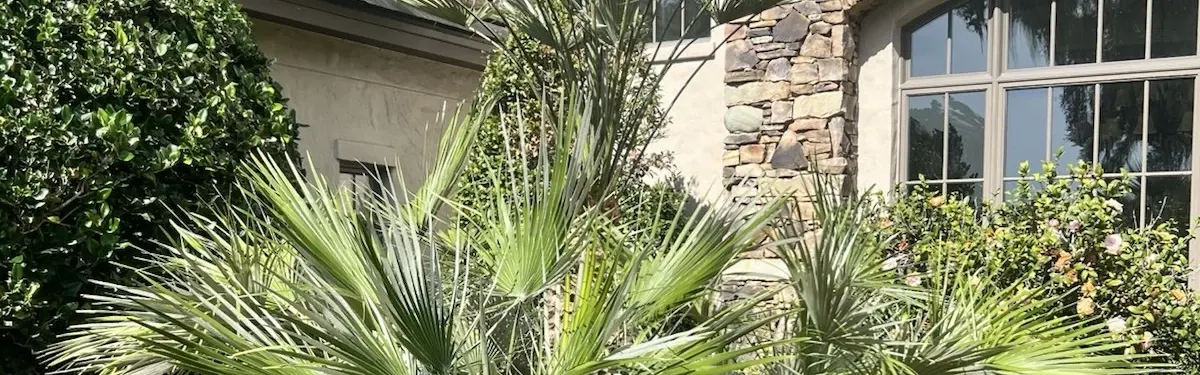
Ever dreamt of bringing a touch of the Mediterranean coast to your South Florida landscape? The Mediterranean Fan Palm, Chamaerops humilis, offers just that – a robust, strikingly beautiful palm perfect for adding architectural interest and a relaxed, sun-drenched vibe to your garden. Its adaptable nature and manageable size make it a fantastic choice for a variety of landscaping needs.
Overview
Chamaerops humilis, commonly known as the Mediterranean Fan Palm, is a captivating multi-trunked palm native to the Mediterranean basin. It's renowned for its compact growth habit, attractive fan-shaped leaves, and exceptional cold hardiness for a palm, making it a versatile choice. Unlike many towering palm species, it generally remains a more modest size, ideal for accent planting, containers, or even as a focal point in smaller gardens.
Key Facts: * Botanical Name: Chamaerops humilis * Common Names: Mediterranean Fan Palm, European Fan Palm, Dwarf Fan Palm * Plant Type: Palm tree * Mature Size: Typically 5-15 feet tall and wide; can reach up to 20 feet under ideal conditions over many years. * Growth Rate: Slow to moderate * Foliage: Evergreen, stiff, fan-shaped leaves (palmate), silvery-green to bluish-green * Flower Color: Small yellow flowers, often hidden within the crown * Fruit: Small, date-like brown or yellow fruit, usually not ornamental * Salt Tolerance: Moderate to high * Drought Tolerance: High once established
Growing Conditions
The Mediterranean Fan Palm is a true survivor, thriving in conditions that would challenge many other palms. Its adaptability is one of its most appealing traits for Florida gardeners.
- Light: Prefers full sun (6+ hours of direct sunlight daily) for optimal growth and a compact form. It can tolerate partial shade, but growth may be more leggy, and foliage color might be less vibrant. In South Florida's intense summer sun, some dappled afternoon shade can be beneficial, especially for younger plants.
- Soil: Highly adaptable to various soil types, but prefers well-draining soil. It tolerates sandy, loamy, or even slightly clayey soils, as long as they don't remain waterlogged. Amend heavy clay soils with organic matter to improve drainage. A slightly acidic to neutral pH (6.0-7.5) is ideal.
- Water: Drought-tolerant once established. Water regularly during its first year to help it get established. After that, irrigation can be reduced. In South Florida's dry seasons, occasional deep watering will keep it looking its best, but avoid overwatering, which can lead to root rot.
- Temperature: Exceptionally cold hardy for a palm, tolerating temperatures down to 10-15°F (-12 to -9°C) once mature. This makes it suitable for a wider range of Florida zones than many other tropical palms. It thrives in South Florida's warm, humid climate.
- USDA Zones: 8a-11. This wide range means it can be grown throughout much of Florida, from the northern panhandle to the southernmost Keys.
Care & Maintenance
- Fertilization: In South Florida, fertilize established Mediterranean Fan Palms 2-3 times a year (spring, summer, fall) with a slow-release palm-specific fertilizer that contains micronutrients, especially magnesium and potassium, to prevent deficiencies. Follow product instructions carefully.
- Pruning: Low maintenance when it comes to pruning. Remove only old, brown, or damaged fronds close to the trunk. Avoid over-pruning green fronds, as this can stress the palm and reduce its cold hardiness. You can also prune off suckers at the base if you desire a single-trunked look, but its multi-trunked nature is part of its charm.
- Pest and Disease: Generally resistant to most pests and diseases. Occasionally susceptible to spider mites in very dry conditions or scale insects, but these are rarely severe in a healthy plant. Good air circulation helps prevent issues.
- Trunk Care: The trunks are often covered in old leaf bases, which add to its rugged appearance. You can leave them on or carefully trim them off for a cleaner look.
Propagation Tips
Chamaerops humilis can be propagated from seeds or by dividing offsets (suckers) that emerge from the base of the plant.
- From Seed: Seeds require patience! They can take several months to germinate. Clean seeds thoroughly and soak them in warm water for 24-48 hours. Plant in a well-draining seed-starting mix and keep warm (around 70-80°F or 21-27°C) and consistently moist.
- From Offsets: This is the more reliable and faster method. Carefully dig around the base of a mature palm and sever a well-rooted offset (sucker) from the main plant using a sharp, clean spade or knife. Ensure the offset has some roots attached. Pot it in a well-draining mix and keep it consistently moist but not waterlogged until it establishes.
Common Problems & Solutions
- Yellowing Fronds: Often a sign of nutrient deficiency (especially potassium or magnesium). Apply a balanced palm fertilizer with micronutrients. It can also indicate overwatering or poor drainage.
- Root Rot: Caused by persistently wet soil. Ensure good drainage and avoid overwatering.
- Pest Infestations (Rare): If spider mites or scale appear, treat with horticultural oil or insecticidal soap as directed. Good general plant health is the best defense.
- Slow Growth: This palm is naturally slow-growing. Ensuring it receives adequate light, water, and nutrients will help it reach its potential, but don't expect rapid development.
Why Grow This Plant?
For South Florida gardeners, the Mediterranean Fan Palm is a prime choice for several compelling reasons:
- Drought and Salt Tolerance: Its ability to withstand dry periods and tolerate coastal conditions makes it a resilient option for our climate and often sandy, coastal soils.
- Compact Size: Unlike many large palms, its manageable height makes it versatile for smaller gardens, courtyards, or even as a striking container plant.
- Unique Aesthetic: Its multi-trunked habit and stiff, fan-shaped fronds lend a rugged, architectural beauty and a distinctive Mediterranean charm that stands out from typical Florida palms.
- Cold Hardiness: While South Florida doesn't often experience severe freezes, its exceptional cold tolerance means you won't have to worry about it during the occasional winter chill, offering peace of mind.
- Low Maintenance: Once established, it requires minimal care, making it ideal for busy gardeners or those looking for a high-impact, low-effort plant.
Embrace the rugged beauty and easy-going nature of the Mediterranean Fan Palm. It’s a plant that offers enduring elegance and a little piece of the Mediterranean right here in your Florida garden.