Growing tropical fruit at home is one of the most rewarding pursuits for any gardener in USDA zones 9–11. Whether you are starting with a rooted cutting, a fresh seed, or a young seedling, the path from propagation to your first harvest is surprisingly achievable — even in a suburban backyard or on a sunny patio.
At Demo Kotsonis Plants we have spent over 20 years growing tropical fruit from seed and cutting right here in coastal Florida. Our nursery specializes in hard-to-find starter plants that ship well and establish quickly: Nam Doc Mai mango, Surinam cherry, Hass avocado, loquat, passion fruit, LSU Purple fig, Pakistani mulberry, and Scarlet Beauty plum, among others. This pillar guide covers everything you need to know to get started.
Why Start Tropical Fruit From Cuttings or Seedlings?
Most tropical fruit trees sold in big-box stores are grafted specimens that cost $40–$80 or more. Starting from cuttings or young seedlings is more affordable and gives you the satisfaction of nurturing a plant from its earliest stage. Key benefits include:
- Cost savings — a rooted cutting or seedling typically costs a fraction of a grafted tree
- Genetic diversity — seed-grown trees develop their own root systems, often producing hardier plants
- Shipping resilience — small starter plants travel better than large grafted trees and recover faster from transit stress
- Variety access — rare cultivars like Scarlet Beauty plum or Pakistani mulberry are easier to find as cuttings than as finished trees
For a deeper look at cutting-based propagation, see our guide on Fruit Plants You Can Start From Cuttings. If you prefer seeds, check out Fruit Plants You Can Start From Seed.
Best Tropical Fruit Plants for Home Growers
Mango (Mangifera indica)
The Nam Doc Mai mango is our top seller for a reason: it is a compact, condo-friendly cultivar that fruits reliably in zones 10–11. Nam Doc Mai produces elongated, fiber-free fruit with an intensely sweet flavor. Young mango seedlings benefit from full sun and well-drained soil enriched with compost.
Surinam Cherry (Eugenia uniflora)
Surinam cherry is one of the easiest tropical fruiting shrubs you can grow. It tolerates sandy soil, salt spray, and periodic drought — making it perfect for coastal Florida. The ribbed, cherry-sized fruit ranges from orange to deep red and is excellent fresh or in jams.
Avocado (Persea americana)
We sell Hass avocado seeds that germinate in 4–8 weeks. While seed-grown avocados take longer to fruit than grafted trees (5–7 years vs. 3–4), they develop exceptionally strong root systems and can live for decades.
Loquat (Eriobotrya japonica)
Loquat is an underrated subtropical fruit tree that produces clusters of sweet, tangy fruit in late winter — when almost nothing else is fruiting. Our seedlings establish quickly and can begin bearing in 3–4 years.
Passion Fruit (Passiflora edulis)
The Purple Possum passion fruit vine is a vigorous grower that can fruit within its first year from a rooted cutting. It needs a sturdy trellis or fence and full sun. The aromatic fruit is perfect for juicing, baking, or eating fresh.
Fig (Ficus carica)
LSU Purple fig is a heat-tolerant cultivar developed at Louisiana State University specifically for the Gulf Coast. It thrives in Florida's heat and humidity where many other fig varieties struggle.
Mulberry (Morus species)
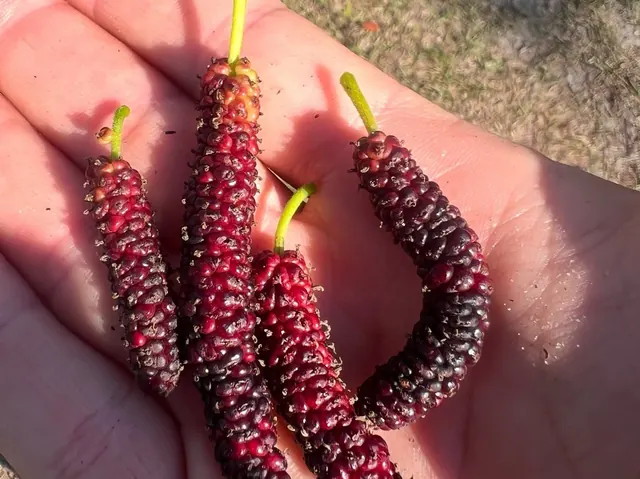
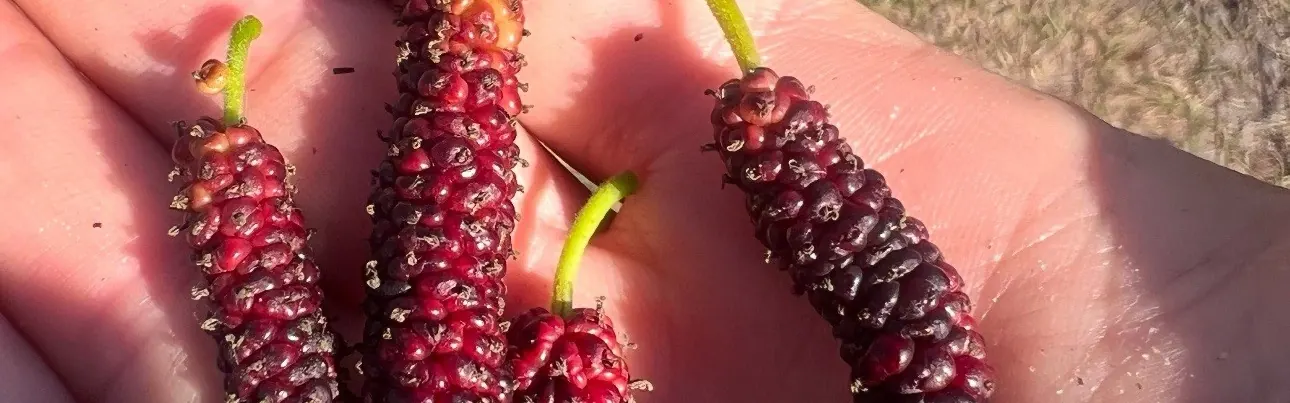
Pakistani mulberry produces exceptionally long, sweet fruit — often 3 inches or more. It grows vigorously from cuttings and can begin fruiting in its second year.
Scarlet Beauty Plum
Scarlet Beauty plum is a low-chill variety ideal for zones 9–10 where traditional stone fruits fail. It produces medium-sized, red-skinned fruit with sweet yellow flesh.
How to Establish Young Tropical Fruit Plants
Getting a starter plant from the box to thriving in your garden requires attention during the first 2–4 weeks. Our guide on How to Establish Young Tropical Fruit Plants covers the full process, but here are the essentials:
- Unpack immediately — remove packing material and inspect roots
- Hydrate — soak bare-root plants in room-temperature water for 1–2 hours
- Harden off — place in bright indirect light for 3–5 days before moving to full sun
- Plant at the right depth — the root flare should sit at soil level
- Water consistently — keep soil evenly moist (not waterlogged) for the first month
- Mulch — 2–3 inches of organic mulch retains moisture and suppresses weeds
For container growing tips, see Fruit Plants for Containers and Small Spaces.
Growing Tropical Fruit in Florida: What to Know
Florida's climate (zones 9b–11a) is ideal for most tropical fruit, but you still need to account for:
- Cold snaps — protect young plants when temperatures dip below 40°F
- Sandy soil — amend with compost and use slow-release fertilizer
- Humidity and fungal pressure — ensure good air circulation and avoid overhead watering
- Salt tolerance — coastal growers should choose species like Surinam cherry that handle salt spray
Read more in our dedicated guide: Best Fruiting Plants for Florida Growers.
Frequently Asked Questions
How long until a tropical fruit cutting produces fruit?
It depends on the species. Passion fruit vines can fruit within 6–12 months. Fig cuttings often produce in their second year. Mango seedlings typically take 5–7 years, though some precocious varieties may fruit sooner.
Can I grow tropical fruit in containers?
Yes. Many species do well in large containers (15–25 gallons), including fig, Surinam cherry, and dwarf mango varieties. Use a well-draining potting mix and fertilize regularly during the growing season.
What is the easiest tropical fruit to grow from a cutting?
Fig and mulberry are the easiest — both root readily from hardwood cuttings with minimal effort. Passion fruit vines also root quickly and grow aggressively once established.
Do I need two plants for pollination?
Most tropical fruit plants we sell are self-fertile, including fig, Surinam cherry, loquat, and passion fruit. Mango trees are also largely self-pollinating, though cross-pollination can improve fruit set.
When is the best time to plant tropical fruit in Florida?
Spring (March–May) is ideal, giving plants the entire warm season to establish roots before winter. Avoid planting during the peak of summer heat (July–August) when transplant stress is highest.
Start Growing Your Own Tropical Fruit
Browse our full collection of tropical fruit starter plants and tropical seeds to find the perfect addition to your garden. Every plant ships from our Florida nursery with care instructions and our healthy-arrival guarantee.