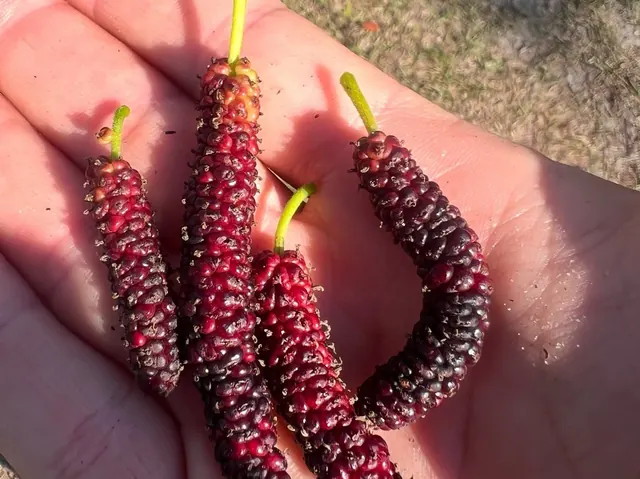
Imagine biting into a juicy, sweet, and slightly tart plum grown right in your own South Florida backyard! The 'Scarlet Beauty' Plum (a cultivar of Prunus salicina) makes this dream a delicious reality, offering a taste of temperate fruit even in our subtropical climate. This exceptional Japanese plum cultivar is a true gem for Florida gardeners, known for its reliable fruiting and delectable harvest.
Overview
- Botanical Name: Prunus salicina 'Scarlet Beauty'
- Common Name: Scarlet Beauty Plum
- Plant Type: Deciduous Fruit Tree
- Mature Size: 10-15 feet tall and wide
- Fruit Color: Bright red skin, amber-yellow flesh
- Fruit Season: Late May to early June in South Florida
- Pollination: Self-fertile (produces fruit on its own)
- Chill Hours: Very low; typically 150-200 hours, making it ideal for Florida.
Growing Conditions
- Light: Full sun (at least 6-8 hours of direct sunlight per day is crucial for fruit production). In South Florida, west-facing exposure can be intense; consider morning sun with some afternoon shade for very young trees, though mature trees thrive in full sun.
- Soil: Well-draining, fertile, sandy loam is ideal. Plums are somewhat adaptable but dislike heavy, waterlogged clay. Amend poor soils with compost before planting to improve drainage and nutrient content. A slightly acidic to neutral pH (6.0-7.0) is preferred.
- Water: Regular and consistent watering is key, especially during flowering, fruit development, and dry spells. Young trees need frequent watering to establish. Mature trees require deep watering once or twice a week during dry periods. Avoid overhead irrigation to minimize fungal issues.
- Temperature: Thrives in warm subtropical climates. Its low chill hour requirement (150-200 hours below 45°F) is perfectly suited for South Florida winters, allowing for consistent fruit set. Protect young trees from prolonged freezing temperatures, though mature, established trees are more resilient.
- USDA Zones: 8-10. Performs exceptionally well in Central and South Florida (zones 9b-10b).
Care & Maintenance
- Fertilization: Fertilize young trees lightly every 2-3 months during the first year with a balanced slow-release fertilizer. For established trees, apply a balanced fruit tree fertilizer (e.g., 8-8-8 or similar) in late winter before bud break and again after fruit harvest. Avoid over-fertilizing with nitrogen, which can lead to excessive foliage growth at the expense of fruit.
- Pruning:
- Formative Pruning: In the first 2-3 years, prune to establish a strong open-vase or central leader shape. Remove crossing branches, suckers, and water sprouts. The open-vase system is often preferred for plums to improve air circulation and sunlight penetration.
- Maintenance Pruning: Annually in late fall or early winter (after fruit harvest and dormancy begins), prune to remove dead, diseased, or damaged wood. Thin out crowded branches to encourage air circulation and sunlight, which helps prevent fungal diseases and improves fruit quality. Thin fruit in late spring if trees are heavily laden to encourage larger, sweeter plums.
- Pest and Disease Management: Scarlet Beauty plums are relatively resilient. Good cultural practices like proper spacing, pruning for air circulation, and avoiding overhead watering significantly reduce problems. Monitor for common fruit tree pests like aphids or scale, and treat with horticultural oil or insecticidal soap if necessary. Fungal issues like brown rot can occur; remove affected fruit and foliage promptly, and consider copper-based fungicides if problems persist (always follow label instructions).
Propagation Tips
While growing excellent fruit, 'Scarlet Beauty' plums are most reliably propagated by grafting onto a suitable rootstock. This ensures the tree maintains its desirable fruit characteristics and benefits from the rootstock's disease resistance and adaptability to local soil conditions (like nemaguard rootstock for nematode resistance). Cuttings can sometimes be rooted with hormone, but success rates are lower than grafting. Seed propagation will not produce a true-to-type 'Scarlet Beauty' plum.
Common Problems & Solutions
- Lack of Fruit: The most common issue in Florida is insufficient chill hours for other plum varieties. 'Scarlet Beauty' is specifically chosen for its low chill requirement, making this less of an issue. Ensure your tree is receiving adequate sunlight.
- Fruit Drop: Early fruit drop can be due to environmental stress (lack of water, nutrient deficiencies), pest damage, or the tree naturally thinning excess fruit. Ensure consistent watering and proper fertilization.
- Pest Infestations (e.g., Aphids, Scale): Inspect leaves regularly. For minor infestations, a strong spray of water can dislodge them. Horticultural oil or insecticidal soap can be effective for more persistent issues. Always follow product instructions carefully.
- Fungal Diseases (e.g., Brown Rot): Caused by excessive humidity and poor air circulation. Prune for good airflow, remove fallen fruit and infected branches promptly. Fungicides can be used as a preventative measure in highly susceptible areas, following all label directions.
Why Grow This Plant?
For South Florida gardeners longing for fresh, homegrown temperate fruit, the 'Scarlet Beauty' Plum is an absolute must-have. Its incredibly low chill hour requirement makes it one of the most reliable and productive plum varieties for our climate. Beyond the delicious, sweet-tart fruit, it's a beautiful deciduous tree that provides seasonal interest. Imagine the satisfaction of harvesting your own sweet plums, ready to be enjoyed fresh, preserved, or baked into delightful treats, all from a tree thriving in your Florida landscape. It's a true tropical fruit orchard standout!