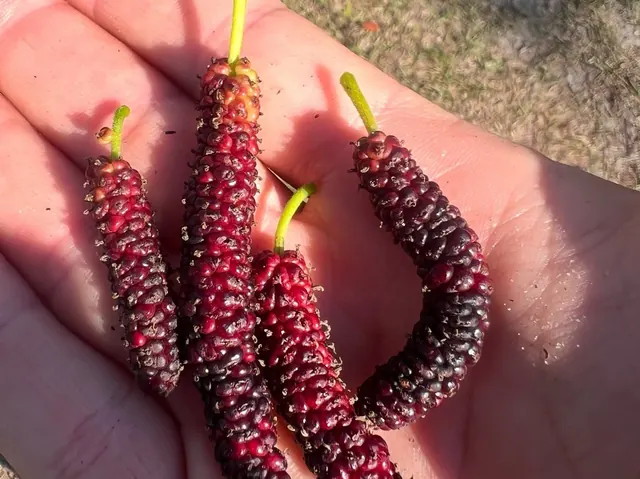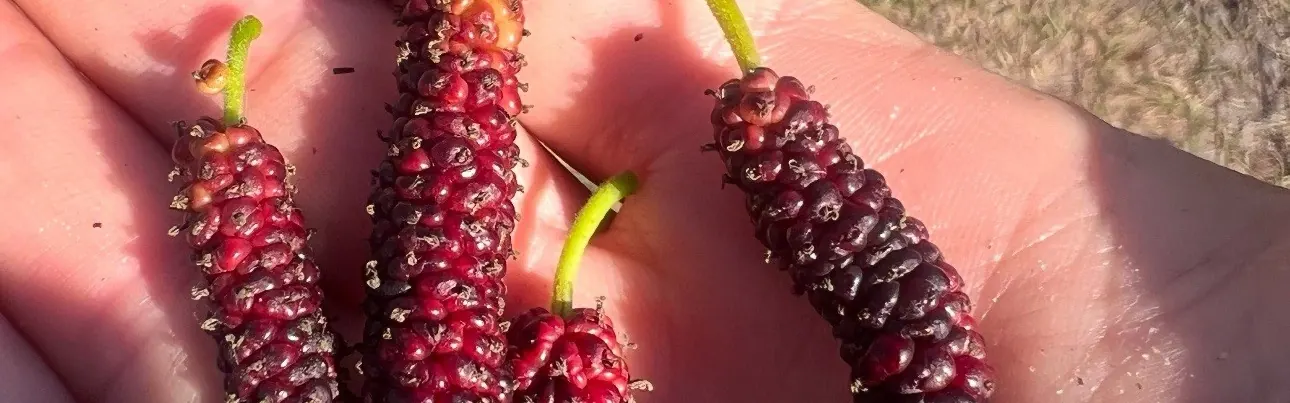
For South Florida gardeners, the dream of a bountiful edible landscape doesn't always require vast acreage. Tropical fruiting shrubs offer an incredible solution, blending ornamental beauty with delicious, homegrown produce right in your backyard. These versatile plants are perfect for maximizing space and diversifying your edible garden.
What Are Tropical Fruiting Shrubs?
Tropical fruiting shrubs are woody, perennial plants that typically grow to a height of 3 to 15 feet, characterized by multiple stems branching from or near the ground. Unlike trees, they generally lack a single, dominant trunk and maintain a more compact, bushy form. In a tropical and subtropical climate like Florida's, these shrubs are celebrated for their ability to produce edible fruit while also serving as attractive landscape elements, providing privacy screens, foundation plantings, or accent specimens. Their size makes them manageable for pruning, harvesting, and fitting into smaller garden spaces or even large containers.
Why This Matters for Florida Growers
South Florida presents a unique and often ideal environment for cultivating a wide array of tropical fruiting shrubs. Our warm, humid climate and generally frost-free conditions (especially in coastal areas) allow many species to thrive that would perish elsewhere. For Florida growers, integrating fruiting shrubs into the landscape offers numerous benefits:
- Space Efficiency: With lot sizes often shrinking, fruiting shrubs are perfect for urban and suburban gardens. They provide a significant yield without demanding the extensive space required for fruit trees, making them excellent choices for /fruit-plants-for-containers-and-small-spaces/.
- Faster Production: Many fruiting shrubs, especially those started from /tropical-fruit-starter-plants/, begin bearing fruit much sooner than their tree counterparts, often within 1-3 years of planting. This means less waiting for your harvest.
- Ease of Maintenance & Harvest: Their manageable size makes pruning, pest inspection, and harvesting fruit far simpler and safer than with tall trees.
- Versatility in Landscape Design: Beyond their edible bounty, these plants offer diverse textures, foliage colors, and flower displays, integrating beautifully into ornamental landscapes, hedges, or foundation plantings.
- Increased Food Security & Freshness: Growing your own tropical fruits ensures the freshest possible produce, free from unknown pesticides and picked at peak ripeness. It contributes to local food systems and personal self-sufficiency.
- Biodiversity & Pollinator Support: Many fruiting shrubs produce flowers that attract essential pollinators like bees and butterflies, contributing to the health of your garden ecosystem.
- Resilience: Often more forgiving than delicate fruit trees, many tropical fruiting shrubs can tolerate a range of soil conditions once established, and some are remarkably drought-tolerant or pest-resistant.
Step-by-Step Guide to Growing Tropical Fruiting Shrubs
Cultivating a thriving collection of tropical fruiting shrubs in your South Florida garden is a rewarding endeavor. Follow these steps for success:
-
Site Selection & Sunlight: Most tropical fruiting shrubs require full sun (at least 6-8 hours of direct sunlight daily) to produce abundant fruit. Some, like Cranberry Hibiscus, can tolerate partial shade, but fruit production will likely decrease. Observe your garden throughout the day to identify prime sunny spots. Consider morning sun accessibility, which is generally preferred to intense, scorching afternoon sun, especially for younger plants.
-
Soil Preparation: South Florida's native soils can range from sandy and well-draining to dense marl or limestone. Most tropical fruiting shrubs prefer well-draining, slightly acidic to neutral soil (pH 5.5-7.0).
- In-ground planting: Dig a hole at least twice as wide as the root ball and just as deep. Amend the excavated soil with a generous amount of high-quality organic matter like compost, mushroom compost, or well-rotted manure. This improves drainage in heavy soils and increases water retention in sandy soils. For very poor sandy soils, consider building a raised bed.
- Container planting: Choose large containers (at least 15-25 gallon for most mature shrubs) with excellent drainage holes. Use a high-quality potting mix specifically formulated for tropical plants or containers, often containing perlite or pine bark for drainage and aeration.
-
Planting Your Shrubs:
- Source Healthy Plants: Always start with healthy /tropical-fruit-starter-plants/ from a reputable local nursery. Look for plants with strong stems, vibrant foliage, and no signs of pests or disease.
- Digging & Placement: Gently remove the plant from its nursery pot. If roots are circling the pot, carefully loosen them. Place the plant in the prepared hole so that the top of the root ball is level with or slightly above the surrounding soil, especially in areas with poor drainage.
- Backfill & Water: Backfill the hole with your amended soil, gently tamping to remove large air pockets. Water thoroughly immediately after planting to help settle the soil around the roots.
-
Initial Care & Establishment: This phase is crucial for your plant's long-term health. (For more details, see /how-to-establish-young-tropical-fruit-plants/.)
- Watering: Young shrubs require consistent moisture. Water deeply and regularly, especially during dry spells, until the plant is established (typically 6-12 months). Check soil moisture before watering; it should feel slightly dry to the touch an inch or two below the surface.
- Mulching: Apply a 2-4 inch layer of organic mulch (pine bark, melaleuca mulch, or wood chips) around the base of the plant, keeping it a few inches away from the trunk. Mulch conserves soil moisture, suppresses weeds, and moderates soil temperature.
- Fertilizing: Wait 2-3 weeks after planting before applying any fertilizer. Then, use a slow-release granular fertilizer formulated for tropical fruit plants (e.g., 6-2-6, 8-3-9) or an organic option. Follow product instructions for dosage.
-
Ongoing Maintenance:
- Watering: Established shrubs may be more drought-tolerant but still benefit from deep watering during prolonged dry periods, particularly when flowering or fruiting.
- Fertilizing: Fertilize a few times a year, typically in spring, summer, and early fall, following product recommendations. Monitor your plants for signs of nutrient deficiencies (e.g., yellowing leaves) and adjust feeding as needed.
- Pruning: Pruning is essential for shaping, promoting air circulation, removing dead or diseased wood, and encouraging fruit production.
- Roselle: Cut back heavily after flowering/fruiting to encourage new growth.
- Surinam Cherry: Can be pruned into a formal hedge or allowed to grow naturally. Prune after fruiting.
- Cranberry Hibiscus: Can be pruned aggressively to maintain size and bushiness.
- General Rule: Always use clean, sharp pruning tools. Remove suckers from the base, crossing branches, and any dead or damaged wood.
- Pest and Disease Management: Regularly inspect your plants for signs of pests (aphids, scale, mealybugs) or diseases. Address issues promptly with organic solutions like horticultural oil or insecticidal soap, or consult with a local extension office for severe problems. Healthy plants are generally more resilient.
Best Practices & Pro Tips
- Diversify Your Selection: Don't just plant one type! A variety of fruiting shrubs will give you a longer harvest season and a wider range of flavors. Consider plants like /loquat/, /mulberry/, /scarlet-beauty-plum/, and /fig/ for additional shrub-like options or smaller fruit trees.
- Consider Cold Hardiness: While generally tropical, some shrubs are more cold-sensitive than others. If you're in a colder part of South Florida that experiences occasional freezes, research the cold tolerance of your chosen varieties. Placing them in sheltered locations or covering them during cold snaps can help.
- Interplanting: Plant groundcovers or low-lying herbs around your shrubs to help suppress weeds, retain moisture, and even attract beneficial insects.
- Observe Your Plants: Your plants will tell you what they need! Yellowing leaves, stunted growth, or lack of flowering/fruiting are all indicators that something is amiss.
- Companion Planting: Certain plants can benefit each other. For example, planting marigolds can deter nematodes, and herbs like basil can attract pollinators.
- Watering System: For busy gardeners, consider installing a drip irrigation system. It's efficient, conserves water, and delivers moisture directly to the root zone.
- Propagate Your Own: Many tropical fruiting shrubs can be propagated from /fruit-plants-you-can-start-from-cuttings/, allowing you to expand your collection or share with friends easily.
Common Mistakes to Avoid
- Overwatering: This is a leading cause of plant death, especially in Florida's humid climate. Constantly soggy soil leads to root rot. Always check soil moisture before watering.
- Underestimating Sun Needs: Skimping on sunlight will result in sparse foliage, weak growth, and poor fruit production.
- Planting Too Deep: Burying the root crown can suffocate the plant and lead to stem rot. The root flare should be visible at or slightly above the soil line.
- Ignoring Soil Amendments: Planting directly into unamended native Florida soil (especially very sandy or very heavy types) without adding organic matter will make it difficult for your shrubs to establish and thrive.
- Neglecting Pruning: Lack of pruning leads to leggy growth, reduced fruit quality, and increased susceptibility to pests and diseases due to poor air circulation.
- Fertilizing Immediately After Planting: Young plants need time to adjust before being hit with nutrients. Wait a few weeks.
- Not Inspecting New Plants: Always check new purchases for pests or diseases to avoid introducing problems to your existing garden.
- Planting in Areas Prone to Flooding: Even well-draining plants won't survive prolonged waterlogging. Avoid low-lying areas that collect water during heavy rains.
FAQ
Q1: What are some specific tropical fruiting shrubs highly recommended for South Florida? A1: Beyond our top three, consider others like Barbados Cherry (Malpighia emarginata) for its vitamin C-rich fruit, Jaboticaba (Myrciaria cauliflora) for unique trunk-borne berries (though slower growing), and Pineapples (Ananas comosus) which are technically bromeliads but function well as edible landscape shrubs. Many varieties of Mulberries also grow as large shrubs or small trees, such as the ‘Dwarf Everbearing’ which is popular here. Don't forget the popular /surinam-cherry/ for hedges and tasty fruit.
Q2: Can I grow tropical fruiting shrubs in containers in Florida? A2: Absolutely! Many tropical fruiting shrubs are excellent choices for containers, especially for tighter spaces or if you want to move them for cold protection. Just ensure the container is large enough (at least 15-25 gallons for mature plants), has good drainage, and you use a quality potting mix. Favorites for containers include Surinam Cherry, Dwarf Everbearing Mulberry, and Roselle. For more, see /fruit-plants-for-containers-and-small-spaces/.
Q3: How much fruit can I expect from a typical tropical fruiting shrub? A3: Yield varies significantly based on the species, age, variety, growing conditions, and your care. A well-established Surinam Cherry hedge, for instance, can produce many pounds of fruit over its season, while a single Roselle plant can provide numerous calyces. Generally, you can expect enough fruit to enjoy fresh eating and perhaps some for preserves or juices from a healthy, mature shrub.