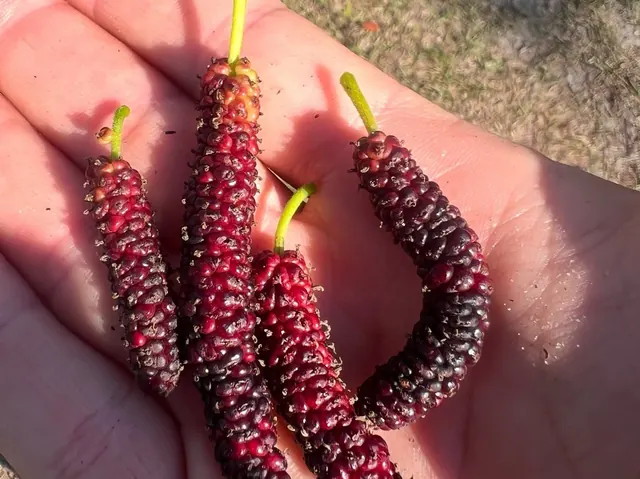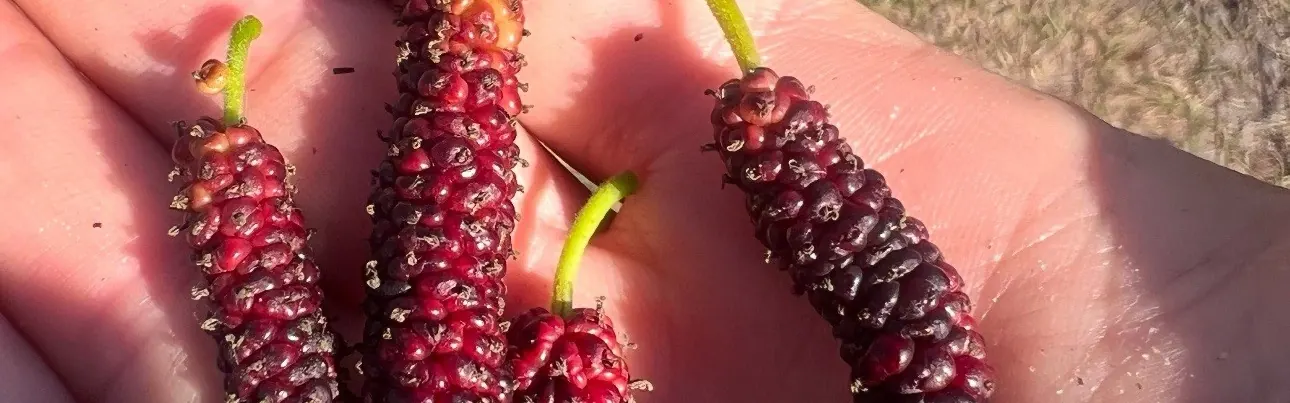
For the dedicated horticultural enthusiast, embarking on the journey of cultivating rare fruit plants offers a unique blend of challenge and immense satisfaction. It's an exploration into an extraordinary world of flavors, textures, and botanical wonders that extend far beyond the typical grocery store produce.
What Is a Rare Fruit Plant for Collectors?
A rare fruit plant, in the context of collectors, generally refers to a species or cultivar that is not widely cultivated commercially, or perhaps even unknown to the general public. These plants often possess unique flavor profiles, unusual appearances, or specific cultural requirements that make them less suitable for mass agriculture but highly desirable for the discerning grower. For collectors, "rare" can also imply a highly sought-after cultivar of a more common fruit, prized for its superior taste, resilience, or specific growth habit. The appeal lies in discovering and propagating genetic material that offers something truly special, moving beyond the well-trodden path of conventional tropical fruits.
Why This Matters for Florida Growers
South Florida, with its subtropical to tropical climate (USDA Hardiness Zones 10a-11b), is a horticultural paradise uniquely positioned for growing an astonishing array of rare tropical fruits. Unlike many other regions of the continental U.S., our frost-free or near-frost-free conditions allow for the successful establishment of plants that would perish elsewhere.
Cultivating rare fruit plants in Florida offers several compelling benefits:
- Climate Advantage: Our warm, often humid climate is perfectly suited for many exotic fruits hailing from equatorial regions, giving us a significant advantage over growers in temperate zones.
- Biodiversity & Conservation: By growing rare and unusual varieties, Florida collectors contribute to the preservation of genetic diversity, preventing valuable fruit genetics from being lost.
- Unique Culinary Experiences: Imagine harvesting a fruit with notes of caramel and custard from your backyard, or a refreshing, effervescent berry – these are experiences mainstream agriculture rarely provides.
- Community & Knowledge Sharing: The rare fruit community in Florida is vibrant, offering opportunities for learning, sharing experiences, and acquiring new plants through local organizations like the Rare Fruit Council International.
- Ornamental Value: Many rare fruit plants are also highly ornamental, featuring striking foliage, beautiful flowers, or interesting growth habits, adding aesthetic appeal to the landscape.
- Adaptation to Specific Microclimates: Florida's diverse soils (from sandy to marl) and varied sun exposures mean certain rare fruits might thrive in one specific locale better than another, making local knowledge invaluable.
Step-by-Step Guide to Collecting Rare Fruit Plants
Venturing into the world of rare fruit collecting requires a thoughtful and strategic approach. Here’s how to build your unique orchard:
- Research, Research, Research: Before you acquire any plant, thoroughly investigate its needs. Understand its mature size, cold hardiness, soil preferences, watering requirements, and fruiting season. Pay close attention to specifics for Florida’s climate. For example, some tropicals prefer acidic soil (common in many parts of South Florida), while others tolerate or even prefer alkaline conditions (found in limestone-rich areas).
- Define Your Goals & Space:
- Space Limitations: Do you have acres, or are you looking for /fruit-plants-containers-small-spaces/? Many rare fruits can be kept smaller with pruning or grown in large pots.
- Cold Tolerance: Knowing your specific microclimate within Florida (e.g., coastal, inland, protected areas) is crucial. Some rare fruits will need protection even in Zone 10.
- Personal Preferences: What flavors excite you? Are you looking for fruits for fresh eating, preserves, or juice?
- Patience Level: Some rare fruits take many years to bear. Are you up for the long haul?
- Sourcing Your Plants: This is critical for success.
- Specialty Nurseries (Like Ours!): Seek out local growers who specialize in tropical and rare fruits. They often have established, healthy specimens and invaluable local knowledge. Ask about the specific cultivar, its parentage (if grafted), and its performance in Florida.
- Rare Fruit Council Chapters: These local organizations (e.g., Rare Fruit Council International, Tropical Fruit Tree Growers of South Florida) are fantastic resources. They host plant sales, grafting workshops, and often have members willing to share cuttings or seeds from their own collections.
- Botanical Garden Sales: Institutions like Fairchild Tropical Botanic Garden or Mounts Botanical Garden often host sales with rare and unusual species propagated from their collections.
- Reputable Online Communities/Forums: Engage with groups dedicated to tropical fruit growing. People often share insights, trade cuttings (/tropical-fruit-cuttings-overview/), or connect you with smaller growers. Exercise caution and verify reputations before purchasing from unknown sources.
- Avoid: Importing plants without proper permits can introduce pests and diseases, and buying from non-specialized general nurseries may lead to mislabeled or unsuitable plants.
- Acquisition & Inspection:
- Health Check: Always inspect plants for pests, diseases, or signs of stress before purchasing. Healthy leaves, stable root systems (not circling excessively), and intact stems are good indicators.
- Grafted vs. Seedling: For many rare fruits, grafted plants of named cultivars are preferred as they ensure true-to-type fruit, earlier fruiting, and often better performance than seedlings. Ask if the plant is a named cultivar.
- Establishing Your New Plant (Refer to /how-to-establish-young-tropical-fruit-plants/):
- Acclimation: Do not immediately plant a new acquisition directly into full sun if it’s been in a shade house. Gradually introduce it to your garden’s conditions.
- Proper Planting: Dig a hole twice as wide as the root ball, but no deeper. Ensure excellent drainage. For Florida’s sandy soils, amending with compost can be beneficial, but don’t overdo it.
- Watering: Consistent watering is crucial during establishment. New plants are very susceptible to drying out.
- Protection: Young plants may need temporary shade cloth, stakes, or even frost protection during colder snaps, especially for more tender rare species.
- Ongoing Care:
- Fertilization: Develop a feeding schedule using fertilizers formulated for tropical fruits, often with micronutrients lacking in Florida soils.
- Pruning: Regular pruning helps shape the plant, encourages fruiting, and manages size, especially for container-grown specimens.
- Pest and Disease Management: Learn to identify common issues and address them proactively using organic or targeted controls suitable for edible plants.
Best Practices & Pro Tips for Florida Collectors
- Embrace Your Hardiness Zone: Use it as a guide, but understand microclimates. A protected spot against a south-facing wall might enable you to grow something a bit more tender.
- Soil Amendments are Key: Florida's sandy soils often lack organic matter. Regularly incorporating compost and organic mulch will dramatically improve soil structure, water retention, and nutrient availability.
- Microclimate Creation: Consider planting windbreaks, creating shade structures, or utilizing existing structures to modify the immediate environment for sensitive plants.
- Water Wisely: Deep, infrequent watering encourages strong root development. For plants in containers, monitor moisture daily.
- Join a Local Rare Fruit Council: This is hands-down the best resource for local knowledge, plant swaps, grafting demonstrations, and connecting with experienced growers.
- Know Your Cultivars: When sourcing, always ask for named cultivars. For example, not just "mango," but 'Cogshall' mango or 'Glenn' mango. This ensures you know exactly what you're getting in terms of flavor, size, disease resistance, and cold tolerance.
- Propagation Prowess: Learn basic grafting and air layering techniques. This will allow you to propagate your prized plants and share them with others, contributing to the community. Check out our /tropical-fruit-cuttings-guide/ for more.
- Document Everything: Keep a journal of planting dates, fertilizer applications, pruning, pest issues, and fruiting times. This helps you learn and adapt your care for optimal results.
- Container Gardening for Flexibility: For extremely rare or borderline cold-hardy species, growing in large containers allows you to move them indoors or to protected areas during cold snaps. See /fruit-plants-containers-small-spaces/.
Common Mistakes to Avoid
- Impulsive Buying: Don't buy a rare fruit plant just because it's rare. Research its needs first to ensure it's a good fit for your environment and growing capabilities.
- Ignoring Cold Hardiness: Even in South Florida, occasional cold snaps can devastate tropical plants. Don't assume a plant will survive without protection if its cold tolerance is below 35°F.
- Poor Drainage: Many tropical fruit plants absolutely hate "wet feet." Planting in heavy clay with poor drainage or in a low spot can quickly lead to root rot. If you have poor drainage, consider raised beds.
- Over-fertilizing: More isn't always better. Follow recommended dosages, especially with younger plants, to avoid burning roots.
- Underestimating Mature Size: A small plant in a pot can become a massive tree. Plan your planting location with the plant's mature dimensions in mind to avoid future headaches.
- Lack of Pollinators: Some rare fruits require specific pollinators or cross-pollination. Research this upfront to avoid disappointment when your plant flowers but doesn't fruit.
- Disregarding Pest & Disease Vigilance: Rare plants are not immune to common Florida pests like whiteflies, scale, or fungal issues. Regular inspection and early intervention are crucial.
FAQ
Q: How do I know if a rare fruit plant will actually fruit well in my specific part of Florida? A: The best way is to consult with local rare fruit council members, reputable local nurseries, and experienced growers in your immediate area. They can provide anecdotal evidence of what performs well under similar conditions, factoring in microclimates, typical winter lows, and soil types.
Q: Are rare fruit plants more difficult to grow than common varieties? A: Not necessarily more "difficult," but they often have more specific requirements. Their rarity often stems from finicky growth habits, limited geographical ranges, or slow growth, rather than inherent difficulty. With proper research and care specific to their needs, many rare fruits can thrive.
Q: Where can I get cuttings or seeds for very rare fruit plants? A: For cuttings (/tropical-fruit-cuttings-guide/), local rare fruit council meetings, plant swaps, and specialized online forums are excellent places. For seeds (/fruit-plants-start-from-seed/), reputable seed banks specializing in tropicals, botanical gardens, and direct trades with other collectors are common avenues. Always verify the source for authenticity and proper plant health.
Q: What are some good "beginner" rare fruit plants for a Florida collector to start with? A: Some less common but relatively forgiving options for South Florida include Grumichama (Eugenia brasiliensis), Jaboticaba (Myrciaria cauliflora), Peanut Butter Fruit (Bunchosia glandulifera), various types of Canistel (Pouteria campechiana) like 'Oro', or even specialized cultivars of more common fruits like an improved, thornless Barbados Cherry (Malpighia emarginata). These offer unique flavors without being overly demanding.