What Are Beginner Tropical Fruit Plants for Warm Climates?
Beginner tropical fruit plants are species specifically recommended for those new to growing fruit, particularly in warm, subtropical to tropical zones like South Florida. These plants are characterized by their relative ease of cultivation, tolerance to a range of growing conditions (including occasional neglect), and their ability to produce fruit reliably without requiring advanced horticultural knowledge or specialized equipment. They are often robust, adaptable, and quick to establish, offering new growers rewarding harvests relatively quickly. Unlike some of the more finicky or slow-growing tropicals, these plants are forgiving of common beginner mistakes and are less susceptible to specific pests, diseases, or environmental stresses common in our region.
Why This Matters for Florida Growers
South Florida offers an unparalleled canvas for growing a vast array of tropical fruits, thanks to our subtropical climate, abundant sunshine, and high humidity. However, this unique environment also presents specific challenges, such as alkaline soils, heavy rainfall, and the risk of occasional cold snaps. Choosing beginner-friendly tropical fruit plants is crucial for Florida growers for several reasons:
- Increased Success Rate: Starting with forgiving plants significantly boosts a new grower's confidence and reduces the likelihood of disheartening failures, encouraging a lifelong passion for tropical fruit cultivation.
- Climate Adaptability: The plants highlighted here are well-suited to Florida's specific microclimates, tolerating our heat, humidity, and often well-draining, sandy or coral-rock based soils. They are also generally more resilient to the occasional cool, drier winter periods we experience.
- Disease and Pest Resistance: Many beginner-friendly varieties have inherent resistance to common fungal issues (like those caused by constant humidity) and pests that can plague more sensitive exotic fruit trees.
- Faster Gratification: Producing fruit within 1-3 years keeps new gardeners engaged and motivated. There’s nothing quite like harvesting the first fruit from your own backyard!
- Reduced Learning Curve: These plants do not demand precise pruning techniques, complex fertilization schedules, or constant environmental monitoring, allowing growers to gradually learn best practices without feeling overwhelmed.
- Resource Efficiency: Less demanding plants often require less water, fewer amendments, and less pest management, making them an economical and sustainable choice for starting your edible landscape.
Step-by-Step Guide to Growing Beginner Tropical Fruits in Florida
Getting started with tropical fruit plants in your South Florida yard is an exciting endeavor. Follow these steps for the best chance of success.
Step 1: Site Selection and Soil Preparation
- Sunlight: Most tropical fruit plants, especially those known for heavy fruiting, require at least 6-8 hours of direct sunlight daily. Observe your yard throughout the day to identify the sunniest spots.
- Drainage: South Florida soils can vary from well-draining sandy loam to slow-draining marl. Good drainage is paramount for tropical fruit trees, as soggy roots lead to rot. If your soil retains water, consider planting in raised beds or amending heavily with organic matter (like composted pine bark or mushroom compost) to improve aeration and drainage.
- pH Check: Florida soils, especially those built on limestone, tend to be alkaline (pH 7.0-8.5). While many tropicals prefer slightly acidic to neutral soil, the beginner plants listed here are generally more tolerant. However, an annual application of chelated iron can help prevent deficiencies in alkaline conditions.
- Space: Consider the mature size of your chosen plant. While many can be managed with pruning, ensure there's adequate space away from structures, power lines, and other trees. For Mulberry and Fig, ensure room for their spreading canopy. Loquats can get quite large but tolerate pruning. Surinam Cherry can be maintained as a dense hedge.
Step 2: Choosing Your Starter Plants
- Source: Purchase your plants from a reputable local nursery specializing in tropical fruit, like ours. This ensures you're getting healthy, well-adapted plants that are appropriate for Floridian conditions. /tropical-fruit-starter-plants
- Vigor: Select plants with healthy, green foliage, no signs of pests or diseases, and a strong, well-developed root system visible through the drainage holes.
- Variety (Specific to Florida):
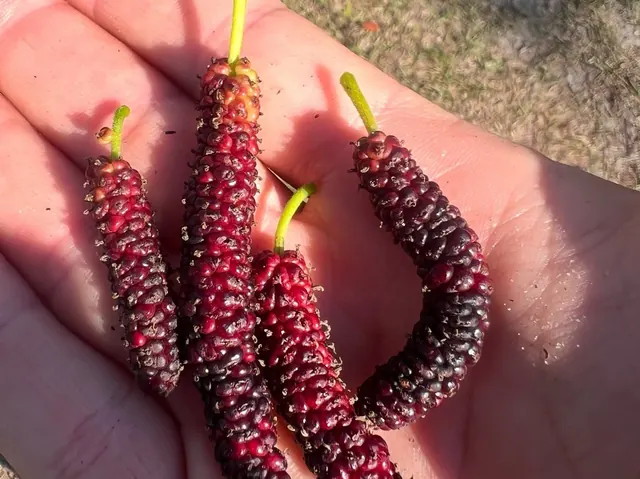
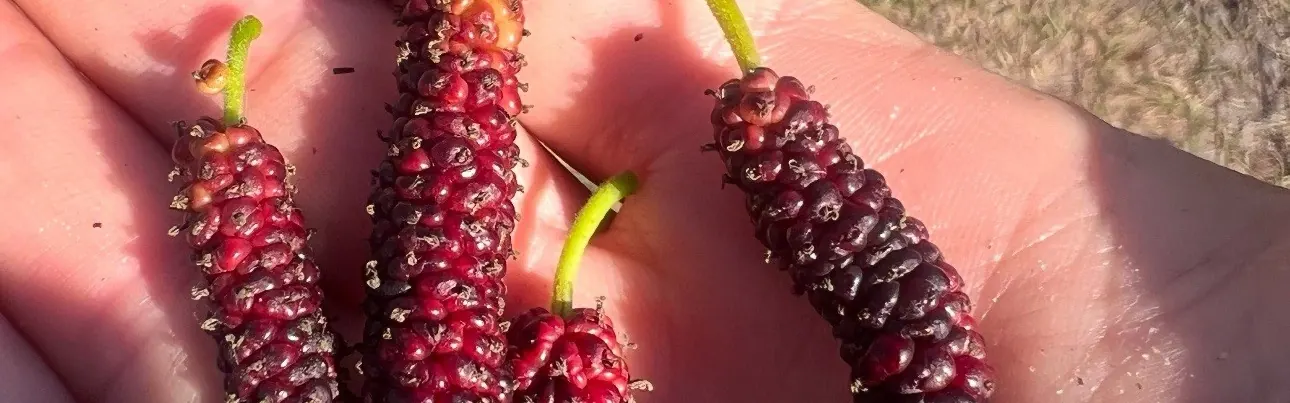
- Mulberry (/mulberry): 'Black Beauty' or 'Florida Giant' are excellent choices for our climate, known for prolific fruiting. They can fruit multiple times a year here.
- Fig (/fig): 'Brown Turkey,' 'Celeste,' or 'Black Mission' are reliable producers in Florida, relatively tolerant of our heat and humidity.
- Loquat (/loquat): 'Tanaka' or 'Gold Nugget' perform well, providing sweet, tangy fruit. They are evergreen and attractive.
- Surinam Cherry (/surinam-cherry): While specific named varieties are less common, ensure it's a clumping, full specimen. The darker fruiting types are generally sweeter.
Step 3: Planting Your Tropical Fruit Tree
- Timing: The best time to plant in South Florida is during the cooler, drier months (October to March) when plants can establish roots without the stress of intense summer heat and torrential rains. However, with consistent watering, planting can be done year-round.
- Digging the Hole: Dig a hole that is twice as wide as the root ball and just as deep. The top of the root ball should be level with or slightly above the surrounding soil surface to account for settling and prevent standing water around the trunk.
- Planting: Gently remove the plant from its container. If roots are circling, tease them apart carefully. Place the plant in the hole, backfill with native soil, gently tamping to remove air pockets. Do not fertilize at planting, as it can burn new roots.
- Watering In: Water thoroughly immediately after planting until the soil is saturated.
Step 4: Initial Care and Establishment
- Watering: For the first few months, young plants require consistent moisture. Water deeply every 1-3 days, depending on rainfall, soil type, and temperature. The goal is consistently moist, but not waterlogged, soil. For more detail, see /how-to-establish-young-tropical-fruit-plants.
- Mulching: Apply a 2-4 inch layer of organic mulch (pine bark, melaleuca mulch, or wood chips) around the base of the plant, keeping it a few inches away from the trunk. Mulch conserves moisture, moderates soil temperature, and suppresses weeds.
- Fertilization: Wait 4-6 weeks after planting before applying any fertilizer. Use a slow-release granular fertilizer formulated for tropical fruit trees, or an organic option like compost and worm castings. Follow package directions, as over-fertilizing can be detrimental.
- Pruning: Initial pruning is minimal, mainly to remove dead, damaged, or crossing branches. Mulberry and Fig benefit from light shaping to encourage an open, productive structure. Surinam Cherry can be shaped into a hedge or small tree. Loquats generally need less pruning.
Best Practices & Pro Tips
- Embrace Organic Matter: Florida's sandy soils benefit immensely from regular applications of compost and other organic matter. This improves water retention, nutrient availability, and beneficial microbial activity.
- Foliar Feeding for Minor Deficiencies: In alkaline soils, tropicals can sometimes show symptoms of iron, manganese, or zinc deficiency (yellowing leaves with green veins). A foliar spray of chelated micronutrients can provide a quick boost.
- Container Growing: Many beginner tropical fruits, especially Mulberry and Fig, excel in containers, which is perfect for smaller yards or patios. As they grow, up-pot to larger containers. /fruit-plants-containers-small-spaces
- Pest and Disease Monitoring: While beginner plants are relatively robust, regularly inspect your plants for signs of pests (aphids, mealybugs) or diseases. Early detection allows for easier, often organic, intervention (e.g., neem oil spray, insecticidal soap).
- Cold Protection (South Florida Specific): While generally tolerant, young plants can be susceptible to damage from prolonged dips below 35-40°F. If a cold snap is predicted, cover young plants with frost cloth or blankets, and water the soil beforehand.
- Intercropping: Consider planting companion plants around your fruit trees to attract beneficial insects and improve soil health.
Common Mistakes to Avoid
- Overwatering: This is a top killer of young fruit trees in Florida, especially in heavy soils. Always check soil moisture before watering. Stick your finger 2-3 inches into the soil – if it feels moist, wait.
- Planting Too Deep: Burying the root flare (where the trunk meets the roots) can lead to rot and stifle growth. Ensure it’s at or slightly above grade.
- Ignoring Soil pH: While beginner plants are more tolerant, extreme alkalinity can still cause issues. Regular soil amendments and occasional pH checks can prevent long-term problems.
- Fertilizing Too Soon or Too Much: New plants are sensitive. Wait until established, and always follow dosage instructions to avoid burning roots.
- Lack of Mulch: Skipping mulch leads to rapid water evaporation, increased weed competition, and fluctuating soil temperatures, all detrimental to young trees.
- Insufficient Sunlight: Planting in a shady spot will result in poor growth and minimal fruit production.
- Neglecting Pruning: While not critical in the first year, establishing a good structure early on, especially for mulberries and figs, can lead to better harvests and healthier plants in the long run.
FAQ
Q1: How quickly will these beginner plants produce fruit in South Florida? A1: You can expect relatively quick returns! Mulberry often fruits in its first year from a well-established cutting or small plant. Fig and Surinam Cherry typically start producing within 1-2 years. Loquat may take 2-4 years, as it's a slightly slower grower but repays with delicious, abundant fruit.
Q2: Do I need to buy more than one plant for pollination? A2: For the beginner plants listed, generally no. Mulberry trees are self-fertile, and many Fig varieties are parthenocarpic (meaning they produce fruit without pollination, or are self-pollinating). Loquat and Surinam Cherry are also self-fertile. This makes them ideal for single-tree home gardens!
Q3: Can I grow these in containers on my South Florida patio? A3: Absolutely! Mulberry and Fig are particularly well-suited to container culture, and Surinam Cherry can also thrive as a patio shrub. Loquat can be grown in very large containers but will remain smaller than if planted in the ground. For container growing, ensure you use a high-quality potting mix with excellent drainage and choose a large pot (at least 15-25 gallons for mature plants) to accommodate root growth. Consistent watering and feeding are even more crucial for containerized plants. See /fruit-plants-containers-small-spaces for more.
Q4: What's the biggest challenge for these plants in South Florida? A4: While robust, the primary challenges are often related to our unique climate and soil. Alkaline soil (leading to potential nutrient deficiencies if not addressed), the intense summer heat and humidity (which can encourage fungal issues if air circulation is poor or plants are stressed), and occasional cold snaps in winter are the main hurdles. Proper site selection, soil preparation, mulching, and vigilance against extreme weather are key to success.