Embarking on the journey of growing your own tropical fruit in Florida is incredibly rewarding, transforming your backyard into a verdant, edible oasis. With our unique climate, selecting the right fruit plants is crucial for success, ensuring bountiful harvests from thriving specimens.
What Are the Best Fruiting Plants for Florida Growers?
The "best fruiting plants for Florida growers" refers to a curated selection of tropical and subtropical fruit trees, shrubs, and vines that are exceptionally well-suited to the state's specific climatic conditions. This includes high humidity, abundant rainfall, generally mild winters (though some areas experience frosts), and often alkaline soils. These plants are chosen for their resilience, productivity, and flavor, with a focus on varieties that perform optimally without excessive intervention once established. The selection often favors those resistant to common Florida pests and diseases or those that can tolerate specific local challenges like salt spray in coastal regions.
Why This Matters for Florida Growers
Florida's climate is a double-edged sword. While it allows us to cultivate an exotic array of tropical fruits that are impossible to grow outdoors in most of the continental United States, it also presents unique challenges. The relentless heat, humidity, and the potential for hurricanes, extended rainy seasons, and occasional freezes mean that not all fruit plants will thrive here. Choosing the right plants from the outset significantly increases your chances of success, leading to healthier plants, higher yields, and less frustration. Ignoring these considerations can result in stunted growth, disease susceptibility, and ultimately, a lack of fruit. Furthermore, opting for well-adapted species often reduces the need for excessive chemical interventions, promoting a more eco-friendly and sustainable home orchard. Understanding which plants naturally excel in our environment saves time, money, and effort, making the dream of a home tropical fruit grove a delicious reality.
Step-by-Step Guide: Selecting and Establishing Top Florida Fruit Plants
Choosing and successfully establishing the right fruit plants is key to a productive Florida orchard.
Step 1: Assess Your Microclimate and Growing Conditions
Before you buy any plant, understand your specific site conditions. * USDA Hardiness Zone: Most of Florida is Zone 9b-11. Know your zone for cold tolerance. While all plants listed here thrive in varying parts of Florida, not all are equally cold-hardy. For instance, varieties like Avocado can be very sensitive to frost, whereas a Mulberry will shrug off a hard freeze. * Sunlight: Most fruiting plants require at least 6-8 hours of direct sunlight daily. Observe your chosen planting spot throughout the day. * Soil Type and pH: Florida soils vary from sandy and acidic in central and north Florida to alkaline, marl, or limestone-rich in south Florida. Many tropical fruits prefer slightly acidic to neutral soil (pH 6.0-7.0), but some are more tolerant. Consider a soil test to understand your baseline. * Drainage: Good drainage is paramount. Fruits hate "wet feet." If you have heavy clay or mucky soil, consider raised beds or amending heavily with organic matter. * Coastal Proximity: If you're near the coast, salt spray and sandy, nutrient-poor soils are factors. Look for species known for their salt tolerance.
Step 2: Research and Select Proven Florida Performers
Based on your assessment, narrow down your choices. Here are some of the best-performing fruits for various Florida conditions:
- Mulberry (Morus spp.):
- Why it's great: Extremely fast-growing, productive, and adaptable to all Florida zones. Very cold hardy. Fruits prolifically in spring.
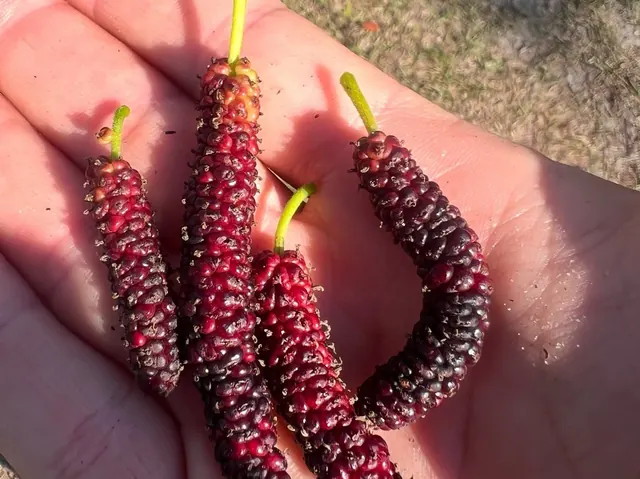
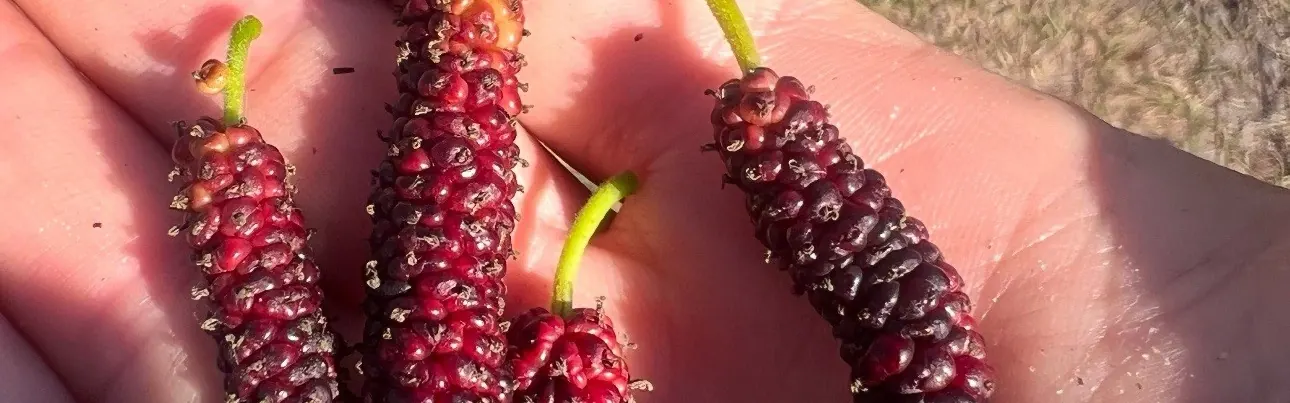
- Key varieties: 'Dwarf Black', 'Shangri-La', 'Pakistan' (longer fruits).
- Considerations: Can be messy with ripe fruit; prune to manage size. See our article on [/mulberry] for more detailed information.
- Fig (Ficus carica):
- Why it's great: Heat-loving, relatively low maintenance once established. Produces two crops in Florida (breba crop in spring, main crop in summer/fall).
- Key varieties: 'Black Mission', 'Brown Turkey', 'Celeste', 'Alma'.
- Considerations: Needs consistent water during fruiting; full sun.
- Loquat (Eriobotrya japonica):
- Why it's great: Evergreen ornamental tree, fruits in late winter/early spring, providing fresh fruit when little else is available. Tolerates a wide range of conditions.
- Key varieties: 'Gold Nugget', 'Tanaka', 'Big Jim'.
- Considerations: Needs good drainage, can get large if not pruned. Learn more about loquats at [/loquat].
- Surinam Cherry (Eugenia uniflora):
- Why it's great: Excellent fruiting hedge or small tree, tolerant of a wide range of soils and light conditions. Very productive, fruits multiple times a year. Great for containers too!
- Key varieties: Standard red (commonly available), 'Zill Black' (sweeter, less resinous).
- Considerations: Some find the flavor resinous; choose improved varieties if possible. Read more at [/surinam-cherry].
- Avocado (Persea americana):
- Why it's great: Iconic Florida fruit. Many varieties exist for different seasons and cold tolerances.
- Key varieties: 'Marcus Pumpkin' (cold hardy), 'Donnie', 'Simmonds', 'Monroe', 'Hass' (some newer Florida varieties are more suited than the California standard).
- Considerations: Requires good drainage; susceptible to laurel wilt (a disease spread by beetles). Choose resistant varieties where possible. More details on Avocado are available at [/avocado].
- Passion Fruit (Passiflora edulis):
- Why it's great: Fast-growing vine, incredibly productive, delicious aromatic fruit. Can be grown on a trellis, fence, or arbor.
- Key varieties: 'Possum Purple' or 'Purple Possum', 'Panama Red'. Purple Possum Passion Fruit is an excellent choice, more information at [/purple-possum-passion-fruit].
- Considerations: Needs strong support, can be short-lived (3-5 years) but easy to start new plants from cuttings or seed. Good for [/fruit-plants-you-can-start-from-cuttings].
- Tropical Fruiting Shrubs (e.g., Gac, Jaboticaba, Barbados Cherry):
- Why they're great: Fit smaller spaces, often productive at a younger age. Excellent for Best Tropical Fruiting Shrubs for Home Growers and Fruiting Shrubs for Florida.
- Considerations: Specific needs vary by species. Some, like Jaboticaba, are slower growing initially.
Step 3: Source Quality Starter Plants or Cuttings
- Reputable Nursery: Purchase Tropical Fruit Starter Plants from trusted local nurseries like ours that understand Florida conditions. This ensures you get healthy, acclimatized plants.
- Cuttings: For some species like Mulberry, Fig, and certain Passion Fruit, starting from Tropical Fruit Cuttings can be cost-effective and rewarding. Consult our [/tropical-fruit-cuttings-guide] for best practices.
- Seeds: While possible for some (e.g., Loquat, Passion Fruit), seed-grown plants can take longer to fruit and may not be true to parent type. For Fruit Plants You Can Start From Seed, see our guide.
Step 4: Proper Planting and Initial Care
- Timing: Plant during the cooler, drier months (fall to spring) to allow establishment before the intense summer heat.
- Site Preparation: Dig a hole twice as wide as the root ball, but no deeper. Amend the backfill soil with compost and a small amount of balanced slow-release fertilizer if needed. For sandy soils, consider adding peat or compost to improve water retention. For alkaline soils, adding sulfer or acidic amendments can help lower pH.
- Planting: Gently remove the plant from its container. Loosen any circling roots. Plant at the same depth it was in the pot, ensuring the graft union (if applicable) is well above the soil line.
- Watering: Immediately after planting, water deeply. Continue consistent watering, especially during dry spells, for the first 6-12 months. This is critical for How to Establish Young Tropical Fruit Plants.
- Mulching: Apply a 2-4 inch layer of organic mulch (pine bark, wood chips) around the base, keeping it a few inches away from the trunk. This conserves moisture, suppresses weeds, and moderates soil temperature.
Best Practices & Pro Tips
- Right Plant, Right Place: This cannot be overstressed. Don't try to force a plant to grow where it won't be happy.
- Water Wisely: Deep, infrequent watering is generally better than shallow, frequent watering, as it encourages deeper root growth. Check soil moisture before watering.
- Fertilize Appropriately: Use fertilizers formulated for tropical fruits, often with a good micronutrient package (especially iron, manganese, zinc). Florida's alkaline soils can lock up these nutrients. Start fertilizing lightly after the plant shows new growth.
- Pruning for Health and Production: Prune to establish a strong structure, remove dead/diseased branches, and encourage fruiting. Consult specific pruning guides for each fruit type. For example, Loquat naturally forms a nice canopy, while Mulberry can be trained.
- Pest and Disease Monitoring: Regularly inspect your plants for signs of pests or diseases. Early detection allows for easier, less intensive treatment. Integrated Pest Management (IPM) is key.
- Cold Protection: Even in South Florida, occasional cold snaps can occur. Be prepared to cover sensitive young plants. See our article [/beginner-tropical-fruit-plants-warm-climates] for more on cold protection.
- Consider Grafted Varieties: Many fruit trees are grafted for disease resistance, faster fruiting, or specific varietal characteristics. Our [/tropical-fruit-cuttings-overview] and Tropical Fruit Cuttings and Starter Plants pillar article delve deeper into this.
Common Mistakes to Avoid
- Overwatering: The quickest way to kill a young tropical fruit tree in Florida's humid climate. Roots need oxygen.
- Planting Too Deep: Leads to stem rot and can smother roots. The root flare should be visible at the soil line.
- Ignoring Soil pH: Attempting to grow acid-loving plants in highly alkaline soil without proper amendment will lead to chlorosis and poor performance.
- Not Protecting from Cold (Young Plants): Even a light frost can damage or kill tender young tropicals. Always err on the side of caution.
- Planting a Single Variety Requiring Cross-Pollination: While many tropicals are self-fertile, some, particularly certain avocado varieties, benefit from or require a second pollinator for optimal fruit set. Research specific variety needs.
- Neglecting Mulch: Failing to mulch leads to increased soil temperature, rapid moisture evaporation, and more weeds competing for nutrients.
- Over-Fertilizing Young Plants: Too much fertilizer can burn delicate roots. "Little and often" is a good mantra for young plants.
FAQ
Q1: How do I know if a specific fruit plant will tolerate Florida's varied soils? A1: A soil test is your best first step. Most county extension offices offer affordable soil testing. Once you know your soil pH and composition, you can select plants that naturally thrive in those conditions or make informed amendments. Our nursery also provides guidance based on typical regional soil types.
Q2: What are some good options if I have a small yard or want to grow fruit in containers? A2: Absolutely! For small spaces and containers, consider dwarf varieties of Mulberry, Fig, Surinam Cherry, Passion Fruit (on trellises), and Barbados Cherry. Jaboticaba is also an excellent slow-growing, compact option. For more ideas, explore our article on [/fruit-plants-containers-small-spaces].
Q3: When is the best time to plant tropical fruit trees in Florida? A3: The ideal time to plant is typically in the fall through early spring (October to March). This allows plants to establish their root systems in cooler, often drier weather before the intense heat and heavy rains of summer arrive, reducing transplant shock.
Q4: Do I need to worry about chill hours for tropical fruits in Florida? A4: Generally, tropical and subtropical fruit plants grown in Florida have very low or no chill hour requirements, which makes them ideal for our climate. Chill hours refer to the cumulative hours below a certain temperature that some temperate fruit trees need to break dormancy and set fruit. For the fruits recommended here, this isn't a concern.