Embarking on the journey of growing your own tropical fruit is incredibly rewarding, and for many plants, that journey can begin with a tiny seed. While starting from cuttings or grafted plants often yields faster results, cultivating fruit trees from seed offers unique advantages, from genetic diversity to the sheer satisfaction of nurturing life from its very beginning. For Florida growers, understanding which fruit plants thrive from seed and how to properly sow them is a valuable skill.
What Is Starting Fruit Plants from Seed?
Starting fruit plants from seed involves germinating the reproductive unit of a flowering plant to produce a new individual. Unlike vegetative propagation methods such as cuttings or grafting, which create clones of the parent plant, seed propagation mixes the genetic material of two parent plants (sexual reproduction). This results in offspring that have characteristics of both parents, leading to genetic variability. For home growers, this means each seed-grown plant is a unique individual, potentially with slightly different fruit flavor, disease resistance, or growth habits than its parent. It's a fundamental method of plant reproduction found in nature and can be a cost-effective and engaging way to expand your edible landscape.
Why This Matters for Florida Growers
Florida's unique subtropical to tropical climate allows for an incredible diversity of fruit plants that thrive here, many of which can be successfully grown from seed.
- Cost-Effectiveness: Seeds are significantly cheaper than purchasing established grafted trees or even rooted cuttings. This allows you to experiment with a wider variety of plants without a large initial investment.
- Genetic Diversity & Resilience: Seed-grown plants, especially in a diverse climate like Florida's, introduce genetic variation. This can lead to plants with improved resistance to local pests and diseases, or better adaptation to specific microclimates within your yard (e.g., more tolerance to a dry spell, or a particularly wet season). While some might not perform as well as the parent, others might actually perform better.
- Educational Value: For passionate gardeners, the process of starting a plant from seed is a deeply educational and satisfying experience, offering insights into plant biology and patience. It's an excellent project for families and budding young horticulturists.
- Availability of Rare Varieties: Sometimes, rare or unusual tropical fruits are only available as seeds. If you're a collector or looking for something off the beaten path, seed propagation might be your only option. For resources on expanding your collection, check out our articles on [/rare-fruit-plants-for-collectors] and [/rare-fruit-plants-for-collectors-specialty].
- Rootstock Potential: While beyond the scope of a beginner, seed-grown plants can serve as excellent rootstock for grafting desired varieties later on. For instance, a vigorous avocado seedling, even if its fruit isn't top-tier, could be used as a robust rootstock for a named, superior avocado cultivar.
While many prized Florida fruit varieties are propagated by grafting to ensure specific fruit quality and early production, a select number of tropical fruits "come true" or mostly true from seed, meaning their offspring largely resemble the parent plant in terms of fruit quality. Even for those that don't come entirely true, the vigorous growth and potential for novel traits make them worthwhile endeavors.
Step-by-Step Guide to Starting Fruit Plants from Seed
Success in seed propagation hinges on understanding the specific requirements of each fruit type. However, a general framework applies to most tropical fruit seeds.
1. Sourcing Quality Seeds
- Freshness is Key: For many tropical fruits, viability declines rapidly once seeds dry out. Collect seeds directly from ripe, healthy fruit.
- Reputable Suppliers: If buying, choose nurseries or seed banks specializing in tropical seeds. Ask about the harvest date and storage conditions.
- Avoid Hybrids (for "coming true"): If your goal is to grow a plant that closely resembles the parent fruit, avoid seeds from known hybrid varieties, as they are less likely to "come true."
2. Seed Preparation
- Cleaning: Remove all fruit pulp thoroughly. Residual sugars and flesh can promote fungal growth (damping-off). A light scrub under running water, perhaps with a soft brush, is usually sufficient.
- Drying (Specific): Some seeds (e.g., loquat) benefit from slight surface drying before planting, while others (e.g., avocado, mango) should never fully dry out. Research your specific fruit's needs.
- Scarification: For seeds with very hard coats (e.g., some types of passion fruit), scarification may be necessary to allow water penetration. This can involve lightly abrading the seed coat with sandpaper or nicking it with a knife.
- Example: Passion fruit seeds (like the [/purple-possum-passion-fruit]) often benefit from scarification or a soak in warm water before planting.
- Stratification (Less Common for Tropicals): While more common for temperate fruits, some tropical seeds may benefit from a period of cool, moist storage to break dormancy. However, for most tropical fruits grown in Florida, this isn't typically required.
- Soaking: Many tropical seeds benefit from soaking in lukewarm water for 12-24 hours. Change the water every few hours. This softens the seed coat and speeds up germination.
3. Choosing the Right Growing Medium and Containers
- Medium: Use a high-quality, sterile seed-starting mix or a blend of peat moss, perlite, and coarse sand. Avoid heavy garden soil, which can compact and harbor pathogens. Good drainage is crucial.
- Containers:
- Small Pots/Trays: For initial germination, use small pots (3-4 inches) with drainage holes, or seed-starting trays.
- Biodegradable Pots: Peat pots or newspaper pots can be useful as they reduce transplant shock when moving seedlings.
- Individual Pots: For larger seeds like avocado, planting directly into a 1-gallon pot is often best to avoid early transplanting.
4. Planting the Seeds
- Depth: A general rule of thumb is to plant seeds at a depth 2-3 times their diameter. However, some large seeds (like avocado) are often planted with half the seed exposed. Refer to specific plant guidelines.
- Spacing: If planting multiple seeds in a tray, ensure adequate spacing to allow for airflow and prevent damping-off.
- Moisture: Water thoroughly after planting, ensuring the entire medium is moist but not waterlogged.
5. Providing Ideal Germination Conditions
- Temperature: Most tropical fruit seeds germinate best in warm conditions (75-85°F or 24-29°C). A heat mat can be beneficial, especially during cooler Florida months.
- Humidity: Covering pots with a clear dome or plastic wrap can help maintain consistent humidity, vital for germination. Ensure there's some ventilation to prevent mold.
- Light: While most seeds don't need light to germinate (some even prefer darkness), provide indirect bright light once sprouts emerge to prevent leggy growth.
- Patience: Germination times vary wildly, from a few weeks to several months. Don't give up too soon!
6. Post-Germination Care
- Thining: If multiple seedlings emerge, thin to the strongest one per pot to avoid competition.
- Watering: Keep the soil consistently moist but never soggy. Allow the top layer to dry slightly between waterings. Overwatering is a common killer of young seedlings.
- Fertilization: Young seedlings have enough stored energy from the seed for initial growth. Once they develop a few sets of true leaves, you can begin with a very dilute liquid fertilizer (1/4 strength).
- Light: Gradually acclimate seedlings to stronger light. If growing indoors, use grow lights.
- Transplanting: Once seedlings have developed a robust root system and several sets of true leaves, transplant them into larger containers (e.g., 1-gallon pots) where they can continue to grow before being put into the ground. Read our guide on [/how-to-establish-young-tropical-fruit-plants].
Best Practices & Pro Tips for Seed-Starting in Florida
- Timing is Key: For most tropical fruit seeds, the best time to sow is during the warmest, wettest part of the year (late spring through summer) when ambient temperatures aid germination.
- Bottom Heat for Finicky Seeds: Many tropical seeds respond incredibly well to bottom heat (using a seed-starting heat mat) to simulate warm soil conditions. This can significantly speed up and improve germination rates.
- Fungicide Use (Optional but Recommended): Tropical climates are prone to fungal issues. Consider using a very dilute fungicide or a biological control like Bacillus subtilis to prevent damping-off, a common fungal disease that kills young seedlings.
- Location, Location, Location: Once seedlings emerge, provide bright, indirect light. A screened-in patio or a shaded area under a larger tree in your yard can be ideal for hardening off before full sun exposure.
- Florida Soil Considerations: Our sandy soils drain quickly. When potting up, an enriched potting mix with some compost will provide better moisture retention and nutrients for vigorous growth.
- Pest Vigilance: Young seedlings are vulnerable to pests like aphids, spider mites, and even small snails or slugs. Inspect regularly and address any issues promptly with organic solutions like neem oil or insecticidal soap.
- Patience, Always Patience: Tropical fruit trees, especially from seed, are a long-term investment. While loquats may fruit in 3-5 years, an avocado seedling can take 5-13 years to produce fruit.
- Loquat: As noted, [/loquat] germinates readily and often fruits relatively quickly from seed. They are excellent candidates for seed starting.
- Avocado: Growing [/avocado] from seed is a popular project. While "fun to grow," remember that the fruit quality is rarely as good as grafted varieties, and they take much longer to fruit.
- Surinam Cherry: [/surinam-cherry] is another reliable and rewarding seed-grown fruit for Florida, often producing fruit in 2-3 years.
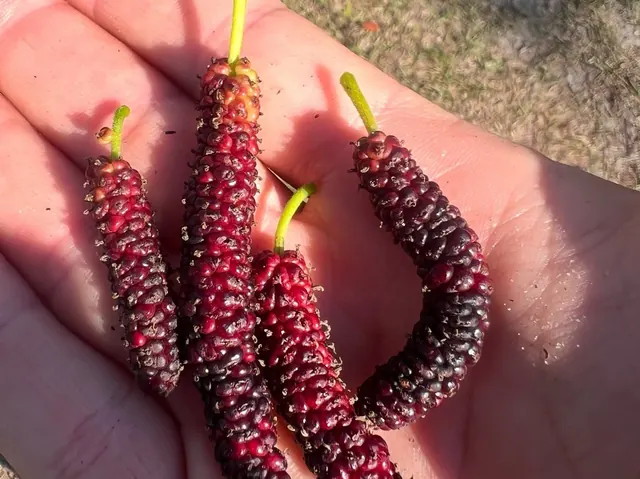
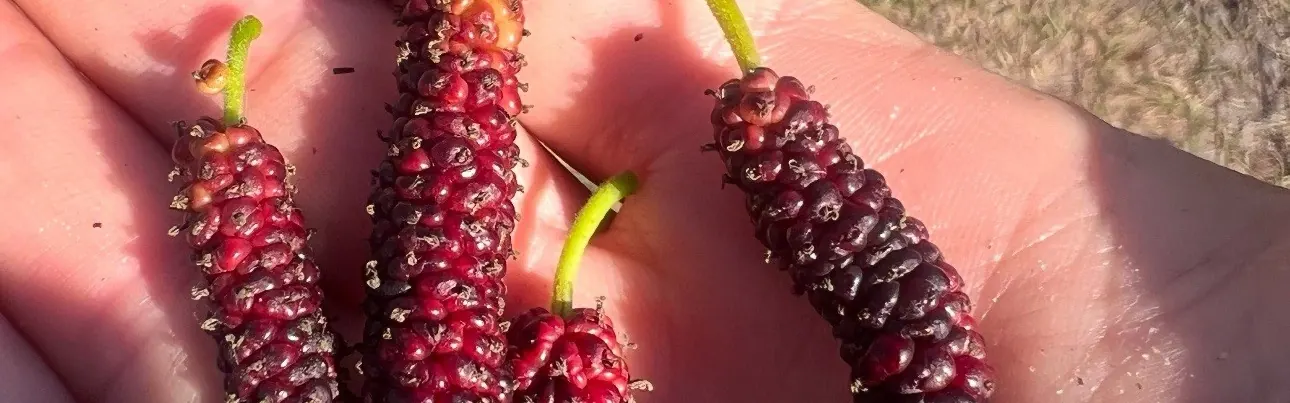
- Mulberry: While [/mulberry] is often propagated by cuttings, some varieties can be started from seed, though fruit quality will vary.
Common Mistakes to Avoid
- Using Non-Viable Seeds: The most common mistake. Always prioritize fresh seeds, especially for tropical fruits that don't store well. Don't use seeds from fruit you bought at a grocery store unless you know it's a non-hybrid and very fresh.
- Overwatering/Underwatering: Young seedlings are very sensitive. Overwatering leads to root rot and damping-off, while underwatering causes wilting and dehydration. The soil should be consistently moist, like a wrung-out sponge, never waterlogged or bone dry.
- Planting Too Deep or Too Shallow: Follow the recommended depth for each seed type. Too deep, and the seedling may not emerge; too shallow, and it may dry out.
- Lack of Drainage: Growing medium without proper drainage guarantees root rot. Always use containers with holes.
- Not Enough Light (after germination): Seedlings need bright light once they emerge. Without it, they become long, spindly, and weak ("leggy").
- Ignoring Temperature: Tropical seeds require warmth. Don't try to germinate them in a cold garage.
- Forgetting to Acclimate (Harden Off): Moving seedlings directly from a sheltered environment to full sun will shock and potentially kill them. Gradually introduce them to outdoor conditions over a week or two.
- Impatience: Tropical fruit seeds can take a long time to germinate and even longer to produce fruit. Enjoy the process! While scarlet beauty plums (referenced as [/scarlet-beauty-plum]) are excellent, they are typically grafted for reliable fruiting, not commonly started from seed for fruit production.
FAQ
Q1: How long will it take for my seed-grown fruit tree to produce fruit? A: This varies immensely by species. Loquats and Surinam cherries might produce in 2-5 years, while avocados or mangoes can take 5-15 years or even longer. Grafted trees almost always fruit sooner.
Q2: Will the fruit from my seed-grown tree be identical to the parent fruit? A: Not necessarily. Because seed propagation is sexual reproduction, there's genetic variation. The fruit might be similar, but it could also be quite different – potentially better, worse, or just distinct. This is less an issue for "true-to-type" seeds like loquat and Surinam cherry.
Q3: Can I start any tropical fruit tree from seed? A: While you can attempt to start almost any fruit from seed, many preferred varieties of tropical fruits (like most mangos, lychees, or specific avocado cultivars) are propagated vegetatively (grafting, cuttings) to ensure consistent fruit quality and faster fruiting. However, for those keen on a project, plants like loquat, Surinam cherry, some mulberries, and even avocado are great candidates for seed-starting adventure. If you're looking for plants that reliably start from cuttings, check out our guide on [/fruit-plants-start-from-cuttings].
Q4: My seeds aren't germinating. What am I doing wrong? A: Common culprits include: old/non-viable seeds, improper temperature (too cold), incorrect planting depth, too much or too little moisture, or a hard seed coat that needs scarification. Re-evaluate your steps against the specific needs of the fruit in question.