Propagating tropical fruit plants from cuttings is a rewarding and cost-effective way to expand your home orchard. It allows you to produce genetically identical copies of a favorite, high-performing specimen, ensuring traits like fruit quality, disease resistance, and growth habit are preserved. This guide delves into the art and science of starting fruit plants from cuttings, with a specific focus on what thrives in South Florida's unique subtropical environment.
What Are Fruit Plants You Can Start From Cuttings?
Starting fruit plants from cuttings refers to asexual propagation, where a section of a parent plant's stem, root, or leaf is used to generate a new, independent plant. This new plant is a clone, meaning it possesses the exact genetic makeup of the original. For fruit plants, this is invaluable as it bypasses the genetic variability inherent in seed propagation. Unlike seeds, which can produce offspring with unpredictable fruit quality (often inferior to the parent, especially in hybrids or open-pollinated varieties), cuttings guarantee a true-to-type reproduction. The types of cuttings include softwood (new, flexible growth), semi-hardwood (partially matured wood), and hardwood (dormant, mature wood), each suited to different plant species and times of year.
Why This Matters for Florida Growers
Florida's climate, characterized by warm temperatures, high humidity, and a long growing season, presents both opportunities and challenges for fruit plant propagation. For Florida growers, understanding which fruit plants take well from cuttings is crucial for several reasons:
- Preserving Superior Varieties: Many beloved tropical fruit varieties, like specific mulberry cultivars or fig selections, perform exceptionally well in Florida. Cuttings allow you to easily replicate these top performers without relying on specialized nurseries for pre-grafted plants, which can be more expensive or harder to find.
- Adapting to Local Conditions: A plant that thrives in your neighbor's yard is already demonstrating its suitability for local soil, pests, and microclimate. Propagating from such a plant ensures you start with genetics proven to succeed in your specific area.
- Cost-Effectiveness: Purchasing mature fruit trees can be a significant investment. Starting cuttings yourself dramatically reduces costs, allowing you to grow a larger diversity of plants on a budget.
- Speed to Fruiting: While not as fast as a mature grafted tree, plants grown from cuttings generally fruit sooner than those grown from seed, as they bypass the juvenile phase.
- Experimentation: For adventurous gardeners, cutting propagation opens the door to experimenting with different rooting mediums, hormones, and environmental conditions to find what works best for various species in a South Florida context.
- Community Sharing: Propagating from cuttings fosters a wonderful culture of sharing among gardening enthusiasts, enabling the exchange of rare or desirable fruit varieties within local communities.
Step-by-Step Guide: How to Propagate Fruit Plants from Cuttings
Successful propagation hinges on attention to detail and providing the right conditions. Here’s a general guide applicable to most fruit plants started from cuttings in South Florida:
- Select the Right Parent Plant: Choose a healthy, vigorous, disease-free parent plant that you know produces excellent fruit. Avoid plants showing signs of stress, pests, or disease.
- Timing is Key:
- Softwood Cuttings: Best taken in late spring to early summer when new growth is supple but firm. Examples: Mulberry.
- Semi-Hardwood Cuttings: Taken from late summer through fall after a flush of growth has matured slightly. This is common for many tropical shrubs. Examples: Surinam Cherry.
- Hardwood Cuttings: Taken in late fall or winter when the plant is dormant. Examples: Fig.
- Florida Specific: Our mild winters mean dormancy is less pronounced. Focus on periods just after a growth flush, ensuring the wood is adequately matured but still active. Avoid taking cuttings during extreme heat or drought.
- Prepare Your Tools: Use sharp, sterile pruning shears or a knife. Sterilize tools with rubbing alcohol or a 10% bleach solution between plants to prevent disease spread.
- Take the Cuttings:
- Select a healthy stem section, typically 4-8 inches long, with at least 3-4 nodes (where leaves or branches emerge).
- Make a clean cut just below a node.
- Remove all but the top 2-4 leaves to reduce moisture loss. If leaves are very large, cut them in half horizontally.
- For Hardwood Cuttings: Ensure the cutting has several nodes and a clean cut at the bottom.
- Prepare the Cuttings:
- Wounding (Optional but Recommended for some): For semi-hardwood and hardwood cuttings, lightly scrape a small strip of bark about 1 inch long on opposite sides at the very bottom of the cutting. This exposescambium tissue, where roots will form.
- Rooting Hormone: Dip the bottom 1 inch of the cutting into a rooting hormone powder or gel. Tap off excess. Rooting hormones contain auxins that stimulate root development.
- Plant the Cuttings:
- Rooting Medium: Use a well-draining, sterile medium. A mix of perlite and peat moss (50/50), coarse sand, or coconut coir works well. Avoid garden soil, as it can harbor pathogens and retain too much moisture.
- Planting: Make a hole in the rooting medium with a pencil or stick to avoid rubbing off the rooting hormone. Insert the cutting deeply enough so that at least one node is buried, and about a third to half of the cutting is in the medium.
- Spacing: If planting multiple cuttings, ensure adequate space to prevent disease and allow for air circulation.
- Provide the Right Environment:
- Humidity: This is paramount for success. Cuttings lack roots to absorb water, so high humidity prevents desiccation. Use a humidity dome, a clear plastic bag over the pot, or a propagation box. Mist frequently (2-3 times a day) if not enclosed.
- Temperature: Maintain warm temperatures (70-80°F or 21-27°C) for optimal root development. In South Florida, this is often easy to achieve naturally.
- Light: Provide bright, indirect light. Direct scorching sun will desiccate cuttings.
- Moisture: Keep the rooting medium consistently moist but not waterlogged.
- Monitor and Pot On:
- Rooting time varies greatly, from a few weeks to several months. Gently tugging a cutting will indicate resistance if roots have formed.
- Once a good root system has developed (usually visible through the drainage holes or when unpotting), gradually acclimate the young plant to lower humidity over a week or two before potting it into a slightly larger container with a general potting mix.
- Protect young plants from direct, harsh sun and strong winds for several weeks after potting on.
Best Practices & Pro Tips for Florida Growers
- Embrace Humidity: Florida's natural humidity is a huge asset. Utilize it.
- Bottom Heat: For slower rooters or during cooler months, a heating mat placed under the propagation tray can significantly speed up root development by warming the rooting medium.
- Misting Systems: For larger-scale propagation, an intermittent misting system provides ideal humidity and moisture.
- Shade Cloth: Protect newly planted cuttings and young rooted plants from the intense Florida sun with 30-50% shade cloth, especially during summer.
- Air-Layering: For some plants difficult to root from cuttings (like certain citrus), air-layering can be a highly effective alternative. This involves inducing roots on a stem while it's still attached to the parent plant.
- Experiment with Mediums: Different plants may prefer different rooting mediums. Keep notes on what works best for each species.
Common Mistakes to Avoid
- Using Non-Sterile Tools: Introduces pathogens that can quickly kill cuttings.
- Lack of Humidity: The single biggest reason for cutting failure. Cuttings will dry out before roots can form.
- Overwatering: While moisture is needed, waterlogged conditions lead to fungal diseases and rot.
- Too Much Sunlight: Direct sun will scorch and dehydrate delicate cuttings.
- Impatience: Rooting takes time. Don't constantly pull up cuttings to check for roots, as this damages emerging rootlets.
- Taking Cuttings From Stressed Plants: Weak parent plants yield weak cuttings with less energy to root.
- Ignoring Cuttings After Rooting: Young rooted plants are still vulnerable. Acclimatize them gradually to normal growing conditions.
Fruit Plants You Can Start From Cuttings - Florida Edition
Here's an expanded look, especially tailored for our South Florida climate:
Easy From Cuttings (High Success Rate for Florida Growers)
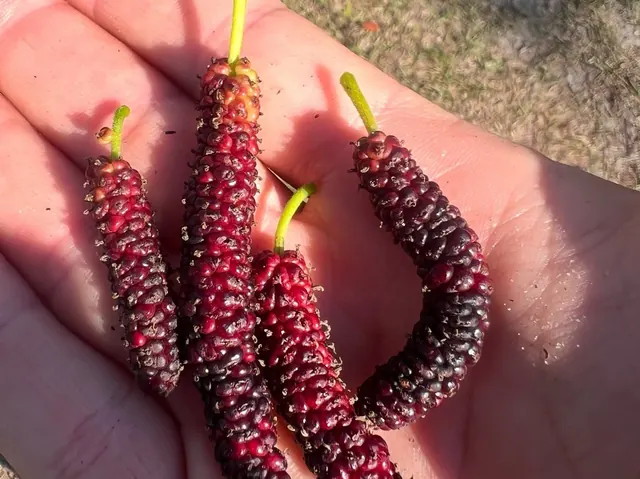
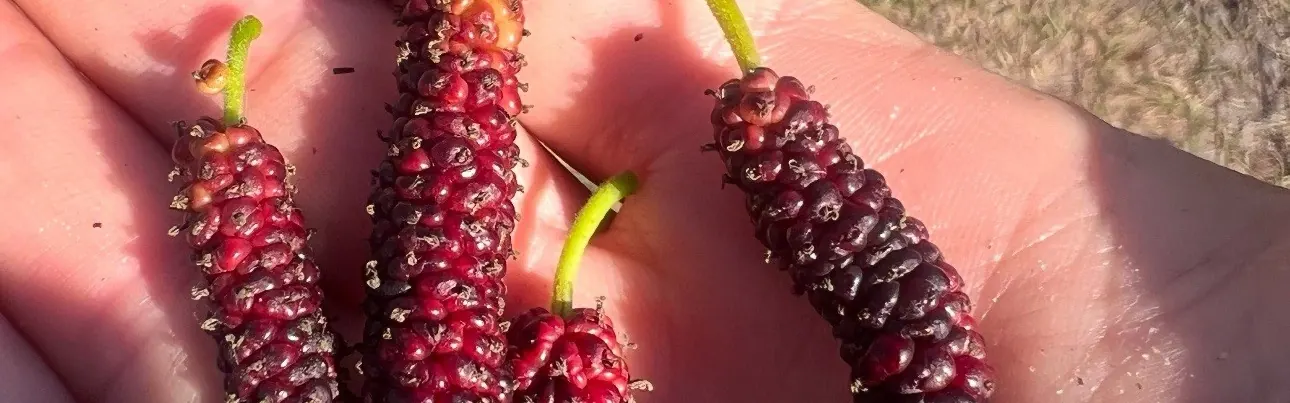
- Mulberry (Morus spp.): A fantastic choice for beginners. Both hardwood and semi-hardwood cuttings root readily, often in just 2-4 weeks. Take cuttings from actively growing, pencil-thick stems. /mulberry
- Fig (Ficus carica): Another remarkably easy fruit tree to propagate from hardwood cuttings. Take 6-10 inch sections of dormant, mature wood in late winter/early spring. They root quickly. /fig
- Roselle (Hibiscus sabdariffa): Though often grown from seed for its annual habit, roselle roots incredibly fast from 4-6 inch softwood stem cuttings, allowing for quicker harvest of its calyces.
- Passion Fruit (Passiflora spp.): Many passion fruit varieties, including the popular /purple-possum-passion-fruit, root easily from semi-hardwood cuttings taken after a flush of growth. They prefer warm, humid conditions.
- Dragon Fruit (Hylocereus undatus): This cactus is exceptionally easy to propagate. Simply cut off a section of cladode (stem), let it callus over for a few days in a dry, shady spot, and then plant it in well-draining soil. It roots very quickly.
- Plumeria (Frangipani) (for edible species like P. rubra – known for its flowers but some roots are consumed): While primarily ornamental, Plumeria is one of the easiest plants to root from large hardwood cuttings, which is a good indicator of plants with high latex content. /plumeria-frangipani
- Calamondin (Citrus x microcarpa): While many citrus are challenging, calamondin is one of the more amenable citrus relatives to root from semi-hardwood cuttings, especially with rooting hormone and high humidity.
Moderate Difficulty (Requires More Care & Attention)
- Surinam Cherry (Eugenia uniflora): Semi-hardwood cuttings strike best. Use rooting hormone and maintain high humidity. Rooting can take longer, typically 6-12 weeks. /surinam-cherry
- Some Citrus (e.g., Key Lime, Lemon, some Mandarins): Generally, citrus is more challenging from cuttings than from grafting. Semi-hardwood cuttings with rooting hormone and consistent bottom heat and humidity offer the best chance of success. Avoid trying to root all citrus this way, as success rates vary wildly. It's often better to buy grafted trees for named varieties.
- Star Fruit (Carambola) (Averrhoa carambola): Can be rooted from semi-hardwood cuttings, but success rates are often inconsistent without professional misting propagation setups. Grafting is generally preferred for establishing known varieties.
- Loquat (Eriobotrya japonica): While possible from semi-hardwood cuttings, success rates are lower and rooting is slow. Grafting superior varieties onto seedling rootstock is the commercial standard. /loquat
- Jaboticaba (Myrciaria cauliflora): Hardwood cuttings are notoriously difficult to root. Semi-hardwood cuttings with mist and bottom heat can have some success, but it's a slow and challenging process. Most growers opt for seeds or grafted plants.
Better From Seed or Grafting (Low Success Rate for Cuttings)
- Avocado (Persea americana): Almost exclusively propagated by grafting named varieties onto seedling rootstock. Cuttings are extremely difficult to root and rarely worthwhile. /avocado
- Mango (Mangifera indica): Commercially propagated by grafting for reliable fruiting and disease resistance. Cuttings are nearly impossible to root for most home growers.
- Lychee (Litchi chinensis): Primarily propagated by air-layering (marcotting) or grafting. Cuttings have very poor success rates.
- Longan (Dimocarpus longan): Similar to lychee, best propagated by air-layering or grafting.
- Many Tropical/Subtropical Fruit Trees (e.g., Sapodilla, Jackfruit, Mamey Sapote): For consistent quality and vigorous growth of named cultivars, grafting is the method of choice. While certain rare exceptions exist with specialized equipment, for the home grower, cuttings are not a practical option.
Exploring the world of fruit plant propagation from cuttings is an exciting journey for any South Florida gardener. By understanding the specific needs of each plant and applying proven techniques, you can successfully multiply your favorite fruit varieties and enhance your tropical edible landscape. Remember, patience and observation are your greatest allies in this endeavor. For more detailed information on specific cutting techniques and tropical fruit selection, visit our other resources like /tropical-fruit-cuttings-guide and /best-fruiting-plants-florida-growers.