Growing your own delicious, sun-ripened tropical fruit doesn't require acres of land or even a sprawling backyard. With the right selection of plants and thoughtful care, you can transform a balcony, patio, or small urban garden into a productive orchard, bringing the joy of fresh harvests right to your doorstep. This guide will help South Florida growers navigate the exciting world of container-grown fruit.
What Is Container Fruit Gardening?
Container fruit gardening, also known as pot culture or patio gardening, involves growing fruit-bearing plants in pots, raised beds, or other confined vessels rather than directly in the ground. This method is particularly well-suited for urban environments, small backyards, balconies, and even indoors, offering flexibility and control over the plant's environment. It allows gardeners to cultivate a wide array of fruit plants that might otherwise be unsuitable for their in-ground soil conditions or space limitations. The beauty of container gardening lies in its mobility, enabling plants to be easily moved to optimize sunlight exposure, protect them from harsh weather, or simply rearrange a living space.
Why This Matters for Florida Growers
For South Florida gardeners, container fruit gardening is an invaluable technique. Our unique climate, characterized by intense sun, heavy rainfall, high humidity, and occasional cold snaps (especially in northern parts of the region), presents specific challenges and opportunities.
Firstly, many parts of Florida have sandy, nutrient-poor soil that requires significant amendment for optimal fruit production. Container gardening allows you to bypass problematic native soils entirely, providing your plants with a perfectly tailored, well-draining potting mix. This is crucial for tropical fruit plants that often demand specific soil pH and excellent drainage to thrive and prevent root rot, a common issue in overly saturated Florida soils.
Secondly, the compact nature of container plants makes them ideal for homeowners with limited space – a common scenario in Florida's increasingly urbanized environment. Whether you have a small patio, balcony, or just a corner of a lanai, container growing opens up a world of possibilities for fresh harvests.
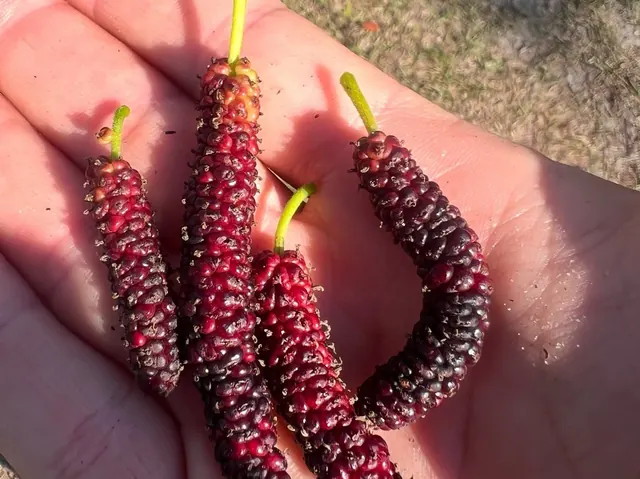
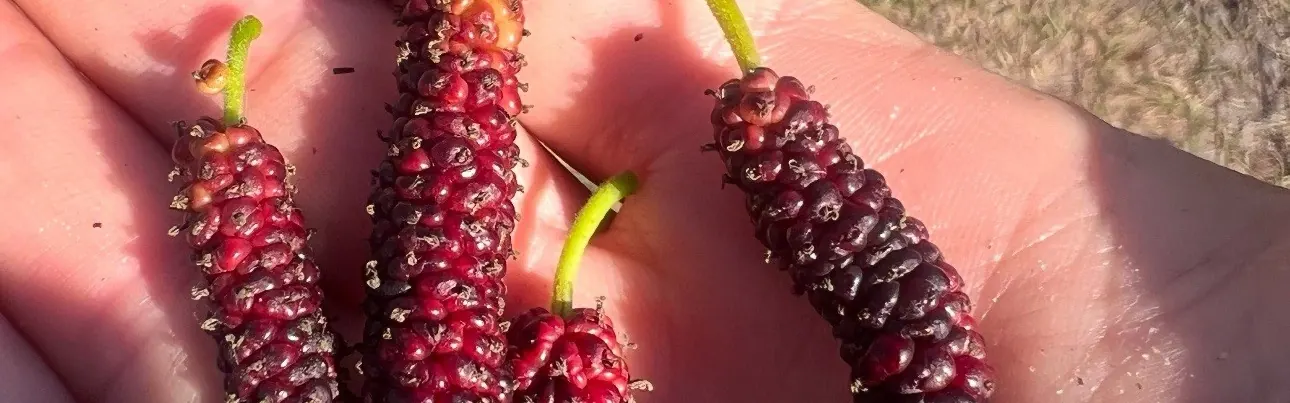
Thirdly, the ability to move plants is a significant advantage, particularly during Florida's hurricane season or unexpected cold fronts. While rare, a sudden drop in temperature can devastate tender tropical fruit plants. Easily movable containers mean you can shelter your prized passion fruit or dwarf mulberry, protecting them from wind, excessive rain, or unseasonably cold nights, thereby extending their productive life and ensuring consistent yields. This flexibility also allows you to optimize sun exposure throughout the year as the sun's angle changes, a key factor for maximizing fruit set.
Step-by-Step Guide to Container Fruit Success
Embarking on your container fruit journey is exciting. Follow these steps for the best results:
1. Choosing the Right Plant
Not all fruit plants are equally suited for containers. Look for varieties labeled "dwarf," "compact," or those known to respond well to pruning. Some excellent choices for Florida growers include: * Figs (e.g., 'Brown Turkey', 'Black Mission'): These are naturally compact and respond very well to pruning. Their unique growth habit makes them excellent beginner container plants. * Dwarf Mulberries (e.g., 'Dwarf Black'): Exceptionally productive in containers as small as 15-gallon. We have '/mulberry' for more info. * Surinam Cherry (/surinam-cherry): Naturally bushy and ornamental, making it a functional edible hedge or a beautiful container specimen. * Loquat (/loquat): Can be kept at a manageable size with regular pruning, offering year-round beauty and delicious fruit. * Passion Fruit (/purple-possum-passion-fruit): While a vigorous vine, it can be grown successfully in large containers with a trellis or support. * Mango (dwarf varieties like 'Ice Cream', 'Cogshall'): Requires larger containers and consistent pruning, but can be very rewarding. * Citrus (e.g., 'Meyer Lemon', 'Lime'): Many citrus varieties thrive in containers, particularly those grafted onto dwarfing rootstock. They are often featured in '/beginner-tropical-fruit-plants-warm-climates'. * Jaboticaba: Slow-growing, but an excellent candidate for long-term container success, known for its unique fruit formation directly on the trunk. * Pineapple: Can be grown easily from a pineapple top in a large pot. * Grumichama: A beautiful, ornamental relative of the Surinam Cherry that does well in containers.
Consider purchasing '/tropical-fruit-starter-plants' from a reputable nursery to ensure vigorous, healthy starts.
2. Selecting the Right Container
The pot size is critical. Start with a container that is appropriate for the plant's current size, typically at least 5-10 gallons for young plants. As the plant grows, you'll need to "pot up" into larger containers. Mature fruiting plants usually require: * 15-gallon to 25-gallon pots: For dwarf mulberries, Surinam cherry, younger mangos, and passion fruit. * 25-gallon to 45-gallon pots (or half whiskey barrels): For mature figs, medium-sized citrus, loquats, and larger dwarf mangos. * Material: Choose containers made from durable materials like terracotta (ensure glazed or sealed to retain moisture in Florida's heat), plastic, fabric grow bags, or glazed ceramic. Always ensure containers have ample drainage holes – add more if necessary.
3. Choosing the Potting Mix
This is perhaps the most crucial step for Florida growers. Do NOT use native garden soil in containers; it compacts easily, drains poorly, and contains pathogens. * Well-draining, high-quality potting mix: Look for a mix specifically formulated for containers, often containing peat moss, pine bark fines, perlite, and/or vermiculite. This ensures good aeration and drainage while retaining some moisture. * Amending the mix: For tropical fruit, you might want to add: * Compost or well-aged manure: For nutrients and improved water retention. * Perlite or coarse sand: To further enhance drainage. * Slow-release granular fertilizer: To provide a steady supply of nutrients.
4. Planting Your Fruit Tree
- Hydrate the plant: Water the plant thoroughly in its nursery pot before transplanting.
- Add drainage layer (optional but recommended): A layer of large gravel or broken terracotta pieces at the bottom of the pot can help prevent soil from blocking drainage holes.
- Fill with mix: Add enough potting mix so that the top of the root ball is 1-2 inches below the rim of the new container, leaving space for watering.
- Place the plant: Gently remove the plant from its nursery pot. If roots are circling, tease them apart gently. Center the plant in the new container. The plant's root collar (where the trunk meets the roots) should be level with, or slightly above, the potting mix surface.
- Fill and water: Backfill around the root ball with potting mix, gently firming to remove air pockets. Water thoroughly until water drains from the bottom of the pot.
5. Ongoing Care
- Watering: Container plants dry out much faster than in-ground plants, especially in Florida's heat and humidity. Water deeply and consistently. Check soil moisture daily by sticking your finger 2 inches into the mix. If it feels dry, it's time to water. Overhead irrigation is common, but be mindful of fungal issues in high humidity. Drip irrigation or saucers that allow bottom watering can be beneficial.
- Fertilizing: Container plants deplete nutrients quickly. During the growing season (spring through fall in Florida), fertilize regularly.
- Use a balanced slow-release granular fertilizer formulated for fruit trees.
- Supplement with a liquid feed every 2-4 weeks.
- '/best-fruiting-plants-florida-growers' details specific nutrient needs. Consider micronutrients like chelated iron if leaves show yellowing.
- Pruning: Essential for maintaining size, promoting air circulation, and encouraging fruit production. Prune to shape the plant, remove dead or diseased branches, and thin out overcrowded areas. For figs and mulberries, pruning encourages more fruit. Learn more in '/tropical-fruit-cuttings-guide' for understanding plant response to pruning.
- Repotting/Potting Up: As your plant grows, its roots will fill the container. Every 1-3 years, depending on growth, you'll need to either repot into a larger container or root-prune the plant and refresh the potting mix in the same container. Signs a plant needs repotting include: water draining too quickly, roots growing out of drainage holes, stunted growth, or the plant toppling over easily.
Best Practices & Pro Tips
- Sunlight is Key: Most fruit plants need at least 6-8 hours of direct sunlight per day to produce well. Position your containers accordingly.
- Air Circulation: Ensure good airflow around your container plants to prevent fungal diseases, especially in Florida's humid climate. Don't crowd them.
- Mulch: A thin layer of mulch (pine bark, shredded leaves) on top of the potting mix can help conserve moisture, regulate soil temperature, and suppress weeds.
- Pest and Disease Management: Regularly inspect your plants for signs of pests or diseases. Early detection makes control much easier. Many common issues of young plants are covered in '/how-to-establish-young-tropical-fruit-plants'.
- Support: Provide stakes or trellises for vining plants like passion fruit or for young plants with weak trunks.
- Winter Protection: Even in South Florida, tender plants can suffer if temperatures dip into the 30s. Move sensitive plants indoors, under an overhang, or cover them with frost cloth.
Common Mistakes to Avoid
- Under-sizing Containers: Starting with too small a pot will stunt growth and lead to frequent repotting. Always err on the side of slightly larger.
- Using Garden Soil: This is a recipe for disaster in containers, leading to compaction, poor drainage, and root issues.
- Inconsistent Watering: Allowing the soil to completely dry out or keeping it waterlogged will stress the plant and negatively impact fruit production.
- Neglecting Fertilization: Container plants are "hungry." Consistent, appropriate feeding is crucial for healthy growth and fruiting.
- Ignoring Pruning: Without regular pruning, many container fruit plants become leggy, unproductive, and unmanageable.
- Ignoring Drainage Holes: Always check that any pot you use has adequate drainage. Blocked holes will lead to root rot.
- Over-fertilizing: While essential, too much fertilizer, especially synthetic, can burn roots. Follow recommended dosages carefully.
FAQ
Q1: How often should I water my container fruit plants in South Florida? A1: In South Florida's heat, particularly during the dry season or peak summer, you might need to water daily or every other day. Always check the top 2 inches of soil; if dry to the touch, it's time to water. During the rainy season, you might water less frequently.
Q2: Can I grow a full-sized mango tree in a container? A2: While technically possible, it's not practical for most home growers. Full-sized mango trees become very large. Focus on dwarf mango varieties like 'Ice Cream,' 'Cogshall,' or 'Carrie' for container growing, and expect to keep them pruned to 6-8 feet tall in a 25-45 gallon container.
Q3: What kind of fertilizer is best for container fruit plants? A3: A balanced slow-release granular fertilizer formulated for fruit trees (e.g., 6-8-10, 8-2-12 etc. with micronutrients) is a good start. Supplement with a balanced liquid feed (e.g., 7-9-5) every few weeks during the growing season. For specific plants, like citrus, consider specialized citrus fertilizers.
Q4: My container fruit tree isn't producing fruit. What could be wrong? A4: Several factors can cause a lack of fruiting: * Insufficient Sunlight: Most fruit needs 6-8+ hours of direct sun. * Immature Plant: Many plants need a few years to mature before fruiting. * Nutrient Imbalance: Especially a lack of phosphorus (middle number in NPK) can hinder fruiting. * Incorrect Pollination: Some plants require cross-pollination. Ensure you have compatible varieties if needed. * Overwatering/Underwatering: Stress from inconsistent watering can prevent fruiting. * Pruning at the Wrong Time: Pruning off flower buds can eliminate fruit production for the season. * Container Size: If the plant is too root-bound, it may cease fruiting.