Beyond the tomatoes and peppers of a standard vegetable garden lies a world of rare edible plants and useful garden specimens that thrive in warm climates. These are the plants your neighbors will ask about — unusual herbs with flavors you cannot find in grocery stores, ornamental edibles that double as landscape showpieces, and hardy perennials that produce year after year with almost no maintenance.
At Demo Kotsonis Plants we grow and sell a curated selection of these uncommon species from our coastal Florida nursery. This guide is your starting point for exploring rare edible and useful plants suited to USDA zones 9–11.
What Makes a Plant "Rare" or "Useful"?
In the gardening world, "rare" does not always mean endangered or impossible to find. Often it simply means a plant is underrepresented in mainstream nurseries despite being easy to grow and highly valuable. What Makes a Plant Rare or Hard to Find digs deeper into this topic.
"Useful" refers to plants that serve a purpose beyond pure ornament: they may be edible, medicinal, pest-repelling, pollinator-attracting, or multi-functional in the landscape. The best useful garden plants do double duty — looking beautiful while also feeding you.
Our Top Rare Edible Plants
Cuban Oregano (Plectranthus amboinicus)
Cuban oregano is not a true oregano — it is a thick-leaved succulent herb with a bold, peppery flavor that is stronger than Mediterranean oregano. It thrives in Florida's heat and humidity where traditional oregano struggles. Use it fresh in Cuban black beans, Caribbean stews, and anywhere you want an assertive herb flavor. It propagates effortlessly from stem cuttings.
Cranberry Hibiscus (Hibiscus acetosella)
Cranberry hibiscus is one of our most popular dual-purpose plants. Its deep burgundy, maple-shaped leaves are stunning in the landscape, and the young leaves have a tart, cranberry-like flavor perfect for salads, smoothies, and teas. It grows 4–6 feet tall in a single season and reseeds freely in warm climates.
Roselle (Hibiscus sabdariffa)
Roselle produces the fleshy calyces used to make hibiscus tea — one of the most popular beverages in the Caribbean and West Africa. It grows as an annual in most zones but can perennialize in zone 10+. The calyces are harvested in fall and can be used fresh, dried, or made into jam.
Mexican Mint / Spanish Thyme (Coleus amboinicus)
Mexican mint and Spanish thyme are closely related to Cuban oregano and share its heat tolerance and ease of propagation. They add complex, savory flavors to tropical cuisine.
Lava Burst Ornamental Pineapple
The Lava Burst ornamental pineapple produces a stunning red-orange fruit on a compact rosette of strappy leaves. While the fruit is small and mostly ornamental, the plant itself is a conversation starter in any tropical garden or patio container.
Useful Garden Plants Beyond Edibles
Crinum Lilies
We carry two exceptional crinum varieties: Crinum Lily Ellen Bosanquet with its wine-red flowers and Crinum Burgundy Menehune with deep burgundy foliage. Crinums are virtually indestructible once established — they tolerate drought, flooding, salt spray, and neglect. They make outstanding low-maintenance border plants.
Warm-Climate Edible Herbs
Our warm-climate edible herbs collection focuses on species that actually thrive in summer heat rather than bolting like traditional herbs. These include Cuban oregano, cranberry hibiscus, and several varieties of tropical mint.
Growing Rare Edible Plants in Your Garden
Site Selection and Soil
Most rare edible plants prefer: - Full sun to partial shade (6+ hours of direct sun) - Well-drained soil — amend heavy clay or pure sand with compost - Consistent moisture during establishment, though many become drought-tolerant once rooted
Container Growing
Many of our rare edible plants excel in containers. Container-Friendly Edible Plants covers the best picks for patio growing. Cuban oregano, cranberry hibiscus, and ornamental pineapple all perform beautifully in 3–5 gallon pots.
Perennial Advantage
One of the greatest benefits of growing rare edible plants in warm climates is that many are perennial — they come back year after year without replanting. Perennial Edible Plants for Hot Climates covers the best options for a low-maintenance edible landscape.
Building a Useful Garden: Design Ideas
A useful garden does not have to look utilitarian. Here are design strategies we use at our own nursery:
- Edible borders — line walkways with cranberry hibiscus and Cuban oregano for color and function
- Pollinator islands — group roselle and Mexican sunflower to attract butterflies and bees
- Tropical herb spirals — stack multiple herb species in a raised spiral bed for visual interest and easy harvesting
- Specimen focal points — use ornamental pineapple or crinum as anchor plants in mixed borders
For more ideas, see Useful Garden Plants Beyond Common Vegetables and Specialty Herbs for Warm-Climate Growers.
Rare Plants for Collectors
If you are drawn to the unusual and hard-to-find, our guides on Collector-Friendly Tropical Plants, Limited-Availability Plants and How to Choose Them, and How to Buy Rare Plants Online offer practical advice for sourcing and caring for specialty specimens.
Frequently Asked Questions
What is the easiest rare edible plant to grow?
Cuban oregano. It is nearly impossible to kill in zones 9–11, roots from cuttings in days, and produces harvestable leaves within weeks of planting.
Can I grow rare edible plants from seed?
Some, like roselle and cranberry hibiscus, grow readily from seed. Others, like Cuban oregano, are almost exclusively propagated from cuttings because they rarely set viable seed.
Are rare edible plants safe to eat?
Every edible plant we sell has a well-documented history of culinary use. However, always identify plants correctly before consuming, and introduce new foods gradually in case of individual sensitivities.
Do rare edible plants need special fertilizer?
Most do well with a balanced organic fertilizer applied 2–3 times during the growing season. Avoid heavy nitrogen on herbs, which can reduce essential oil concentration and flavor intensity.
Where do I start if I am new to rare edible plants?
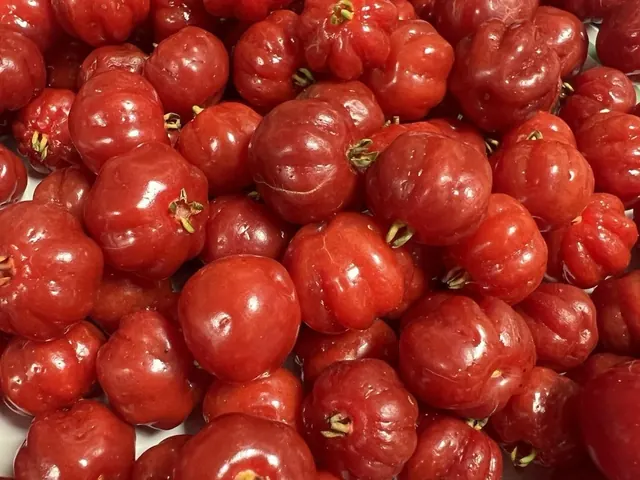
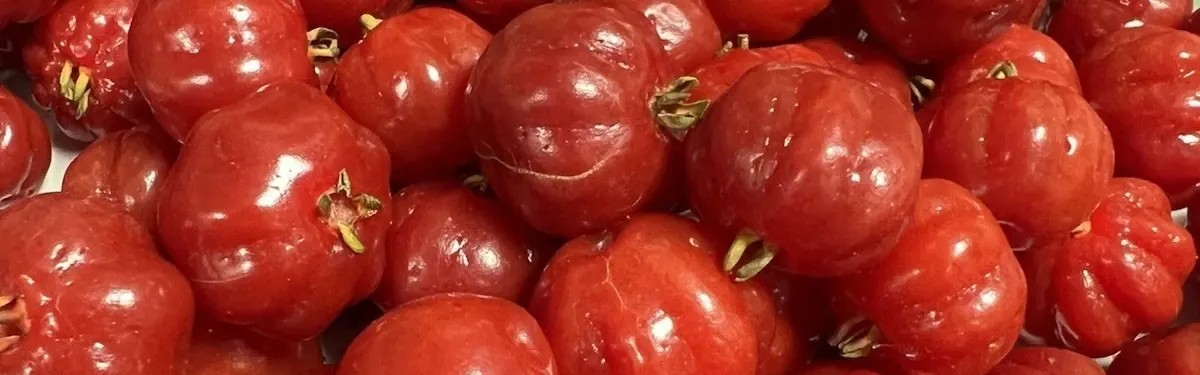
Begin with our guide on Easy Edible Plants for Beginners and pick 2–3 species that match your growing conditions. Cuban oregano, cranberry hibiscus, and Surinam cherry are our top beginner recommendations.
Explore Our Rare Edible Plant Collection
Browse edible plants, tropical plants, and ornamental plants in our shop. Every plant is grown in our Florida nursery and ships with growing instructions tailored to your zone.