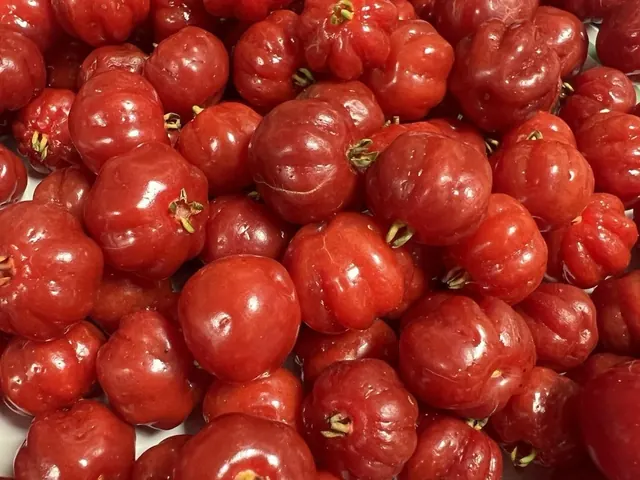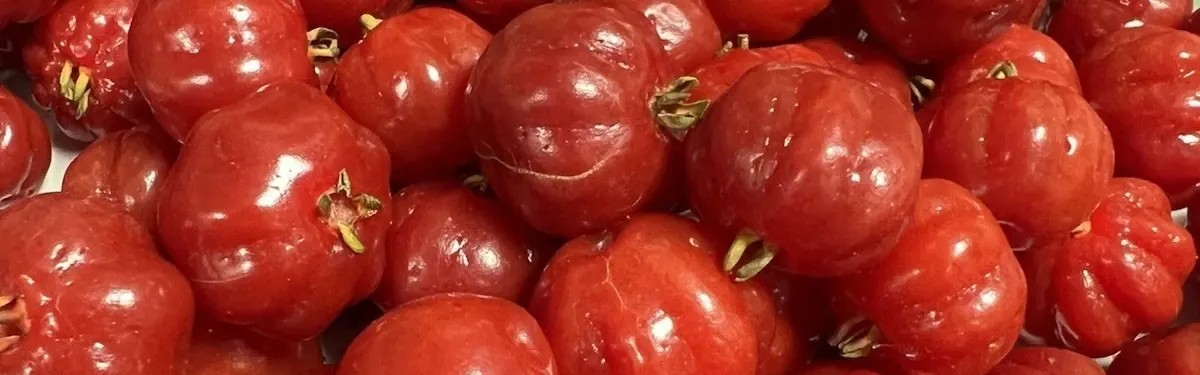
Tropical flair is just a pot away with the stunning 'Lava Burst' Ornamental Pineapple! This unique bromeliad brings vibrant color and a touch of the exotic to any garden or patio, delighting growers with its compact size and captivating fruit. Get ready to add a burst of sunshine to your South Florida landscape.
Overview
The 'Lava Burst' Ornamental Pineapple, botanically known as Ananas comosus 'Lava Burst', is a striking cultivar of the common edible pineapple. Unlike its culinary cousin, this variety is primarily grown for its breathtaking visual appeal, boasting incredibly vivid, deep red to fuchsia mini pineapples that emerge from attractive, spiky green foliage. It's a fantastic choice for containers, rock gardens, or as an accent plant in frost-free climates.
| Feature | Details |
|---|---|
| Botanical Name | Ananas comosus 'Lava Burst' |
| Common Name | 'Lava Burst' Ornamental Pineapple |
| Plant Type | Tropical Bromeliad, Perennial |
| Mature Size | 1-2 feet tall and wide |
| Sun Exposure | Full sun to partial shade |
| Soil Type | Well-draining, slightly acidic |
| Bloom Time | Typically summer, but can be year-round in ideal tropical conditions (fruit is the highlight) |
| Flower Color | Small, inconspicuous purple-blue flowers; main attraction is the fruit |
| Foliage Color | Green, often with reddish tints in bright sun |
| Fruit | Small (3-6 inches), inedible (though technically not toxic), vibrant red-fuchsia pineapples |
| USDA Zones | 10-11 (grown as an annual or houseplant in colder climates) |
| Native Area | Cultivar, parent species from South America |
Growing Conditions
Light: 'Lava Burst' thrives in full sun, which accentuates the brilliant red coloration of its fruit and can even bring out reddish hues in the foliage. It can tolerate partial shade, especially in the hottest parts of the day, but too much shade will result in less vibrant fruit and potentially fewer pups. In South Florida, choose a spot that gets at least 6 hours of direct sunlight daily.
Soil: Like all bromeliads, excellent drainage is crucial. Use a well-draining potting mix for containers – an orchid mix or a blend with perlite, bark, and peat moss works well. For in-ground planting, amend heavy clay soils with organic matter to improve drainage. A slightly acidic to neutral pH (5.5-6.5) is ideal.
Water: Water regularly, especially during dry periods, allowing the top inch or two of soil to dry out between waterings. Unlike many bromeliads, pineapples don't have a central "cup" to hold water (though some water can collect at the base of the leaves). Ensure consistent moisture, but never let the plant sit in soggy soil, as this will lead to root rot. Reduce watering in cooler months.
Temperature: Being a tropical plant, 'Lava Burst' loves warmth. Ideal temperatures range from 65°F to 95°F (18°C to 35°C). It is extremely sensitive to frost and cold, making it perfectly suited for USDA Zones 10-11 found in South Florida. Protect from temperatures below 40°F (4°C).
USDA Zones: 10-11. In South Florida, these plants are robust outdoor performers.
Care & Maintenance
Fertilizing: Feed lightly during the growing season (spring and summer) with a balanced liquid fertilizer diluted to half strength. You can also use a slow-release granular fertilizer once in spring. Avoid over-fertilizing, which can lead to lush foliage at the expense of fruit production.
Pruning: Minimal pruning is required. Remove any dead or yellowing outer leaves as needed to maintain a tidy appearance. After the main plant has produced its fruit, it will slowly decline and eventually die, but not before producing "pups" or offsets at its base, which can be separated.
Pest and Disease Control: 'Lava Burst' is generally quite resilient. Keep an eye out for common pests like scale insects, mealybugs, and mites, especially on the undersides of leaves. Treat with insecticidal soap or neem oil if infestations occur. The primary disease concern is root rot, caused by overwatering.
Propagation Tips
The primary method of propagating 'Lava Burst' Ornamental Pineapple is through plantlets, commonly called "pups" or "slips," which emerge from the base of the mother plant after it has fruited.
- Harvest Pups: Once the pups are about 6-8 inches tall and have developed their own root system (you might see small root nubs), carefully twist or cut them from the parent plant using a clean, sharp knife.
- Dry: Allow the cut end of the pup to dry and callus over for a few days in a shaded, airy location. This prevents rot when planting.
- Plant: Plant the callused pup in a well-draining pot filled with a suitable potting mix, burying the bottom 2-3 inches.
- Water & Wait: Water lightly. Keep the soil consistently moist but not waterlogged. New roots should form within several weeks, and the plant will begin to grow.
Common Problems & Solutions
- No Fruit Production:
- Cause: Insufficient sunlight, age of the plant (needs to be mature enough), or lack of pollination (though ornamental varieties often set fruit without extensive pollination).
- Solution: Ensure ample sunlight. A mature plant might need a "jumpstart" – some growers place an apple near the plant for a week or two, as the ethylene gas released by the apple can induce flowering, though this isn't always necessary for specific cultivars like 'Lava Burst'.
- Rotting Base/Leaves:
- Cause: Overwatering, poor drainage, or cold temperatures.
- Solution: Improve drainage, reduce watering frequency, and ensure the plant is in a warm, frost-free environment.
- Fading Fruit Color:
- Cause: Not enough direct sunlight.
- Solution: Move the plant to a brighter location with more full sun exposure.
Why Grow This Plant?
The 'Lava Burst' Ornamental Pineapple is a showstopper, plain and simple. Its vibrant, almost glowing red fruits are an absolute conversation starter and bring unparalleled tropical flair to any setting. Perfect for containers on a sunny patio, as a bold accent in a garden bed, or even as a unique houseplant in a bright spot, it requires relatively low maintenance once established. For South Florida dwellers, it’s an effortless way to inject year-round exotic beauty and a touch of the unexpected into your landscape. It's a plant that truly delivers on its promise of dramatic visual impact!