Florida's unique subtropical climate offers an extraordinary opportunity for home gardeners to cultivate a diverse array of edible plants that would simply not thrive in more temperate zones. Moving beyond conventional garden mainstays, we can transform our South Florida landscapes into abundant, year-round sources of fresh, delicious, and often highly nutritious produce.
What Are the Best Edible Plants for Florida?
The "best" edible plants for Florida are those that are uniquely adapted to our specific environmental conditions: the intense heat, high humidity, often sandy soils, and distinct wet and dry seasons. These are typically tropical and subtropical species, many of which are perennial, offering multiple harvests rather than a single seasonal yield. They embrace our warmth and humidity, resist many common pests and diseases that plague temperate crops here, and provide a consistent supply of food with less effort once established. Instead of fighting against nature, we aim to work with it, selecting plants that naturally flourish in our South Florida haven.
Why This Matters for Florida Growers
Florida's climate, while a blessing for many tropical plants, is often a challenge for traditional temperate vegetables like broccoli, lettuce, and many common fruits. Attempting to grow these can lead to frustration, pest infestations, and lackluster yields. By focusing on edibles specifically suited to our region, Florida growers can achieve greater success, higher yields, and more resilient gardens. This approach not only conserves water and resources but also introduces a fantastic array of unique flavors and nutritional benefits. Furthermore, growing climate-appropriate edibles often means embracing perennial plants that require less fuss over time, contributing to a more sustainable and rewarding gardening experience. It also fosters food security by reducing reliance on produce shipped from distant, often temperate, regions, and helps preserve local biodiversity.
Step-by-Step Guide to Cultivating Top Florida Edibles
Successfully growing the best edible plants in Florida involves understanding our environment and selecting the right plant for the right place.
1. Assess Your Site Conditions
- Sunlight: Most edibles need at least 6 hours of direct sun. In South Florida's intense summer, some may benefit from partial afternoon shade. Observe your yard throughout the day and year.
- Soil: Florida's native soils are often sandy and nutrient-poor, or at times heavy and poorly draining (marl). Don't fight it; amend it.
- Drainage: Good drainage is crucial. Raised beds or amending with plenty of organic matter can significantly improve conditions.
- Water Access: Plan for irrigation, especially during the dry season (typically October-May).
- Space: Consider the mature size of trees and large shrubs.
2. Choose Your Plants Wisely
Focus on heat-loving, humidity-tolerant, and often perennial options. Beyond the list provided below, research plants like Cuban Oregano or Mexican Mint for your herb collection. Explore our resources on Perennial Edible Plants for Hot Climates and Unusual Edible Plants Worth Growing.
Top Contenders for Florida Growers:
- Roselle (Hibiscus sabdariffa): A standout for its edible calyces (used for teas, jams, sauces) and leaves (similar to spinach).
- Growing: Plant seeds or starts in late spring/early summer. Thrives in full sun and well-drained soil. Water regularly. Expect harvest in Florida fall.
- Pro-Tip: Pinch back young plants to encourage bushiness and more calyx production. Check out our detailed guide on Cranberry Hibiscus — Growing Guide and Plant Profile, as Roselle is a close relative with similar care needs.
- Cuban Oregano (Plectranthus amboinicus): A succulent herb with a robust oregano-like flavor.
- Growing: Extremely easy from cuttings. Plant in well-drained soil in full sun to partial shade. Drought tolerant once established. Perfect for container gardening too – see Container-Friendly Edible Plants.
- Pro-Tip: Too much water can lead to root rot. Let the soil dry out between waterings. Use fresh or dried in Caribbean and Hispanic cuisines.
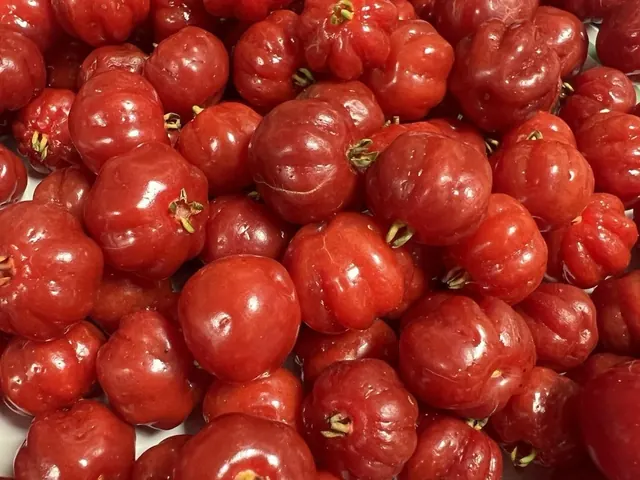
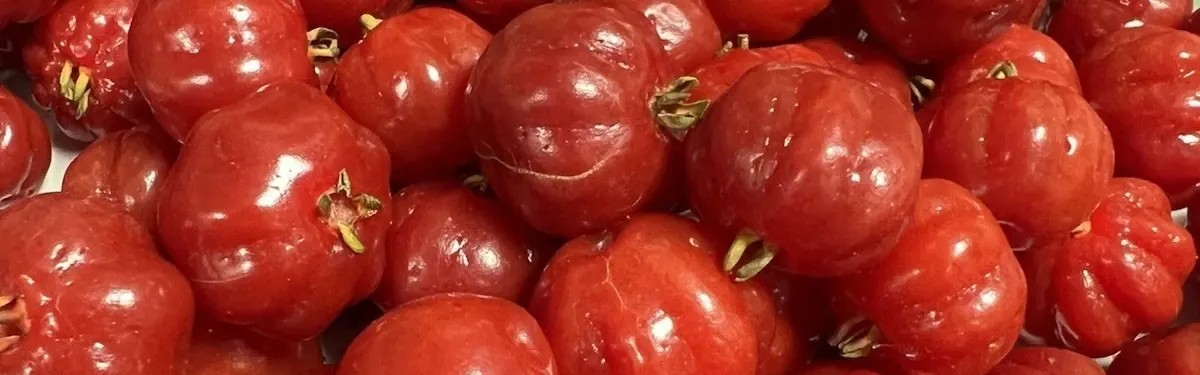
- Surinam Cherry (Eugenia uniflora): A shrub or small tree producing sweet, ribbed, cherry-like fruits rich in Vitamin C.
- Growing: Prefers full sun to partial shade and fertile, well-drained soil. Tolerant of various soil types. Drought tolerant once established. Fruits multiple times a year.
- Pro-Tip: Prune to maintain shape and fruit accessibility. The fruit can be tart; some varieties are sweeter than others. Delicious made into jam or eaten fresh.
- Mulberry (Morus spp.): Fast-growing trees producing abundant, blackberry-like fruits in spring.
- Growing: Full sun, well-drained soil. Adaptable and relatively pest-free. Consider 'Florida Giant' or 'Everbearing' varieties for long seasons.
- Pro-Tip: Netting may be necessary to protect ripe fruit from birds. Prepare for stained hands and sidewalks – harvest often!
- Fig (Ficus carica): Several varieties thrive in Florida, especially those with good nematode resistance.
- Growing: Full sun, good drainage. Benefic from consistent moisture, especially when fruiting. Prune in winter to shape and encourage new growth.
- Pro-Tip: Choose varieties like 'Celeste', 'Brown Turkey', or 'Florida Friendly' (often a local variety) that perform well in our humidity and heat.
- Moringa (Moringa oleifera): The "Miracle Tree" – highly nutritious leaves, pods, and flowers.
- Growing: Extremely fast-growing from seed or cutting. Full sun, well-drained soil. Drought tolerant. Can be cut back severely (chop-and-drop) to maintain a manageable size and encourage leaf production.
- Pro-Tip: Harvest young leaves regularly for best flavor. Use in smoothies, soups, salads.
- Longevity Spinach (Gynura procumbens): A perennial leafy green packed with nutrients.
- Growing: Partial shade is often best in South Florida to prevent leaf scorch. Spreads readily, can be grown in containers. Very easy from cuttings.
- Pro-Tip: Harvest continuously to encourage tender new growth. Excellent raw in salads or lightly sautéed.
- Sweet Potato (Ipomoea batatas): More than just a root crop, the leaves are also edible and highly nutritious.
- Growing: Plant slips in full sun. Thrives in warm weather and sandy soil. Water regularly until established.
- Pro-Tip: Grow a "culinary" variety for both roots and leaves, or an "edible landscape" variety for attractive foliage and edible leaves.
- Okra (Abelmoschus esculentus): A classic Southern staple that loves Florida heat and humidity.
- Growing: Full sun, fertile, well-drained soil. Plant seeds in spring. Requires consistent watering.
- Pro-Tip: Harvest pods when young and tender (2-4 inches long) for best flavor. Harvest frequently to encourage more production.
- Seminole Pumpkin (Cucurbita moschata): A native, drought-tolerant squash that thrives in Florida.
- Growing: Plant seeds in spring or summer. Full sun, well-drained soil. Allow to ramble or provide a trellis for vertical growth.
- Pro-Tip: Highly resistant to common squash pests. Store well for months, making it an excellent survival crop.
3. Plant and Nurture
- Planting: Dig a hole twice as wide as the root ball, setting the plant at the same depth it was in the nursery pot.
- Watering: Water thoroughly after planting. Establish a regular watering schedule, especially for young plants. Drip irrigation is efficient.
- Fertilizing: Most tropical edibles benefit from balanced organic fertilizer or compost. Follow package directions, or conduct a soil test.
- Mulching: Apply a 2-4 inch layer of organic mulch (wood chips, pine bark) to retain moisture, suppress weeds, and regulate soil temperature.
4. Pest and Disease Management
- Observation: Regularly inspect your plants for signs of pests or diseases. Early detection is key.
- Integrated Pest Management (IPM): Employ cultural controls (proper watering, spacing), introduce beneficial insects, and only use approved organic pesticides as a last resort. Many of these resilient plants have natural defenses.
Best Practices & Pro Tips
- Embrace Perennials: Many of the best Florida edibles are perennials. Plant them once, and they'll produce for years, reducing your workload. See our guide on Perennial Edible Plants for Hot Climates.
- Start Small: Don't try to grow everything at once. Pick a few plants that excite you and learn their needs. You can always expand later.
- Container Gardening: If space is limited or your soil is poor, many edibles—like Cuban Oregano, Roselle, and even dwarf mulberries—thrive in containers. Explore Container-Friendly Edible Plants for inspiration.
- Observe Your Microclimates: Every yard has unique microclimates. Note where sun hits, where it's shadier, and where water tends to pool or drain quickly. Match your plants accordingly.
- Compost, Compost, Compost: Building healthy soil with compost is paramount in Florida. It improves drainage in heavy soils, adds nutrients to sandy soils, and boosts microbial life.
- Succession Planting (for Annuals): For crops like okra or sweet potato, plant small batches every few weeks for a continuous harvest rather than one large flush.
- Harvest Frequently: Many edible plants, especially leafy greens and fruiting vegetables, produce more when picked regularly. This also keeps them tender.
- Join Local Gardening Groups: Local knowledge is invaluable. Join a gardening club or online forum specifically for South Florida growers.
Common Mistakes to Avoid
- Planting Temperate Vegetables in Summer: Trying to grow cool-season crops during Florida's hot, humid summer is a recipe for disappointment, pest outbreaks, and plant death. Save your energy for climate-appropriate choices.
- Ignoring Soil Health: Simply digging a hole in native Florida soil and planting can lead to stunted growth. Amend sandy soils with rich organic matter, and improve drainage in heavy clay soils.
- Overwatering, Especially in Rainy Season: While Florida is hot, our rainy season brings abundant moisture. Overwatering can lead to root rot, especially in poorly drained soils. Check soil moisture before watering.
- Neglecting Sun Requirements: Too little sun leads to spindly, unproductive plants. Too much intense, direct afternoon sun can scorch the leaves of some plants that prefer partial shade.
- Forgetting About Fertilization: Our high rainfall can leach nutrients from the soil quickly. Regular, gentle fertilization (especially with organic options) is often necessary.
- Planting Without Research: Don't assume a plant will thrive here just because it's edible. Always check its specific needs regarding sun, soil, and water for our South Florida climate.
FAQ
Q1: Can I grow common vegetables like tomatoes and lettuce in Florida? A1: Yes, but with caveats. You'll generally have more success growing determinate tomato varieties and heat-tolerant lettuce in our cooler, drier season (roughly October to May). For year-round success, focus on our recommended heat-loving alternatives like Roselle leaves or Longevity Spinach for greens, and Seminole Pumpkin for a versatile "squash."
Q2: How do I deal with nematodes in my sandy Florida soil? A2: Nematodes are a common issue. Incorporate plenty of organic matter (compost, mushroom compost, aged manures) into your soil. Some plants show resistance, and you can also use cover crops or specific treatments. Raised beds are often a good strategy to create a healthier, nematode-free growing medium.
Q3: What are some good "starter" edible plants for a beginner in South Florida? A3: For beginners, start with easy, vigorous plants like Cuban Oregano (almost impossible to kill!), Longevity Spinach, Moringa (fast and forgiving), and Roselle. These are low-maintenance and provide quick rewards. Many of these are also highlighted in our guide on Easy Edible Plants for Beginners.
Q4: Where can I find these less common edible plants in Florida? A4: Your best bet is local nurseries specializing in tropical and edible plants. Farmers' markets sometimes have seeds or starts. You can also connect with local gardening groups or consider reputable online rare plant nurseries. Our guide on How to Buy Rare Plants Online offers helpful tips.