Dreaming of fresh, homegrown produce but limited by space or soil? Container gardening offers an incredibly versatile and rewarding solution, allowing even urban dwellers and balcony gardeners to cultivate a vibrant, edible oasis right in South Florida's unique climate. With the right plant choices and care strategies, you can transform patios, balconies, and even sunny windowsills into productive foodscapes.
What Are Container-Friendly Edible Plants?
Container-friendly edible plants are species that thrive and produce a worthwhile harvest when grown in pots, planters, grow bags, or other confined vessels rather than directly in the ground. These plants typically possess characteristics that make them well-suited for container life: a non-invasive root system, a manageable size and growth habit, and a relatively high yield in a limited growing medium. While nearly any plant can be attempted in a container, true "container-friendly" edibles reliably produce and remain healthy without becoming root-bound too quickly or requiring impossibly large pots. This resilience and adaptability make them ideal for South Florida's diverse gardening scenarios.
Why This Matters for Florida Growers
For South Florida gardeners, container gardening isn't just a convenience; it's often a necessity and a significant advantage. Our unique environment presents several challenges that containers adeptly address:
- Poor Soil Conditions: Much of South Florida has sandy, nutrient-poor soil or alkaline, rocky fill. Containers allow you to provide the ideal, rich, well-draining potting mix that many edible plants prefer, bypassing problematic native soils entirely.
- Pest and Disease Management: Growing in containers can help isolate plants from soil-borne pests and diseases, and it makes it easier to observe and treat individual plants if an issue arises.
- Hurricanes and Storms: The ability to move plants indoors or to a sheltered location is invaluable during our hurricane season, protecting your valuable harvests from high winds and torrential rains.
- Heat Management: When temperatures soar, containers allow you to strategically move heat-sensitive plants into partial shade during the hottest parts of the day, extending their growing season.
- Limited Space: Whether you live in a condo, apartment, or simply have a small patio, containers maximize your growing potential in compact areas.
- Accessibility: Raised containers or planters can make gardening more accessible for individuals with mobility challenges.
- Rental Properties: For renters, container gardening means you can take your entire garden with you when you move!
- Irrigation Control: It's often easier to manage water-intensive plants and ensure consistent moisture in containers, especially for those highly susceptible to drought stress.
Step-by-Step Guide to Container Edible Gardening in Florida
Cultivating a thriving container garden in South Florida requires a thoughtful approach. Follow these steps for success:
Step 1: Choose the Right Plants (Florida-Specific!)
This is perhaps the most crucial step. Focus on edibles that enjoy warm climates and have a manageable growth habit.
- Herbs: Many herbs are excellent container candidates. Tropical favorites like Cuban Oregano (Plectranthus amboinicus) and /mexican-mint grow lushly. Others like basil, mint varieties, rosemary, thyme, and chives are also very happy in pots. See our guide on /warm-climate-edible-herbs and /tropical-herbs-warm-climates.
- Fruiting Shrubs & Trees: Don't shy away from larger edibles! Dwarf varieties or those naturally compact thrive.
- Figs: As noted, figs are surprisingly productive in large containers. Choose common fig varieties (Ficus carica) that don’t require pollination. A 15-25 gallon pot is ideal for long-term growth.
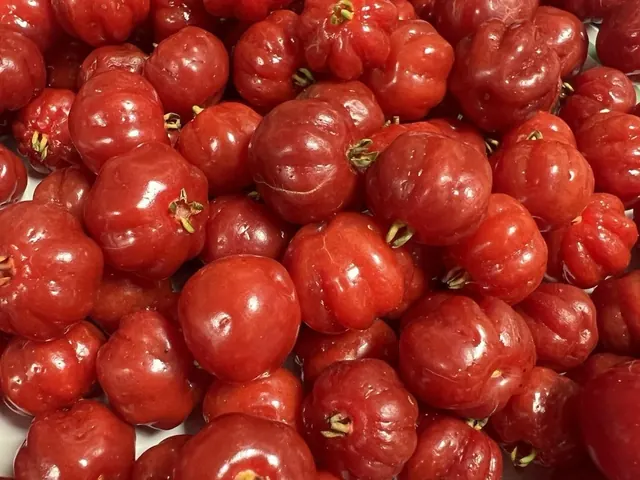
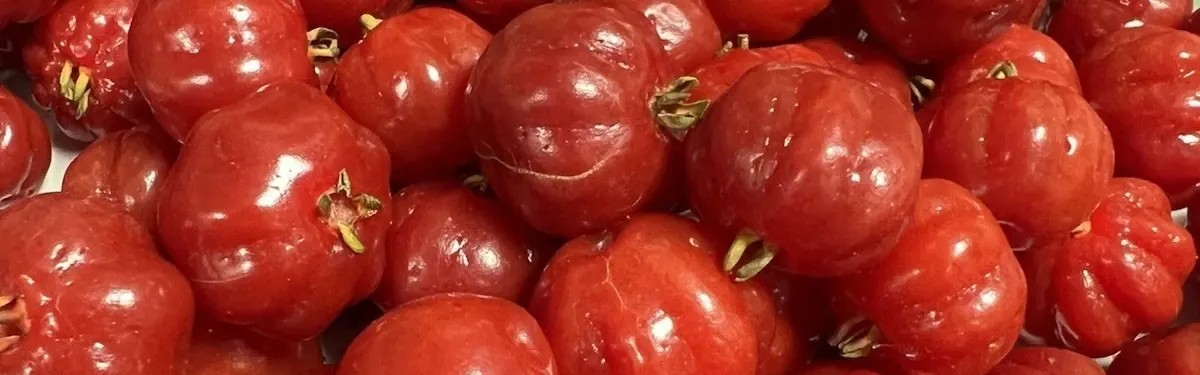
- Surinam Cherry (Eugenia uniflora): This attractive, compact shrub produces tart-sweet fruit and handles pruning well, making it great for pots.
- Dwarf Citrus: Many citrus varieties (e.g., Meyer lemon, calamondin, key lime) are grafted onto dwarfing rootstock and excel in large containers (20+ gallons).
- Tropical Guava: Some smaller true guava (Psidium guajava) types can be successful in substantial containers, yielding delightfully aromatic fruit.
- Pineapple (Ananas comosus): A single pineapple plant will produce one fruit (and then pups). The /lava-burst-pineapple is a stunning ornamental variety that also yields a small, edible fruit.
- Vegetables:
- Bush Beans: Avoid pole beans which require more space; bush varieties are perfect.
- Peppers: All peppers, from sweet bells to fiery chilies, are outstanding container plants.
- Eggplant: Compact varieties do very well.
- Tomatoes: Look for "determinate" or "bush" varieties, sometimes labeled "patio" or "dwarf."
- Cranberry Hibiscus (Hibiscus acetosella): While often grown in the ground, this beautiful edible with tart leaves and stunning flowers can be kept in a 7-10 gallon container, providing a continuous harvest of greens. See our /cranberry-hibiscus-growing-guide.
- Roselle (Hibiscus sabdariffa): Also known as Florida Cranberry, this plant produces calyces for teas and jams. It's an annual here and will grow well in a 10+ gallon container.
- Malabar Spinach: A heat-loving vining spinach alternative that can be trained up a small trellis in a pot.
- Sweet Potatoes: While they sprawl, you can grow them for their edible leaves (known as sweet potato greens) in hanging baskets or large pots, harvesting the tubers as a bonus.
- Leafy Greens: Lettuce, spinach (especially Malabar spinach), Swiss chard, arugula, and various Asian greens thrive in containers during Florida's cooler months.
Step 2: Select the Right Containers
Size matters! The general rule of thumb: the larger the pot, the happier the plant (within reason).
- Material: Terra cotta pots can dry out quickly in Florida's sun; plastic, glazed ceramic, or fabric grow bags retain moisture better. Consider self-watering planters for some edibles.
- Drainage: Essential! Ensure all containers have ample drainage holes. Elevate pots slightly to prevent sitting in water.
- Size Guidelines:
- Herbs & leafy greens: 1-5 gallon pots. A 6-8 inch pot is perfect for a single /cuban-oregano plant.
- Peppers, single bush tomato, eggplant: 5-10 gallon pots.
- Roselle, Cranberry Hibiscus: 10-15 gallon pots.
- Dwarf fruit trees, figs, vigorous shrubs: 15-25 gallon pots or half wine barrels.
Step 3: Use Quality Potting Mix
Never use garden soil in containers; it compacts, doesn’t drain well, and can harbor pests.
- Characteristics: Look for a lightweight, well-draining, peat- or coir-based potting mix. Many brands formulated for containers or edibles are available.
- Amendments: You can amend with perlite or pine bark fines to improve drainage and aeration, especially for larger pots. Adding a slow-release organic fertilizer at planting time can give your plants a good start.
Step 4: Proper Planting
- Preparation: Fill the container 3/4 full with potting mix.
- Planting: Gently remove the plant from its nursery pot. If roots are circling, tease them apart. Place the plant in the center, ensuring the soil line matches its original level. Backfill with potting mix, leaving about an inch or two of space from the rim for watering.
- Watering In: Water thoroughly until water drains from the bottom.
Step 5: Ongoing Care – The Florida Difference
- Watering: This is the most critical aspect in containers, especially in Florida's heat. Containers dry out much faster than in-ground plants. Check daily, especially during dry spells. Water until you see runoff from the bottom. Consider drip irrigation or self-watering planters for convenience.
- Fertilizing: Container plants deplete nutrients quickly.
- Frequency: Feed regularly during the growing season (when plants are actively growing and producing). For most edibles, every 2-4 weeks with a liquid fertilizer or use a slow-release granular fertilizer every 2-3 months.
- Type: Use a balanced fertilizer (e.g., 5-5-5 or 10-10-10) for general growth, or one higher in phosphorus and potassium (e.g., 2-4-2 or 2-8-4) for flowering and fruiting plants. Organic options like fish emulsion or worm castings are excellent.
- Sunlight: Most edibles require at least 6-8 hours of direct sunlight. However, in Florida, during the scorching summer afternoons, some delicate edibles may appreciate a few hours of afternoon shade to prevent scorching and heat stress. Move containers as needed.
- Pest and Disease Monitoring: Inspect your plants regularly. Early detection is key. For organic control, neem oil or insecticidal soap are good first lines of defense.
- Pruning & Training: Prune herbs to encourage bushier growth. For larger fruiting plants, judicious pruning can maintain size and encourage production in containers. Provide stakes or cages for taller plants like tomatoes or vining edibles.
- Repotting: As plants grow, they may become root-bound. This usually means roots are circling the inside of the pot. Repot into a larger container (1-2 sizes up) with fresh potting mix. For long-term plants, you might need to root prune every few years if they've reached their maximum container size.
Best Practices & Pro Tips
- South Florida Seasonality: While we have a year-round growing season, understand that some "cool season" plants (like traditional tomatoes, lettuce) perform best from October to April, while tropical edibles thrive in the intense heat and humidity of May through September. Plan your container garden to align with these seasons.
- Microclimates: Use your container garden to create microclimates. Place heat-sensitive plants on the east side of your home for morning sun and afternoon shade, or under the canopy of larger trees. Place sun-lovers in full, south-facing exposure.
- Elevate Pots: Beyond drainage, elevating pots on "pot feet" or bricks allows air circulation underneath, preventing fungal issues and preventing pests from seeking refuge directly under the pot.
- Mulch: A thin layer of mulch (shredded leaves, pine bark, or even pebbles) on top of the potting mix can help retain moisture, regulate soil temperature, and reduce weed growth.
- Companions: Consider companion planting in larger containers. For example, basil can be planted at the base of a tomato plant.
- Rotate Crops: For annual vegetables, rotate what you plant in each container seasonally to help prevent nutrient depletion and pest buildup.
Common Mistakes to Avoid
- Too Small a Pot: The most common error. Small pots lead to stunted growth, rapid drying, and unproductive plants. Always err on the side of larger.
- Poor Drainage: If a container doesn't drain, roots will rot, and the plant will perish.
- Using Garden Soil: This will compact and smother roots. Always use a purpose-made potting mix.
- Inconsistent Watering: Wilting, stress, and poor harvests are direct results of irregular watering. Get into a routine.
- Neglecting Fertilization: Container plants are completely dependent on you for nutrients. Don't skip feeding.
- Ignoring Pest & Disease Signs: Early intervention is always easier and more effective.
- Not Considering Sun Exposure: Placing a sun-loving plant in too much shade, or a shade-lover in scorching full sun, will lead to problems. Observe your space throughout the day.
- Overcrowding: Don't try to cram too many plants into one container. Give each plant enough room to thrive.
FAQ
Q1: How often should I water my container edibles in South Florida? A1: In the peak of South Florida's dry season and summer heat, you may need to water daily, sometimes even twice a day for smaller pots or very thirsty plants. During cooler, wetter periods, you might water every 2-3 days. Always check the top inch or two of soil; if it feels dry, it's time to water.
Q2: Can I grow rare edible plants in containers? A2: Absolutely! Many rare and unique edibles are inherently compact or can be managed in containers. For example, some dwarf fruit varieties, rare herbs (like some from our /rare-edible-plants-home-growers list), or unique leaf vegetables can thrive. Containers allow you to provide specific soil or environmental conditions that might be difficult to achieve in ground.
Q3: My plant looks unhealthy, what's wrong? A3: This is a complex question! First, check the basics: is it getting enough sun (but not too much scorching afternoon sun)? Is it getting adequate water (not too dry, not waterlogged)? Has it been fertilized recently? Are there visible pests on the leaves or stems (check undersides)? Browning leaves can indicate underwatering or nutrient deficiency, while yellowing can indicate overwatering or nitrogen deficiency.
Q4: What's the best time to start a container edible garden in South Florida? A4: You can technically plant year-round. However, for most common vegetables (like tomatoes, peppers, leafy greens), the ideal time is October through February, avoiding the intense summer heat and humidity for establishment. Tropical edibles, herbs, and fruiting trees can be planted from spring through fall, ensuring they have sufficient time to establish before a potential (though rare) cold snap.
By understanding the unique demands of container gardening in South Florida, you can successfully cultivate a productive and beautiful edible landscape, bringing vibrant flavors right to your doorstep.