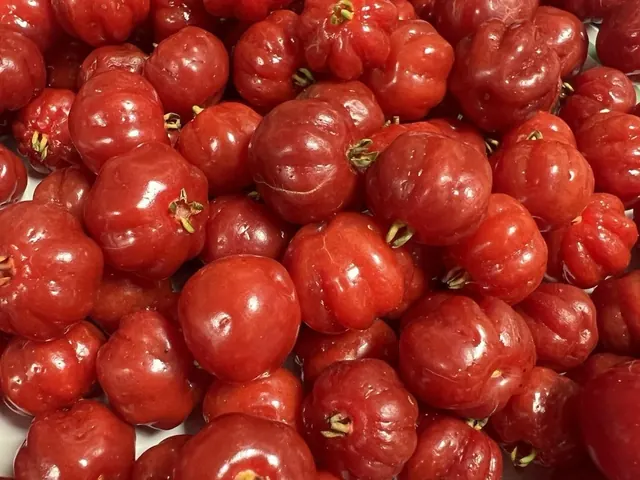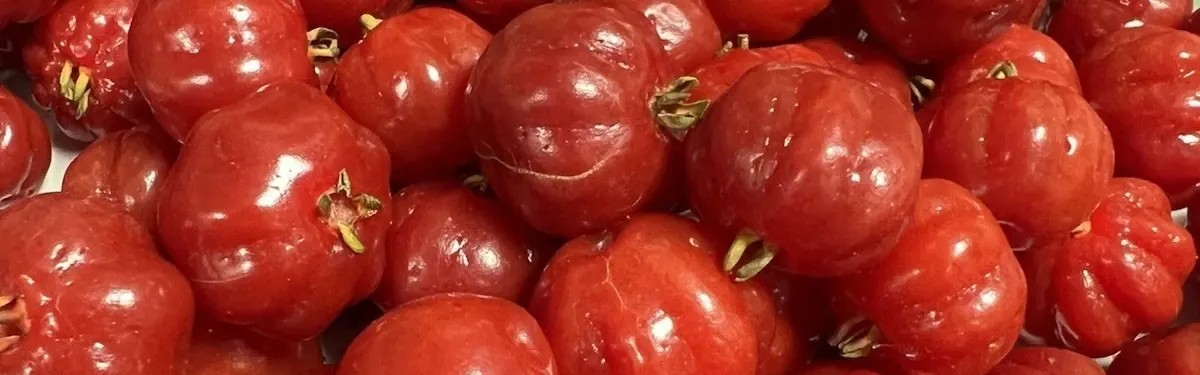
For the South Florida gardener seeking to transcend the ordinary, a world of extraordinary botanical treasures awaits. Venturing beyond common ornamentals and everyday edibles opens the door to a truly unique and deeply rewarding horticultural experience, transforming your landscape into a living museum of rare tropical plants. This guide will help you navigate the thrilling pursuit of collector-friendly tropical plants, especially those that thrive in our challenging, yet bountiful, climate.
What Is a Collector-Friendly Tropical Plant?
A "collector-friendly tropical plant" isn't merely a pretty specimen; it's a plant that holds a special allure for enthusiasts and connoisseurs, often due to its scarcity, distinctive features, or cultural significance. These are typically tropical or subtropical species that are:
- Difficult to find commercially: Unlike big-box store offerings, these plants are usually sourced from specialty nurseries, private collectors, or dedicated online vendors. Their limited availability makes them prized possessions.
- Possess interesting growth habits or appearance: Beyond basic aesthetics, they might showcase unusual leaf variegation, unique flower structures, striking fruit colors, or architectural forms that stand out.
- Rewarding to grow and share: The journey of nurturing a rare plant, understanding its specific needs, and seeing it flourish provides immense satisfaction. Sharing cuttings or knowledge with fellow enthusiasts further enhances this reward.
- Conversation-starting: Many collector plants are unusual enough to spark curiosity and conversation, turning your garden into a focal point of discussion among visitors.
- Often offer unique utility: While many are ornamental, a significant number of collector-friendly plants also offer edible fruits, leaves, or roots, often with flavors and textures far removed from conventional produce, contributing to your /rare-edible-plants-home-growers/ collection.
These plants often challenge growers but offer unparalleled gratification for those willing to invest the time and care. They are not merely plants; they are living art, botanical history, and often, future food sources.
Why This Matters for Florida Growers
South Florida's unique subtropical to tropical climate is a double-edged sword for gardeners. On one hand, our long growing season and abundant sunshine allow us to cultivate an incredibly diverse array of plants that would perish in colder zones. On the other, our high humidity, sandy soils, and occasional drought or deluge present specific challenges. For collector-friendly tropical plants, understanding this local context is paramount:
- Climate Advantage: Many rare and collector plants originate from tropical and subtropical regions worldwide, making South Florida an ideal horticultural home for them. While growers in other states might rely on greenhouses, we can often grow these treasures outdoors, year-round. This is especially true for /perennial-edible-plants-hot-climates/.
- Soil and Water Management: Our native soils are often nutrient-poor and incredibly fast-draining. Collector plants, particularly those from richer jungle floor environments, will require significant soil amendment and precise watering to thrive.
- Pest and Disease Pressure: Our warm, humid environment is also hospitable to a wide array of pests and fungal diseases. Rare plants can sometimes be more susceptible or react differently to common treatments, necessitating a careful, integrated pest management approach.
- Hurricane Preparedness: While not directly related to plant care, protecting valuable and often irreplaceable collector plants during our hurricane season is a significant consideration.
- Local Expertise: South Florida boasts a vibrant community of tropical plant enthusiasts, rare fruit growers, and specialized nurseries. This local network is an invaluable resource for sourcing plants, sharing knowledge, and getting tailored advice for our specific conditions. This community is often the best place to find information on /limited-availability-plants-how-to-choose/.
Embracing collector-friendly plants allows Florida growers to push the boundaries of conventional gardening, enrich their landscapes with unparalleled beauty and utility, and participate in the exciting world of botanical preservation and discovery.
Step-by-Step Guide to Starting Your Collector's Garden
Building a collection of rare tropical plants is a journey of patience, research, and adaptation. Here’s how to begin:
-
Research, Research, Research: Before purchasing, thoroughly investigate the plant's ideal growing conditions.
- Hardiness Zone: Ensure it's suitable for USDA Zones 10-11, which encompass most of South Florida.
- Light Requirements: Full sun, partial shade, or deep shade? Mimic its natural habitat.
- Soil Preferences: Is it acid-loving, alkaline-tolerant, does it need excellent drainage, or prefers moist feet? Many tropicals thrive in rich, well-draining, slightly acidic soil.
- Water Needs: Drought-tolerant or water-demanding?
- Mature Size: Account for its eventual height and spread to prevent overcrowding or constant pruning.
- Specific Quirks: Does it need a dormant period, a chill hour equivalent (rare for tropicals but some exceptions), or specific pollination requirements?
- Pest/Disease Susceptibility: Be aware of common issues. This can help you avoid potential heartbreak.
-
Source Wisely: Where you acquire your collector plants is crucial.
- Specialty Nurseries: Look for local nurseries specializing in tropicals, rare fruits, or ethnobotanicals. Their staff often have invaluable firsthand knowledge.
- Online Vendors: Many reputable online sellers specialize in rare plants. Look for vendors with good reviews, clear shipping policies, and pictures of actual plants. Always verify their Florida shipping permits if applicable. (See: /how-to-buy-rare-plants-online/)
- Plant Sales & Swaps: Botanical garden sales, rare fruit council events, and local garden club swaps are excellent places to find unique specimens and network with experienced growers.
- Collecting in the Wild (Ethically!): Only collect seeds or cuttings from the wild if you have explicit permission and are certain the plant is not endangered or protected. Never disturb natural ecosystems.
-
Prepare the Site or Container: Proper pre-planting preparation significantly impacts success.
- In-Ground: Amend our native sandy soil heavily with organic matter (compost, peat moss, pine bark fines) to improve water retention and nutrient availability. Ensure good drainage; consider raising beds for plants that hate wet feet.
- Containers: For /container-friendly-edible-plants/ and other collector plants, select containers with ample drainage holes. Use a high-quality potting mix formulated for tropicals, often incorporating perlite or orchid bark for aeration. Choose a pot size appropriate for the plant's current size, planning to up-pot as it grows.
-
Planting and Acclimation:
- Planting: Dig a hole twice as wide as the root ball and just as deep. Gently loosen circling roots. Plant at the same level it was in its nursery pot. Backfill and water thoroughly.
- Acclimation (Crucial for Shipped Plants): Plants arriving via mail or from a different environment often experience transplant shock. Place them in a sheltered, semi-shady location for a week or two, gradually exposing them to more light and outdoor conditions. Protect them from strong wind and direct, intense sun initially.
-
Ongoing Care and Observation:
- Watering: This is often the trickiest part. Feel the soil. Water deeply when the top few inches are dry. Tropicals generally prefer consistent moisture but rarely waterlogging.
- Fertilizing: Regular feeding with a balanced, slow-release tropical plant fertilizer is often necessary, especially in our nutrient-poor soils. Adjust based on the plant's specific needs (e.g., fruiting plants need more potassium).
- Pest & Disease Management: Regularly inspect your plants for signs of stress, pests, or disease. Early detection is key. Learn about common South Florida pests like mealybugs, scale, and fungal issues. Use organic or targeted treatments where possible.
- Pruning: Prune for shape, health, and to encourage branching or fruiting. Remove dead or diseased wood.
- Winter Protection: While many tropicals thrive in South Florida, even Zone 10 can experience occasional cold snaps. Have frost cloth or covers ready for sensitive plants, especially young ones.
Best Practices & Pro Tips for Florida Collectors
- Embrace the Microclimates: Take advantage of your yard's natural microclimates. South-facing walls offer warmth, while large trees provide crucial shade for understory plants.
- Companion Planting: Strategically plant species together that benefit each other, whether for pest deterrence or creating a more humid microenvironment.
- Get to Know Your Soil: Perform a soil test to understand its pH and nutrient composition. This guides amendments and fertilizer choices.
- Learn Propagation Techniques: Many collector plants can be propagated from cuttings (softwood, semi-hardwood), air layering, or seeds. Mastering these techniques allows you to expand your collection, share with others, and have backups for prized specimens. This is especially useful for /uncommon-propagation-friendly-species/.
- Join Local Groups: The Rare Fruit Council International, local garden clubs, and online forums are invaluable resources for networking, plant swaps, expert advice, and finding unique species like /crinum-lily-ellen-bosanquet/ and /crinum-burgundy-menehune/.
- Document Your Collection: Keep a plant journal! Note planting dates, watering schedules, fertilizer applications, pest issues, and growth observations. This is crucial for understanding your plants' needs.
- Be Patient: Rare plants often grow slower or take longer to establish. Enjoy the journey, not just the destination.
- Start Small, Grow Big: Don't overwhelm yourself. Start with a few well-researched plants that excite you, gain experience, and then gradually expand your collection.
Common Mistakes to Avoid
- Impulse Buying: Adopting a plant without understanding its needs is the quickest way to kill it. Research before you buy.
- Overwatering: More plants die from overwatering than underwatering in South Florida, especially in our humid climate. Our soils drain quickly, but plant roots still need oxygen.
- Under-watering in containers: While overwatering is a concern, container plants dry out much faster than in-ground plants and need vigilant monitoring.
- Ignoring Local Conditions: Trying to force a plant meant for dry, desert conditions to thrive in our swampy summer, or vice-versa, will lead to failure.
- Lack of Pest/Disease Vigilance: Small issues, if ignored, can quickly escalate and threaten your entire collection.
- Not Amending Soil: Our soils are challenging. Planting rare tropicals directly into unamended sandy soil is a recipe for nutrient deficiencies and poor growth.
- Forgetting Winter Protection: Even a single night of frost can devastate a tender tropical not adequately protected.
- Giving Up Too Soon: Collector plants can be challenging. Learn from failures, adjust your approach, and don't be discouraged if a plant doesn't thrive immediately.
FAQ About Collector-Friendly Tropical Plants
Q1: What are some good beginner collector-friendly plants for South Florida? A1: For someone just starting, consider interesting variations of easy-to-grow plants. Examples include 'Black Magic' or 'Imperial Taro' (Colocasia), variegated gingers, unusual philodendrons, or some of the more vigorous rare edibles like /cranberry-hibiscus-growing-guide/. For edible options, Mexican Mint (/mexican-mint/) and Cuban Oregano (/cuban-oregano/) are good starter specialty herbs.
Q2: How do I protect my rare plants during a cold snap in South Florida? A2: For potted plants, move them indoors or under a covered patio. For in-ground plants, provide overhead protection (under a large tree, porch, or temporary canopy) and cover with frost cloth or blankets that extend to the ground. Water plants thoroughly before a freeze, as moist soil retains heat better than dry soil. String Christmas lights (non-LED, incandescent) through the canopy of small trees to provide gentle warmth.
Q3: Are "collector-friendly" plants always expensive? A3: Not necessarily. While some very rare or newly introduced varieties can fetch high prices, many collector plants are affordable, especially if acquired as small starts, unrooted cuttings, or through plant swaps. Their value often comes from their unique qualities and limited availability rather than just their price tag. The real investment is often in the time and care you put into them.
Q4: How can I increase my chances of successfully growing a rare tropical plant? A4: Beyond thorough research and proper site preparation, focus on mimicking the plant's native environment as closely as possible. Provide excellent drainage, consistent moisture without waterlogging, appropriate light levels, and regular, balanced nutrition. Most importantly, observe your plant closely for any signs of distress and react promptly.