The relentless South Florida sun and humidity can be a challenge for many traditional garden vegetables, but our unique climate offers an incredible opportunity for a diverse array of perennial edible plants. Imagine a garden where the bounty returns year after year, requiring less work and offering more sustainable harvests.
What Are Perennial Edible Plants?
Perennial edible plants are simply plants that live for more than two growing seasons, often for many years or even decades, and produce food. Unlike annuals, which complete their life cycle within a single year and must be replanted seasonally (think tomatoes, peppers, or most beans), perennials establish a root system and come back year after year from the same plant. This category includes everything from fruit trees and berry bushes to long-lived herbs, perennial vegetables, and root crops. They generally grow larger, develop deeper roots, and become more resilient to environmental fluctuations over time.
Why This Matters for Florida Growers
For gardeners in Florida, especially throughout USDA Hardiness Zones 9b-11, perennial edibles are a game-changer. Our long, hot, and often humid growing season, coupled with mild winters (though occasional frosts can occur in northern parts of the state), makes many temperate annuals struggle. Perennials, particularly those adapted to tropical and subtropical climates, thrive here.
The benefits are numerous:
- Reduced Labor: Once established, perennials require significantly less effort in terms of planting, soil preparation, and often pest management compared to annuals. You plant them once, and they keep giving.
- Increased Resilience: Deeper root systems make many perennials more drought-tolerant once mature, a crucial advantage during Florida's dry seasons. They're also often more adaptable to poor soil conditions and less susceptible to the boom-and-bust cycles of annual pest outbreaks.
- Soil Health Improvement: Perennial roots help stabilize soil, prevent erosion, and contribute organic matter over time, enhancing soil structure and microbial activity without constant digging.
- Ecological Benefits: They provide continuous habitat and food sources for pollinators, beneficial insects, and wildlife, contributing to a more biodiverse and balanced garden ecosystem.
- Year-Round Harvests: Many tropical perennials produce over extended periods or even year-round in frost-free areas, offering a consistent food supply.
- Unique Flavors and Nutrition: Beyond common supermarket produce, many perennial edibles offer unique flavors, textures, and nutrient profiles not readily available elsewhere. This is especially true for the "rare" and "unusual edible plants" we often highlight.
Step-by-Step Guide to Establishing a Perennial Edible Garden in Florida
Building a robust perennial edible garden starts with thoughtful planning and execution.
Step 1: Site Selection and Assessment
- Sunlight: Most edible perennials prefer full sun (6+ hours of direct sunlight daily). However, some tropical edibles, especially leafy greens, can tolerate or even prefer partial shade (especially afternoon shade) in our intense Florida heat. Observe your garden throughout the day.
- Soil Drainage: Florida soils vary wildly, from sandy coastal areas to rich Muck soil and heavy clays. Excellent drainage is paramount for most perennials, as root rot is a common issue in our humid environment. If you have poor drainage, consider raised beds or amending with plenty of organic matter like compost, pine bark fines, or perlite to improve aeration.
- Water Access: Plan for convenient access to water, especially during establishment. While many perennials become more drought-tolerant, consistent moisture is vital in their first year.
Step 2: Research and Plant Selection (Florida-Specific)
Don't just pick anything that "looks good." Focus on plants proven to thrive in South Florida's climate. Consider:
- Cold Hardiness: Know your USDA Hardiness Zone. While South Florida is largely 10a-11, areas further north can experience occasional freezes. Choose plants that can tolerate your zone's minimum temperatures, or be prepared to protect them.
- Mature Size: Account for the plant's ultimate height and spread. A small tree sapling can quickly become a large shade tree.
- Pest and Disease Resistance: Some plants are naturally more robust against common Florida garden pests and diseases.
- Your Culinary Preferences: What do you actually want to eat? Don't plant something just because it's perennial if you won't use it.
- Key Florida Perennial Edibles to Consider (Beyond the basics):
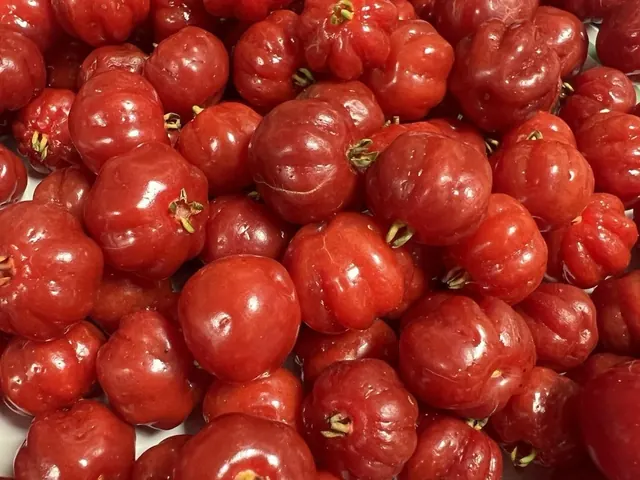
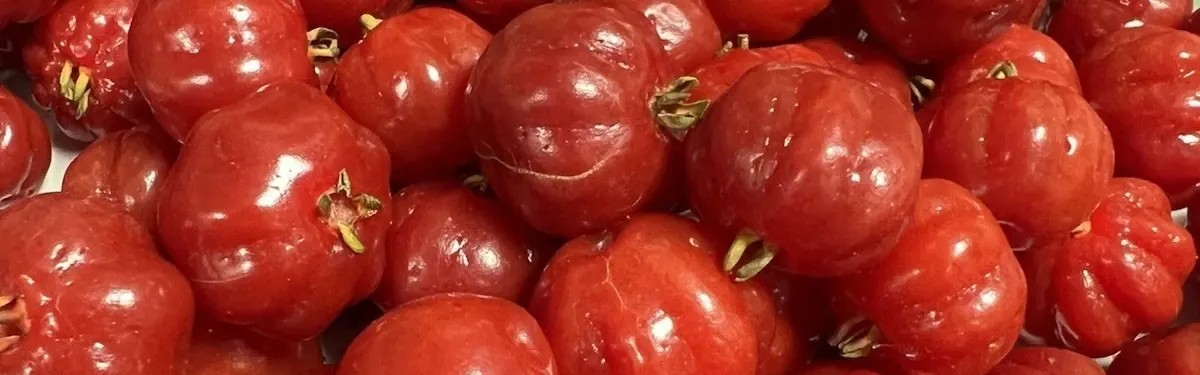
- Fruit Trees/Shrubs: Mulberry (especially local varieties like "Florida Giant"), Fig (Brown Turkey, Celeste), Loquat, Surinam Cherry, Starfruit (Carambola), Jaboticaba, Barbados Cherry (Acerola), Canistel (Eggfruit), Black Sapote, Jackfruit, Avocado.
- Perennial Vegetables/Greens: Okinawan Spinach, Longevity Spinach, Malabar Spinach, Cranberry Hibiscus (grows well from /cranberry-hibiscus-growing-guide), Moringa, Chaya (Tree Spinach), Pigeon Pea, Katuk.
- Perennial Herbs: Cuban Oregano (/cuban-oregano), Mexican Mint Marigold (/mexican-mint), Lemongrass, Thai Ginger (Galangal), Turmeric, Alligator Pepper, Culantro (Eryngium foetidum). (For more, see /warm-climate-edible-herbs, /tropical-herbs-warm-climates, and /specialty-herbs-warm-climate-growers).
Step 3: Soil Preparation
Before planting, enrich your soil. Incorporate generous amounts of good quality, well-aged compost into the planting hole or bed. For sandy soils, this improves water retention; for heavier soils, it improves drainage and aeration. A soil test can provide valuable insights into nutrient deficiencies.
Step 4: Planting
- Timing: The best time to plant most perennials in Florida is during the cooler, drier months of fall or early winter (October-March). This allows plants to establish roots before the intense summer heat and rainy season.
- Digging: Dig a hole twice as wide as the root ball and just as deep.
- Placement: Gently remove the plant from its container. If roots are circling, tease them apart. Place the plant so the top of the root ball is level with or slightly above the surrounding soil for proper drainage, especially for trees.
- Backfill & Water: Backfill with your amended soil, gently firming it to remove air pockets. Water thoroughly immediately after planting.
Step 5: Initial Care and Establishment
- Watering: This is critical. Water regularly and deeply during the first 6-12 months, especially during dry spells. Taper off as plants mature and become more self-sufficient, but always provide supplemental water during extended droughts.
- Mulching: Apply a 2-4 inch layer of organic mulch (pine bark, melaleuca mulch, wood chips, leaves) around the base of the plant, keeping it a few inches away from the stem or trunk. Mulch conserves moisture, suppresses weeds, and moderates soil temperature.
- Nutrition: Once established (after a few months), feed with a balanced organic fertilizer designed for tropical plants or a slow-release granular fertilizer formulated for your specific plant type.
Best Practices & Pro Tips for Perennial Edibles in Florida
- Start Small, Grow Big: Don't try to plant everything at once. Begin with 3-5 reliable perennial species as the backbone of your garden. As you gain experience, expand your collection.
- Learn Your Microclimates: Every property in Florida has unique microclimates. One area might be windier, another shadier, a third prone to flooding. Observe and choose plants accordingly.
- Embrace Diversity: A diverse perennial garden is more resilient to pests and diseases. Mix different types of plants (trees, shrubs, herbs, vines) with varying needs.
- Companionship: Utilize companion planting principles. For instance, planting nitrogen-fixing legumes like perennial pigeon pea can benefit nearby fruit trees.
- Pruning & Maintenance: Regular, strategic pruning is essential for many perennials to maintain size, encourage production, and remove dead or diseased branches. Learn the specific needs of each plant.
- Observe and Adapt: Your garden will constantly evolve. Pay attention to how your plants are doing. Are they thriving or struggling? What adjustments can you make? Don't be afraid to experiment.
- Consider Grafted Varieties: For fruit trees, grafted plants often establish faster, bear fruit sooner, and are more disease-resistant than true-to-seedlings.
- Source Locally & Reputably: Purchase plants from reputable local nurseries that understand Florida's climate and offer healthy, well-adapted specimens. This is especially true for "rare edible plants" and "unusual edible plants worth growing." We pride ourselves on offering plants suited for our unique environment.
Common Mistakes to Avoid
- Overwatering, Especially in Clay/Mucky Soils: This is a leading cause of perennial plant death in Florida. Ensure good drainage and let the soil dry out slightly between waterings once established.
- Ignoring Soil PH: Many tropical perennials prefer slightly acidic to neutral soil (pH 5.5-7.0). Florida's limestone-based soils can be alkaline. Adjust as needed with sulfur or other amendments, but accept that some plants simply won't thrive in highly alkaline conditions.
- Planting Too Deep: Placing the crown or root collar below the soil line can lead to stem rot. Always plant at the same level (or slightly higher) as it was in the nursery pot.
- Neglecting Mulch: Skipping mulch leads to increased watering needs, more weeds, and hotter soil temperatures, all detrimental to plant health in Florida.
- Planting in the Peak of Summer: While possible with diligent watering, the intense heat and heavy rain of summer can stress new plants. Fall/winter is preferred.
- Underestimating Mature Size: A small plant can grow very large very quickly. Give your perennials ample space to reach their full potential without overcrowding.
- Lack of Patience: Perennials, especially fruit trees, take time to establish and yield significant harvests. Be patient; the effort will be rewarded for years to come.
FAQ
Q1: How do I protect perennial edibles from cold snaps in Central or North Florida? A1: For tender tropicals, in zones 9b and 10a, small plants can be covered with frost cloth or blankets. Larger plants, like fruit trees, benefit from being planted in microclimates (e.g., near a house wall for residual heat), mulched heavily at the base, and potentially wrapped with burlap. If containerized, move them indoors or to a sheltered location. Plants like Mulberries and Loquats are generally more cold-hardy.
Q2: Can I grow perennial edibles in containers in South Florida? A2: Absolutely! Many perennial edibles, especially herbs like Cuban Oregano, Mexican Mint, and even smaller fruit trees like Barbados Cherry, Jaboticaba, or dwarf varieties of citrus, thrive in large pots. Ensure containers have excellent drainage and use a high-quality potting mix formulated for tropical plants. Consider /container-friendly-edible-plants for more ideas.
Q3: How often should I fertilize my established perennial edible plants? A3: This depends heavily on the plant and soil. Generally, for fruiting perennials, fertilize during active growth or blooming cycles, typically 2-3 times a year in Florida. Leafy greens might benefit from more frequent, lighter feedings. Always use a balanced organic fertilizer or a slow-release granular product, and follow package directions. A soil test can help determine specific nutrient needs.
Q4: Where can I find rare or unusual perennial edibles in South Florida? A4: Your best bet is to look for specialty nurseries that focus on tropicals and edibles, often family-owned or smaller operations. Online nurseries specializing in rare plants are another excellent resource (/how-to-buy-rare-plants-online). Local plant sales, garden clubs, and farmers' markets can also be surprising treasure troves for unique and "limited-availability plants." Our nursery, of course, specializes in a wide range of these very plants, which is why topics like /rare-edible-plants-home-growers and /unusual-edible-plants-worth-growing are central to our mission.