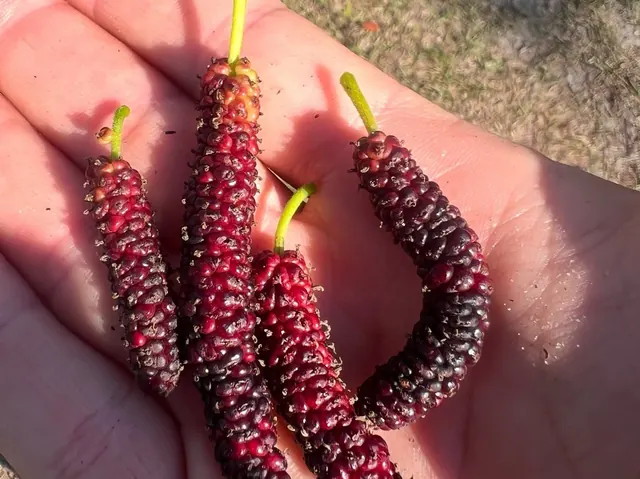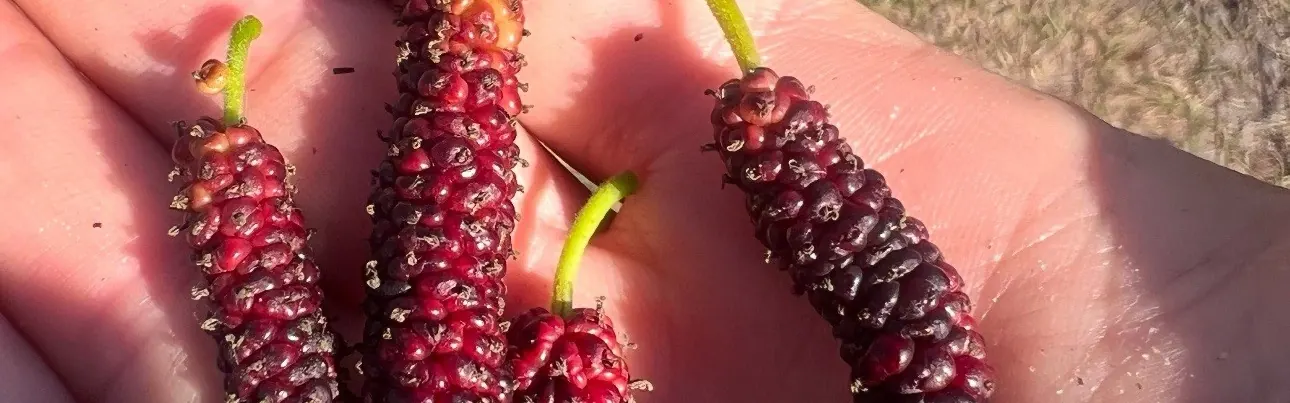
For many South Florida gardeners, the joy of growing goes beyond the familiar. It's about discovering the unique, the exotic, and the truly exceptional. Venturing into the world of rare fruit plants opens up a treasure trove of flavors, textures, and horticultural challenges that invigorate the gardening spirit.
What Is a Rare Fruit Plant for Collectors?
A rare fruit plant, in the context of collectors and enthusiasts, is typically a species or cultivar of fruit-bearing plant that is not widely available through conventional nurseries or grocery stores. This rarity can stem from several factors: limited commercial cultivation due to specialized growing requirements, its origin in a remote or niche geographical region, an unusual flavor profile that doesn't appeal to mass markets, or simply a lack of widespread recognition despite its culinary or ornamental merit. For the true collector, these plants offer a unique opportunity to cultivate something extraordinary, expanding their palate and botanical knowledge. They often represent a quest—to find, propagate, and successfully grow a fruit that few others possess, ultimately leading to unparalleled bragging rights and, of course, delicious rewards.
Why This Matters for Florida Growers
Florida's unique subtropical to tropical climate is a horticultural paradise, allowing us to cultivate an incredibly diverse range of plants that would perish in colder regions. This makes our state a prime location for rare fruit plant collectors. The warm temperatures, abundant rainfall, and varied soil types mimic the native environments of many exotic fruits, providing an ideal canvas for experimentation and discovery.
Furthermore, growing rare fruits contributes to horticultural diversity and conservation. By cultivating lesser-known species, Florida growers help preserve genetic diversity and prevent the complete loss of these precious plants. It also offers a distinct advantage for local food systems, introducing new flavors and potential economic avenues for specialty fruit production. For the home gardener, it's about the thrill of personal discovery, the satisfaction of nurturing a challenging plant, and the unparalleled experience of tasting a fruit that few others have ever encountered, right from your own backyard. It transforms a garden into a living museum of edible wonders, making every harvest an adventure.
Step-by-Step Guide to Acquiring and Establishing Rare Fruit Plants in Florida
Acquiring and successfully establishing rare fruit plants requires a thoughtful approach, particularly in Florida's unique climate.
1. Research & Selection: * Climate Compatibility: Even within Florida, microclimates vary. Understand your USDA hardiness zone (most of South Florida is 10a/10b, central Florida can be 9b) and evaluate chill hour requirements for deciduous rare fruits. Many truly tropical rarities thrive in South Florida (Zone 10b/11a). * Space & Growth Habit: Some rare fruits can become large trees (e.g., certain Garcinia species), while others are shrubs or small trees suitable for containers or smaller spaces (e.g., various Eugenia species or rare mulberries). Know your available space. * Pest & Disease Resistance: Research potential common pests and diseases for your chosen plant in Florida. Some rare fruits are robust; others may require more vigilance. * Pollination Needs: Determine if the plant is self-fertile or requires a cross-pollinator. If it needs a pollinator, plan to acquire two different varieties. * Flavor Profile & Use: Ensure the fruit aligns with your taste preferences and how you intend to use it (fresh eating, jams, juice, etc.).
2. Sourcing Your Rare Gem: * Specialty Nurseries: Reputable rare fruit nurseries (like us!) are often the best source. They understand the nuances of these plants and can offer expert advice. Look for nurseries that propagate their own stock or have reliable sourcing. * Rare Fruit Council International (RFCIs) & Local Chapters: Florida has active RFCIs that host plant sales, scion exchanges, and often have members offering plants or cuttings. This is an incredible resource for unique varieties and local knowledge. * Online Communities & Forums: Be cautious with online private sellers, ensuring they are reputable. Facebook groups dedicated to rare tropical fruit in Florida can be good for local connections. * Plant Sales & Expos: Keep an eye out for regional tropical plant shows and sales. These events often feature vendors with a selection of rare finds. * Cuttings or Seeds: For some extremely rare plants, you might only find access to cuttings (see our guide on Tropical Fruit Cuttings Guide) or seeds (Fruit Plants You Can Start From Seed). This requires more horticultural skill.
3. Site Preparation & Planting: * Soil Amendment: Florida's native soils can be sandy, alkaline, or poorly draining. For almost all rare fruits, amending your soil with good quality compost (How to Establish Young Tropical Fruit Plants) is crucial to improve organic matter, drainage, and nutrient retention. A slightly acidic to neutral pH is preferred by most tropical fruits. * Drainage is Key: Many tropical fruits, especially rare ones, are intolerant of "wet feet." If you have heavy clay or low-lying areas, consider planting on a mound or in a raised bed to ensure excellent drainage. * Sunlight Requirements: Most fruiting rare plants prefer full sun (6+ hours direct sunlight), but some may benefit from afternoon shade, particularly in summer's intense Florida sun (e.g., certain Garcinia species when young). * Wind Protection: Young rare plants can be susceptible to strong Florida winds. Consider planting in a sheltered location or providing temporary windbreaks. * Planting: Dig a hole twice as wide as the root ball and just as deep. Carefully remove the plant from its container, tease out any circling roots, and place it so the top of the root ball is level with or slightly above the surrounding soil. Backfill gently, water thoroughly, and add mulch.
4. Initial Care & Establishment: * Watering: Consistent watering is critical during the establishment phase (first 1-2 years). Deep and infrequent watering encourages deep root growth. Avoid overwatering. * Mulching: Apply a 2-4 inch layer of organic mulch (pine bark, wood chips) around the base of the plant, keeping it a few inches away from the trunk. Mulch helps retain moisture, regulate soil temperature, suppress weeds, and slowly adds organic matter. * Fertilization: Use a balanced, slow-release organic fertilizer specifically formulated for tropical fruit trees. Start with light applications and increase as the plant grows. Address any specific micronutrient deficiencies common in Florida soils (e.g., iron, manganese, boron) with foliar sprays if symptoms appear. * Pest & Disease Monitoring: Regularly inspect your new plant for signs of pests or diseases. Early detection makes control much easier. Use integrated pest management strategies. * Pruning: Initial pruning should focus on shaping the plant, removing dead or crossing branches, and encouraging a strong central leader or an open vase structure, depending on the species.
Best Practices & Pro Tips for Rare Fruit Collectors in Florida
- Join a Rare Fruit Council: This is arguably the single best thing a rare fruit collector in Florida can do. Access to expertise, scion exchanges, plant sales, and fellow enthusiasts is invaluable.
- Embrace Shade Cloth: For particularly sensitive young rare tropicals, especially during the scorching Florida summer, a temporary shade cloth (30-50%) can prevent sunburn and transplant shock.
- Container Growing: Many rare fruits, even those that become large trees, can be successfully grown in large containers for many years (Fruit Plants for Containers and Small Spaces). This allows for portability during cold snaps or hurricane threats. Use high-quality potting mix with excellent drainage.
- Acquire Multiple Varieties: If possible, acquire different varieties of the same rare fruit. This not only offers genetic diversity but can also aid in cross-pollination for better fruit set and provides backup if one plant struggles. For instance, cultivate several unique mulberries (Mulberry) or different heirloom fig varieties (Fig).
- Photographic Journal: Keep a photographic record of your rare plants from planting to fruiting. Note dates, fertilizer applications, pest issues, and harvest times. This information is invaluable for future reference and for sharing with other collectors.
- Propagate Your Own: Once your rare plants are established and healthy, learn to take cuttings (Tropical Fruit Cuttings Guide) or air layer. This allows you to expand your collection, share with others, or have backups.
- Microclimate Awareness: Understand that your yard has microclimates. South-facing walls can offer frost protection, while low-lying areas might be frost pockets. Position your rarest and most sensitive plants accordingly.
Common Mistakes to Avoid
- Overwatering New Plants: This is the most common killer of newly planted tropicals in Florida. Roots need oxygen. Constantly soggy soil leads to root rot. Feel the soil before watering.
- Planting in Undrained Soil: Florida's sandy soils can drain too quickly, but areas with marl or clay can become waterlogged. Always check drainage and amend heavily or plant on mounds if needed.
- Providing Insufficient Cold Protection: Even in South Florida, occasional cold snaps can devastate sensitive rare tropicals. Know your plant's cold hardiness and have a plan for protection (covers, blankets, Christmas lights for warmth).
- Ignoring Nutrient Deficiencies: Florida soils are often lacking in micronutrients. Yellowing leaves, stunted growth, and poor fruit set can be signs. Regular, balanced fertilization and occasional foliar sprays are essential.
- Planting Too Deep: Placing the top of the root ball below the soil line can lead to stem rot and suffocation of roots. Always plant at the same level or slightly higher than it was in the nursery pot.
- Impatience: Rare fruit plants often take longer to establish and fruit than common varieties. Some, like certain Jaboticaba species, can take many years. Patience is a virtue in rare fruit collecting.
- Relying Solely on Online Information: While valuable, always cross-reference online advice with local Florida-specific resources, such as UF/IFAS Extension publications or experienced RFC members.
FAQ About Rare Fruit Plants for Collectors
Q1: What are some good "starter" rare fruits for a Florida collector? A1: For beginners, consider unique cultivars of more common warm-climate fruits like various Pomegranates, rare Mulberry varieties (Mulberry) (e.g., 'Shangri-La', 'Black Beauty'), unusual Fig cultivars (Fig), or some of the more robust Eugenia species like Lemon Surinam Cherry or Grimal Natal Plum. These offer rare flavors with slightly less demanding care than ultra-sensitive species.
Q2: How do I protect my rare fruit plants from cold snaps in Florida? A2: For potted plants, move them indoors or to a sheltered patio. For in-ground plants, water thoroughly before a freeze, cover with frost cloth or blankets extending to the ground, and for larger specimens, use incandescent (old-style) Christmas lights strung through the branches to provide a few degrees of warmth.
Q3: Where can I find more information on specific rare fruit plants suitable for Florida? A3: The University of Florida IFAS Extension website is an invaluable resource (edis.ifas.ufl.edu). Joining a local chapter of the Rare Fruit Council International (RFCIs) will connect you with a wealth of local knowledge, direct plant access, and experienced growers. Our nursery staff are also excellent resources!