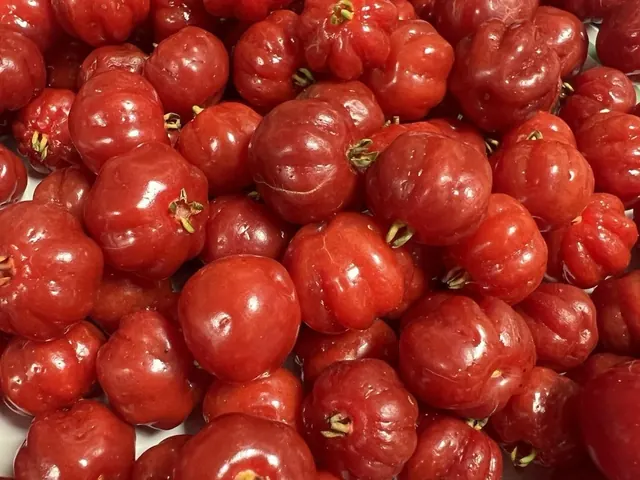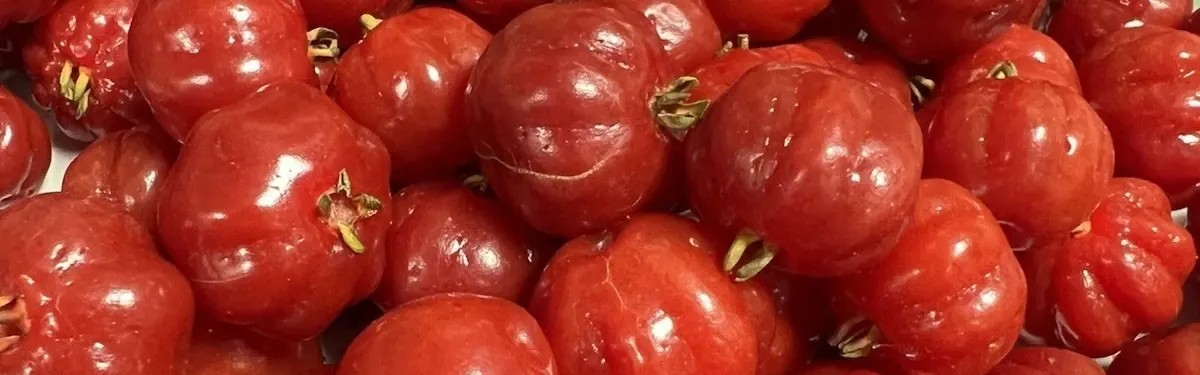
Tired of the same old tomatoes and peppers? South Florida's unique climate opens a world of culinary possibilities beyond conventional garden staples. Discover a vibrant spectrum of flavors and textures that thrive in our subtropical paradise, adding both novelty and abundance to your home garden.
What Are Unusual Edible Plants?
Unusual edible plants are varieties that deviate from the commonly cultivated produce found in mainstream grocery stores and typical home gardens. These can include rare heirloom cultivars, exotic species native to tropical or subtropical regions, or underutilized plants with exceptional culinary attributes. For Florida growers, 'unusual' often means plants that are perfectly adapted to our warm, humid climate and sandy soils, unlike many temperate-zone crops that struggle here. They offer unique flavors, textures, and often provide continuous harvests, breaking the monotony of seasonal planting.
Why This Matters for Florida Growers
Florida's climate presents both challenges and unparalleled opportunities for edible gardening. Our long growing seasons, hot summers, and mild winters mean many traditional temperate edibles are difficult to grow year-round. However, these very conditions are ideal for a vast array of tropical and subtropical edibles that remain largely unknown to the general public.
Growing unusual edible plants in Florida offers several key benefits:
- Climate Suitability: Many unusual edibles are native to or thrive in warm, humid conditions, making them perfectly suited for South Florida's environment, often with less fuss than traditional crops.
- Pest and Disease Resistance: Adapted plants often exhibit better natural resistance to common Florida pests and diseases, reducing the need for chemical interventions.
- Year-Round Harvests: Unlike annual temperate crops, many tropical edibles are perennials, offering continuous or multiple harvests throughout the year, contributing to a more sustainable and productive garden.
- Expanded Culinary Horizons: Introduce exciting new flavors, textures, and nutrients to your diet. From sweet tropical fruits to unique leafy greens and herbs, these plants can transform your cooking.
- Biodiversity & Food Security: Diversifying your garden with rare and underutilized species contributes to agricultural biodiversity and reduces reliance on a limited number of commercial crops. It also offers a higher degree of self-sufficiency.
- Unique Aesthetics: Many unusual edibles are also highly Ornamental, pulling double duty in the landscape. Think Cranberry Hibiscus with its striking red foliage or the architectural beauty of a Jaboticaba tree.
Step-by-Step Guide: Integrating Unusual Edibles into Your Florida Garden
Ready to embark on this delicious adventure? Here’s a practical guide to success:
Step 1: Research and Selection
Start by researching plants that truly thrive in South Florida. Don't just pick something because it sounds exotic; ensure it matches your specific microclimate and gardening style. Consider:
- Sunlight Requirements: Does it need full sun, partial shade, or dappled light?
- Soil Preferences: While many tropicals are adaptable, some prefer well-draining, slightly acidic soil, common in Florida. Know if your soil needs amending.
- Mature Size: How large will it get? Does it fit your space? Many tropical trees can become quite substantial.
- Edible Parts & Uses: What part of the plant is edible (fruit, leaves, roots, flowers)? How is it typically prepared?
- Chill Hour Needs (or lack thereof): Most tropicals prefer zero chill hours, which is perfect for South Florida. Ensure you're not trying to grow a plant that needs a cold snap to fruit.
Step 2: Sourcing Quality Plants
This is crucial for unusual edibles. Don't rely solely on big box stores.
- Specialty Nurseries: Seek out reputable local tropical plant nurseries (like us!) that specialize in Florida-friendly edibles. We often carry a wider selection of rare and adapted plants.
- Online Retailers: For very rare finds, trusted online nurseries that ship to Florida can be an option, but always verify their reputation and plant health. Look for suppliers who understand Florida’s agricultural regulations.
- Plant Sales & Swaps: Gardening clubs and local plant societies often host sales where you can find unique specimens and get advice from experienced growers.
Step 3: Site Preparation and Planting
Once you have your plants, proper installation sets them up for success.
- Soil Improvement: While Florida soil is often sandy, incorporating organic matter (compost, well-rotted manure, worm castings) improves water retention, nutrient availability, and overall soil structure for most plants.
- Drainage: Ensure good drainage whether planting in the ground or in containers. Raised beds can be excellent for many edibles in areas with poor drainage.
- Planting Depth: Plant at the same depth it was in its nursery pot. For trees, ensure the root flare is visible at or slightly above ground level.
- Watering In: Water thoroughly immediately after planting to help settle the soil and eliminate air pockets.
Step 4: Ongoing Care
- Watering: Young plants require consistent watering, especially during dry spells. Established plants often become more drought-tolerant. Observe your plants – wilting is a classic sign of thirst. In South Florida's heat, morning watering is usually best.
- Fertilization: Many tropicals are moderate to heavy feeders. Use a balanced, slow-release granular fertilizer formulated for tropical plants, or supplement with organic options like fish emulsion, compost tea, or worm castings. Follow package directions carefully.
- Pruning: Prune for shape, air circulation, to remove dead or diseased branches, and to encourage more productive growth or fruit set. Understand the specific pruning needs of each plant.
- Pest and Disease Management: Regularly inspect your plants for signs of trouble. Many issues can be managed organically with neem oil, insecticidal soap, or simply by hand-picking pests if caught early. Healthy plants are more resilient.
- Cold Protection: While rare, South Florida can experience cold snaps. Know which of your plants are sensitive to frost and be prepared to cover them or bring container plants indoors if temperatures drop significantly.
Best Practices & Pro Tips for Florida Growers
- Think Perennial: Prioritize perennial edibles that offer continuous harvests and require less replanting than annuals. Many tropical edibles are naturally perennial shrubs or trees.
- Embrace Edible Landscaping: Integrate your unusual edibles directly into your ornamental landscape. Cranberry Hibiscus makes a stunning hedge, while a miracle fruit bush can be a focal point.
- Companion Planting: Utilize beneficial plant combinations to deter pests and improve growth. For example, planting marigolds near vulnerable edibles can repel nematodes.
- Mulch, Mulch, Mulch: A 2-4 inch layer of organic mulch (like pine bark, wood chips, or melaleuca mulch) around your plants conserves moisture, suppresses weeds, regulates soil temperature, and slowly adds organic matter.
- Harvesting Techniques: Learn the optimal time and method for harvesting each plant's edible parts to ensure peak flavor and encourage further production.
- Don't Be Afraid to Experiment: The world of unusual edibles is vast. Try a few new things each season to discover what truly thrives in your microclimate and delights your palate.
Common Mistakes to Avoid
- Planting a Temperate Plant in Tropical Florida: Don't try to force a plant that needs cold stratification or a true winter dormancy to produce fruit in our climate. It’s an exercise in frustration.
- Ignoring Soil Health: Assuming Florida's native sandy soil is sufficient without amendment can lead to nutrient deficiencies and poor growth. Most edibles benefit from enriched soil.
- Overwatering/Underwatering: Too much water can lead to root rot, especially in poorly draining soils. Too little leads to stress and stunted growth. Find the balance.
- Impatience: Some unusual edibles, especially fruit trees, take time to establish and begin producing. Be patient; the rewards are worth the wait.
- Planting Too Close: Give trees and large shrubs ample space to reach their mature size without crowding. Good air circulation is vital in humid Florida to prevent fungal issues.
- Neglecting Pest Identification: Don't spray indiscriminately. Identify the pest first, then choose the most targeted and least toxic treatment.
FAQ
Q: What are some good "starter" unusual edibles for a Florida garden? A: Excellent choices for beginners that thrive in South Florida include Roselle (Hibiscus sabdariffa), Cranberry Hibiscus (Hibiscus acetosella), Malabar Spinach (Basella alba), and even some easy-to-grow fig varieties. These are generally robust and productive. For herbs, try /mexican-mint and /cuban-oregano for unique flavors that love our heat.
Q: Where can I find rare plants in South Florida? A: Your best bet is to visit local, independent nurseries that specialize in tropical and subtropical plants. Many participate in local plant shows and festivals, which are great places to discover new varieties. Online nurseries that cater to warm climates can also be a resource, but always ensure they have good reviews and ship healthy specimens that are compliant with Florida's agricultural regulations.
Q: How do I know if an unusual edible is truly safe to eat? A: Never consume a plant unless you are 100% certain of its identification and edibility. Rely on reputable sources like botanical gardens, university extension offices, and trusted nursery professionals for identification. When trying a new edible, start with a small amount.
Q: Can I grow unusual edibles in containers? A: Absolutely! Many unusual edibles, especially herbs, smaller fruit shrubs, and even dwarf fruit trees, do very well in containers. Examples include many types of specialty Eugenia species, most mulberry cultivars, and even dwarf fig varieties. Ensure the container is appropriately sized for the plant's mature root system and has excellent drainage. This is a great way to grow /container-friendly-edible-plants even in limited spaces.