Beyond the familiar tomatoes and peppers, a world of extraordinary flavors awaits the adventurous South Florida gardener. Cultivating rare edible plants not only diversifies your palate but also offers a rewarding connection to unique botanical treasures, many perfectly suited to our subtropical climate. This guide will walk you through the exciting journey of growing these culinary curiosities right in your backyard.
What Are Rare Edible Plants?
Rare edible plants are typically species or varieties that are not widely cultivated or commercially available in mainstream nurseries or grocery stores. For home growers, this often means plants that possess unique flavors, textures, or nutritional profiles, but might be less productive than conventional crops, have very specific growing requirements, or are simply not well-known outside of their native regions. In South Florida, "rare" can also describe edibles that thrive here but are uncommon in other parts of the United States due to our distinct tropical and subtropical conditions. These plants often offer disease resistance or heat tolerance that common edibles lack, making them surprisingly suitable for our demanding environment.
Why This Matters for Florida Growers
South Florida's unique climate, characterized by warm temperatures, high humidity, and distinct wet and dry seasons, poses challenges for many traditional temperate crops. However, it provides an ideal environment for a vast array of tropical and subtropical edibles that are considered "rare" elsewhere. By embracing these unusual edible plants, Florida growers can:
- Expand Culinary Horizons: Introduce exciting new flavors and ingredients to your kitchen, moving beyond the everyday and exploring global cuisines.
- Enhance Nutritional Intake: Many rare edibles are packed with vitamins, minerals, and antioxidants, often surpassing the nutritional content of common supermarket produce.
- Boost Garden Resilience: Many uncommon edibles are naturally adapted to our climate, exhibiting better disease resistance and heat tolerance than conventional crops, leading to more successful harvests with less effort.
- Support Biodiversity: By growing and sharing rare plants, you contribute to the conservation of genetic diversity in our food systems and help prevent the loss of valuable plant species.
- Attract Pollinators & Wildlife: Many edible plants offer blossoms and fruits that attract bees, butterflies, and birds, contributing to a healthy garden ecosystem.
- Experience the Joy of Discovery: There's immense satisfaction in successfully cultivating something truly unique, something your neighbors likely haven't seen or tasted. This aligns well with the spirit of /collector-friendly-tropical-plants.
Step-by-Step Guide to Growing Rare Edibles
Successfully cultivating rare edible plants in South Florida involves careful planning and understanding of their specific needs.
1. Research, Research, Research
Before acquiring any plant, spend time understanding its environmental preferences. * Sunlight: Does it need full sun, partial shade, or dappled light? Many understory tropical edibles prefer some protection from intense afternoon sun. * Soil: What are its ideal soil pH, drainage requirements, and fertility needs? Most sandy Florida soils benefit from significant organic matter amendment. * Watering: Is it drought-tolerant, or does it prefer consistently moist conditions? * Mature Size: How large will it get? Plan for adequate space to avoid overcrowding. * Pest & Disease Resistance: While many are robust, be aware of any common issues specific to South Florida. * Edible Parts & Harvest Time: Know which parts are edible and when they are best harvested. This helps you anticipate the reward!
Consider plants like /mexican-mint, /cuban-oregano, or /cranberry-hibiscus-growing-guide to start your research journey, as they are well-suited to our climate.
2. Sourcing Your Plants
This is often the most challenging part of growing rare edibles. * Specialty Nurseries: Look for local tropical plant nurseries that specialize in edibles or rare plants. These are often the best source for healthy, acclimatized plants. * Online Vendors: Many reputable online sellers offer rare plant seeds and seedlings. Be sure to check reviews and ensure they are shipping plants suitable for your USDA hardiness zone (10a/10b for South Florida). Our guide on /how-to-buy-rare-plants-online offers excellent advice. * Seed Exchanges & Plant Swaps: Local garden clubs or permaculture groups are excellent places to find unique plants and connect with experienced growers. * Cuttings: Some rare plants propagate easily from cuttings. If you know someone growing a desired plant, ask for a cutting.
3. Soil Preparation is Key
South Florida's native sandy soils are often low in organic matter and nutrients. * Amend Extensively: For in-ground planting, incorporate generous amounts of compost, well-rotted manure, and other organic matter to improve soil structure, water retention, and fertility. * Raised Beds/Containers: For plants needing specific soil conditions or excellent drainage, raised beds or containers filled with a high-quality potting mix (amended with perlite or pine bark for drainage) are ideal. This is especially useful for /container-friendly-edible-plants. * pH: Most tropical edibles prefer a slightly acidic to neutral pH (6.0-7.0), which can often be achieved with organic amendments.
4. Planting and Establishment
- Timing: Plant during the cooler, drier months (late fall to early spring) to allow plants to establish before the intense summer heat and heavy rains.
- Watering: Water deeply and regularly after planting to help establish a strong root system. Reduce frequency once established, always checking soil moisture.
- Mulch: Apply a 2-4 inch layer of organic mulch (wood chips, pine bark, straw) around your new plants. Mulch conserves moisture, suppresses weeds, and moderates soil temperature – crucial in our hot climate.
5. Ongoing Care
- Fertilization: While many rare edibles are adapted to less fertile conditions, a balanced organic fertilizer or compost tea applied periodically will support healthy growth and fruiting. Adjust frequency based on the plant's needs and soil fertility.
- Pruning: Prune to maintain shape, improve air circulation, and encourage fruiting. Remove dead or diseased branches.
- Pest & Disease Management: Regularly inspect your plants. Many rare edibles are quite resilient, but address any issues promptly with organic solutions (neem oil, insecticidal soap) if necessary.
- Protection: Even in South Florida, occasional cold snaps can occur. Be prepared to cover sensitive plants if temperatures dip below 45°F (7°C).
Best Practices & Pro Tips for Florida Growers
- Embrace Perennials: Many rare edibles are perennials, offering continuous harvests without annual replanting. This is a huge advantage in our year-round growing season, as discussed in /perennial-edible-plants-hot-climates.
- Microclimates are Your Friend: Utilize the various microclimates in your garden. A plant needing partial shade might thrive on the east side of your house or under the canopy of a larger tree.
- Water Wisely: Even drought-tolerant plants need regular watering during establishment and prolonged dry spells. Hand-watering allows you to monitor plant health closely.
- Consider Companion Planting: Some plants benefit from growing near others. For instance, certain herbs can deter pests.
- Start Small: Don't overwhelm yourself. Choose one or two new rare edibles to start with each season, learn their needs, and expand your collection gradually. This is similar to the advice in /easy-edible-plants-for-beginners.
- Documentation: Keep a garden journal. Note planting dates, watering schedules, fertilization, and observations about growth and yield. This data is invaluable for future success.
- Connect with Local Growers: The best advice often comes from those who have successfully grown these plants in your specific area. Join local garden groups or online forums.
Top Rare Edible Plants for South Florida (Beyond the common)
This section expands upon the existing content and introduces new recommendations specifically for Florida's unique climate, aligning with /best-edible-plants-florida and /useful-garden-plants-beyond-common-vegetables.
- Roselle ( Hibiscus sabdariffa ): A true superstar for Florida. Its tart calyces (the fleshy leaf-like structures surrounding the seed pod) are perfect for teas, jams, sauces, and refreshing beverages. The young leaves are also edible, used in salads or cooked. Extremely heat and humidity tolerant, it prefers full sun and well-drained soil. A must-grow for unique flavor and visual appeal.
- Cranberry Hibiscus ( Hibiscus acetosella ): With its striking burgundy, maple-leaf-shaped foliage, Cranberry Hibiscus is both ornamental and edible. The leaves have a tart, cranberry-like flavor and can be eaten raw in salads (adding vibrant color) or cooked. It's fast-growing, adaptable, and a fantastic addition for visual interest and culinary delight. See our full guide at /cranberry-hibiscus-growing-guide.
- Cuban Oregano ( Plectranthus amboinicus ): Not a true oregano, but its intensely aromatic, succulent leaves deliver a potent, pungent oregano-like flavor perfect for Caribbean, Latin American, and Asian dishes. It thrives in Florida's heat and humidity, making it an ideal choice for /tropical-herbs-warm-climates and /specialty-herbs-warm-climate-growers. It's exceptionally easy to grow from cuttings and tolerates both full sun and partial shade. Our plant profile provides more details: /cuban-oregano.
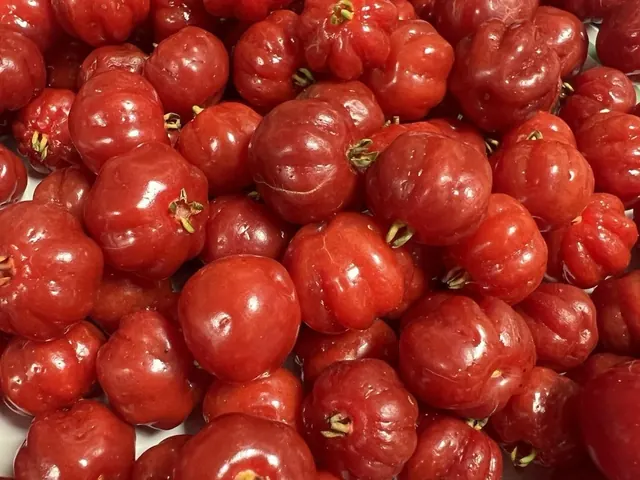
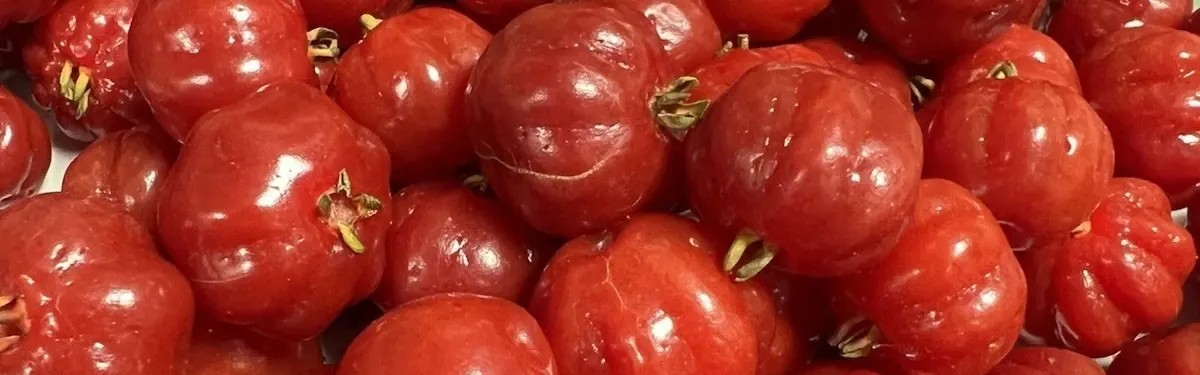
- Surinam Cherry ( Eugenia uniflora ): This fast-growing shrub or small tree produces unique, ribbed, bright red to dark purple fruits with a juicy, somewhat resinous flavor that's tart and sweet. Excellent for fresh eating, jellies, or preserves. It's highly adaptable, tolerates various soil types, and is drought-resistant once established. A truly Florida-friendly fruit.
- Longevity Spinach ( Gynura procumbens ): An easy-to-grow, perennial, heat-tolerant leafy green. The slightly succulent leaves have a mild, pleasant flavor and are packed with nutrients. Often eaten raw in salads, stir-fries, or smoothies. Great for continuous harvest and perfect for areas where traditional spinach struggles.
- Sweet Leaf Bush ( Sauropus androgynus ): A lesser-known but highly productive perennial leafy green. The small leaves are rich in protein, vitamins, and minerals, with a mild, nutty flavor. Can be eaten raw or cooked. It grows quickly into a medium-sized shrub and is very heat and humidity tolerant.
- Okinawan Spinach ( Gynura bicolor ): Similar to Longevity Spinach, this heat-loving perennial sports attractive green tops and purple undersides. The slightly mucilaginous leaves are delicious in stir-fries, soups, or added to salads for a nutritional boost. Resilient and self-sufficient in the South Florida garden.
Common Mistakes to Avoid
- Overwatering: While Florida is humid, many tropical edibles prefer well-drained soil. Soggy roots lead to root rot. Let the top inch or two of soil dry out between waterings.
- Planting in Poor Soil: Expecting exotic plants to thrive in unamended, nutrient-poor sand is a recipe for disappointment. Invest in soil improvement.
- Ignoring Sunlight Needs: Too much direct, scorching Florida sun can burn the leaves of plants that prefer partial shade, while too little sun will lead to leggy growth and poor fruiting for sun-lovers.
- Impatience: Rare edibles, especially perennial fruits and trees, often take time to establish and become productive. Give them time and consistent care.
- Not Protecting from Cold: Even brief dips into the 30s or low 40s Fahrenheit can severely damage or kill tender tropical plants.
- Underestimating Mature Size: A small plant in a pot can grow into a large bush or small tree. Plan ahead to avoid transplant shock or overcrowding.
FAQ About Rare Edible Plants for Florida
Q1: Where can I find rare edible plants in South Florida? A1: Look for specialty tropical plant nurseries, farmers' markets with plant vendors, local garden club sales, and reputable online plant retailers that ship to your USDA Zone. Online forums and social media groups for Florida gardeners can also be great resources for plant swaps and recommendations.
Q2: Do rare edibles require more attention than common garden vegetables? A2: Not necessarily. Many rare edibles are surprisingly low-maintenance once established, especially those naturally adapted to tropical climates like ours. The primary "extra" effort is often in the initial research, sourcing, and proper soil preparation. Once mature, many are more resilient to Florida's challenges than common temperate vegetables.
Q3: Are all rare edible plants safe to eat? A3: No. "Rare" does not automatically mean edible or safe. Always positively identify any plant before consuming it. Only eat parts of a plant that are known to be edible. If in doubt, do not consume. It is crucial to be certain of a plant's identity and edibility, as some plants have toxic look-alikes.
Q4: Can I grow rare edibles in containers in South Florida? A4: Absolutely! Many rare edible plants, especially herbs and smaller shrubs like Cuban Oregano or Longevity Spinach, thrive in containers. This allows you to control soil quality precisely and move plants for optimal sun exposure or cold protection. Ensure containers have excellent drainage and use a high-quality potting mix. Our guide on /container-friendly-edible-plants offers more tips.