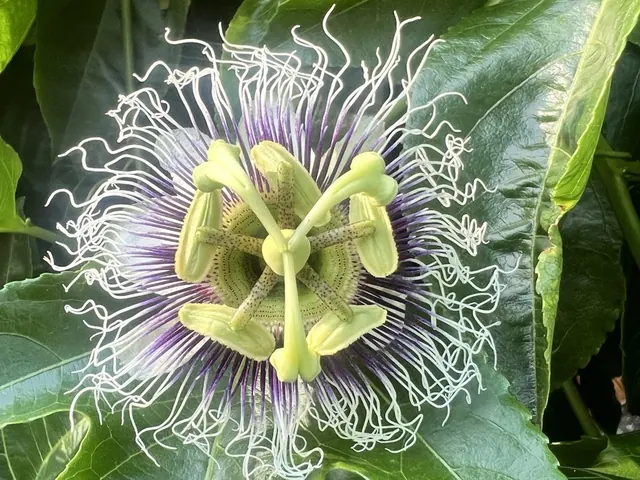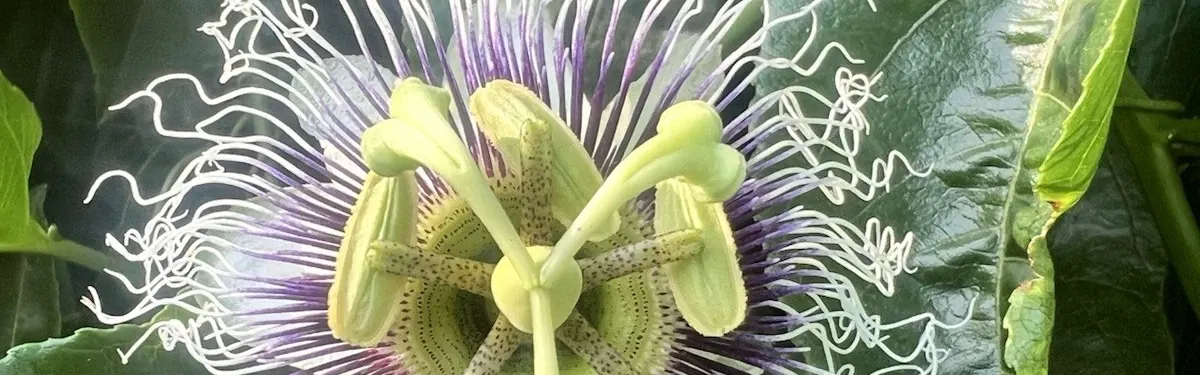
South Florida's unique climate offers an unparalleled opportunity for gardeners to cultivate a dazzling array of plants that would perish in colder zones. Beyond the familiar hibiscus and plumeria, a world of extraordinary specialty plants thrives here, transforming landscapes into botanical showcases and backyard orchards into tropical havens. Embracing these unique species allows you to create a truly distinctive and productive garden that celebrates Florida's subtropical bounty.
What Are Specialty Plants for Warm-Climate Growers?
Specialty plants for warm-climate growers refers to a curated selection of botanical treasures that not only tolerate but genuinely flourish in the consistently high temperatures, abundant humidity, and usually frost-free conditions characteristic of USDA Zones 9, 10, and 11. Unlike common landscape plants, these often exotic or less-common species offer unique aesthetic appeal, culinary delights, or medicinal properties. They are chosen specifically because their physiological needs—such as a lack of chilling requirements, a demand for consistent warmth, or an affinity for high atmospheric moisture—are perfectly met by environments like South Florida. These plants often emerge from tropical and subtropical regions globally, making our climate an ideal, sympathetic match for their cultivation.
Why This Matters for Florida Growers
For gardeners in Florida, especially those in Zones 9b-11, understanding and embracing specialty plants is key to unlocking the full potential of their landscape. Our climate dictates what will merely survive versus what will truly thrive. Attempting to grow plants suited for temperate zones often leads to disappointment, disease, and a constant battle against the elements. Focusing on specialty warm-climate plants means:
- Optimal Performance: These plants are naturally adapted to our heat and humidity, leading to robust growth, vibrant blooms, and prolific fruiting with less intervention.
- Reduced Disease & Pest Pressure: Many specialty tropical plants have evolved defenses against the types of pests and fungal issues common in humid environments, whereas temperate plants often struggle and become susceptible.
- Unique Aesthetic & Edible Value: Expand your garden's interest beyond common offerings. Imagine harvesting exotic fruits like jaboticaba or carambola from your own yard, or adorning your landscape with rare palms and flowering trees that are true showstoppers.
- Florida-Friendly Principles: Many specialty plants, once established, can be relatively low-maintenance, contributing to water conservation and reduced chemical reliance, aligning perfectly with general /florida-tropical-growing-overview principles.
- Local Resilience: By selecting plants truly suited to our conditions, you build a more resilient garden better equipped to handle hurricane season, intense summer rains, and prolonged heat waves, unlike plants struggling outside their ideal range.
Step-by-Step Guide to Growing Specialty Plants
Embarking on the journey of growing specialty warm-climate plants can be incredibly rewarding. Follow these steps to ensure success:
1. Research and Selection: The Foundation of Success
Before you buy a single plant, spend time researching. Consider:
- Your USDA Zone: Most of South Florida is 10a-11, but parts of Central Florida are 9b. Know your specific zone to avoid tender plants that might perish in a rare frost.
- Sunlight Availability: Is your chosen spot full sun (6+ hours direct), partial sun (3-6 hours), or shade? Match the plant's needs precisely.
- Soil Type and Drainage: Florida soils vary. Some are sandy and well-draining, others are mucky or have a hardpan. Many specialty plants detest "wet feet." Assess your soil or plan for significant amendments.
- Mature Size: Account for the plant's ultimate height and spread. Don't plant a massive fruit tree under power lines or too close to your house.
- Specific Microclimates: Do you have a sheltered spot from wind or a cooler area that receives afternoon shade? These microclimates can expand your planting options.
- Desired Function: Are you looking for exotic fruits (/heat-tolerant-edible-fruiting-plants), a unique ornamental tree, a fragrant shrub, or a collector's item?
Pro-Tip: Start with resilient, well-known varieties. For example, while many palms thrive here (/adonidia-christmas-palm, /areca-palm, /pygmy-date-palm), some are more sensitive. Consider more robust options as a beginner. For further inspiration, explore /what-to-plant-florida-by-season.
2. Sourcing Your Plants
Avoid impulse buys at big box stores for truly specialty items. Seek out:
- Specialty Tropical Nurseries: These nurseries, like ours, specialize in warm-climate plants, often carrying rarer varieties and offering expert advice.
- Local Plant Sales & Shows: Often hosted by botanical gardens or plant societies, these events are excellent for finding unique specimens and connecting with experienced growers.
- Reputable Online Retailers: If buying online, ensure the seller specializes in tropicals and has good reviews for shipping live plants.
3. Site Preparation: A Healthy Start
Proper site preparation is crucial, especially in Florida's often challenging soils.
- Soil Amendment: For sandy soils, incorporate generous amounts of organic matter like compost, well-rotted manure, or peat to improve water retention and nutrient availability. For heavy, poorly draining soils, amend with pine bark fines, perlite, and compost to enhance drainage.
- Raised Beds: If drainage is a persistent issue, consider building raised beds. This is particularly effective for plants that are sensitive to standing water.
- pH Adjustment: Most tropical plants prefer slightly acidic to neutral soils (pH 5.5-7.0). Test your soil. If it's too alkaline (common in areas with limestone bedrock), amendments like elemental sulfur or acidic organic matter can help.
4. Planting Technique
The way you plant directly impacts establishment.
- Dig a Wide Hole: Dig a hole at least twice as wide as the root ball, but no deeper.
- Position Correctly: Place the plant in the hole so that the top of the root ball is level with or slightly above the surrounding soil surface. This is vital in Florida to prevent root rot in soggy conditions.
- Backfill Gently: Backfill with your amended soil, gently tamping to remove large air pockets. Avoid compacting the soil excessively.
- Water Thoroughly: Water deeply immediately after planting to further settle the soil and eliminate air pockets.
- Mulch: Apply a 2-4 inch layer of organic mulch (pine bark, wood chips) around the plant, keeping it a few inches away from the trunk. Mulch conserves moisture, moderates soil temperature, and suppresses weeds.
5. Post-Planting Care: Nurturing Growth
- Watering: The first few months are critical for establishment. Water regularly, usually daily or every other day, especially during dry periods, until the plant is well-rooted. Gradually reduce frequency as the plant matures, but always monitor for signs of drought stress. Remember that /humidity-loving-plants-florida-growers might still need supplemental irrigation during dry spells.
- Fertilization: Most specialty tropicals benefit from a balanced, slow-release fertilizer designed for tropical plants. Follow package directions, and start with a lighter application for newly planted specimens. Established plants may benefit from regular feeding during growing seasons. Look for formulations with micronutrients like iron, manganese, and magnesium, which are often deficient in Florida soils.
- Pest and Disease Monitoring: Regularly inspect your plants for any signs of pests or disease. Early detection is key to effective management. Many issues can be resolved with horticultural oils or insecticidal soaps if caught early.
- Pruning: Prune for shape, health, and to encourage more flowers or fruit. Remove dead, diseased, or crossing branches. Learn the specific pruning needs of each plant.
- Cold Protection (Zones 9-10a): Even in Florida, rare cold snaps can occur. Be prepared to protect tender plants with frost cloths, blankets, or even temporary shelters if temperatures are forecast to dip below 35-40°F. For /growing-tropical-plants-new-smyrna-beach-conditions, this is particularly important.
Best Practices & Pro Tips
- Observe Your Climate & Microclimates: Pay attention to how sun moves across your yard, where water tends to collect, and which areas are sheltered. This knowledge is invaluable for plant placement.
- Embrace Organic Matter: Continuously amend your soil with compost. It improves structure, provides slow-release nutrients, and fosters beneficial soil microbes.
- Patience is a Virtue: Some specialty plants, especially fruit trees, can take a few years to establish and produce. Don't get discouraged!
- Learn from Local Experts: Join local plant societies, visit botanical gardens, and ask questions at reputable nurseries. There's a wealth of knowledge available.
- Consider a Rain Barrel: Collect rainwater for your specialty plants; they often prefer it over chlorinated tap water.
- Succession Planting: For edible specialty plants, consider planting different varieties that mature at different times to extend your harvest season.
- Interplanting: Use beneficial companion plants to deter pests or attract pollinators, aligning with smart garden design principles outlined in /warm-climate-growing-for-beginners.
- Embrace Potted Plants: For particularly rare or cold-sensitive specimens, consider growing them in large containers that can be moved indoors or to a sheltered spot during cold weather.
Common Mistakes to Avoid
- Ignoring Soil Drainage: This is perhaps the biggest killer of specialty tropical plants in Florida. Most cannot tolerate prolonged waterlogging.
- Planting Too Deep: Planting a tree or shrub too deep will lead to suffocation of the root collar and eventual decline.
- Overwatering, Especially in Clay/Muck Soils: While tropicals love humidity, their roots still need oxygen. Less frequent, deeper watering is generally better than shallow, daily watering (once established).
- Underestimating Mature Size: A small plant in a pot can become a massive tree. Plan ahead to avoid future headaches.
- Failure to Protect from Cold: A single unexpected freeze can wipe out years of growth for tender specialty plants. Always have a cold protection plan.
- Neglecting Micronutrients: Florida's alkaline soils can lock up essential micronutrients, leading to chlorosis (yellowing leaves) and stunted growth. Regularly apply a good micronutrient supplement or fertilizer containing them.
- Picking the Wrong Plant for the Spot: Don't try to force a full-sun plant into deep shade or a salt-intolerant plant into a coastal, salt-laden environment (/best-plants-coastal-florida, /salt-air-coastal-growing-tips).
FAQ
Q1: What are some good specialty fruit trees for a beginner in South Florida? A1: Excellent choices for beginners include various mango cultivars (known for their heat tolerance and delicious fruit), carambola (star fruit) which is relatively low-maintenance, and jaboticaba for its unique trunk-borne fruit and adaptability. Avocado and lychee are also popular but require a bit more attention to watering and specific varieties. For more ideas check out /heat-tolerant-edible-fruiting-plants.
Q2: Do specialty tropical plants require more fertilizer than common landscape plants? A2: Not necessarily more, but often different. Many specialty tropicals are heavy feeders and benefit from a consistent supply of nutrients, particularly during their active growing seasons. However, the type of fertilizer is crucial – look for slow-release formulations designed for tropical plants, often with a higher potassium content and essential micronutrients like magnesium, iron, and manganese, which are frequently lacking in Florida soils.
Q3: How do I protect my specialty plants from hurricane winds in Florida? A3: Plan proactive measures. For smaller plants, bring them indoors or into a garage. For larger trees and shrubs, ensure they are well-established and have a strong root system. Prune out dead or weak branches before hurricane season. Stake young trees properly. While you can't guarantee full safety, a healthy, well-maintained plant stands a much better chance. For palms specifically, such as /queen-palm or /foxtail-palm, proper establishment is key.
Q4: My specialty plant's leaves are turning yellow, but I'm watering it. What could be wrong? A4: Yellowing leaves (chlorosis) in well-watered tropical plants in Florida often indicate a micronutrient deficiency, most commonly iron or magnesium. This is prevalent in our often alkaline, sandy soils where these nutrients can be "locked up." Try applying a chelated micronutrient spray or a granular supplement specifically formulated for tropicals. Overwatering, leading to root rot, can also cause yellowing, so check your soil moisture carefully before adding more water.