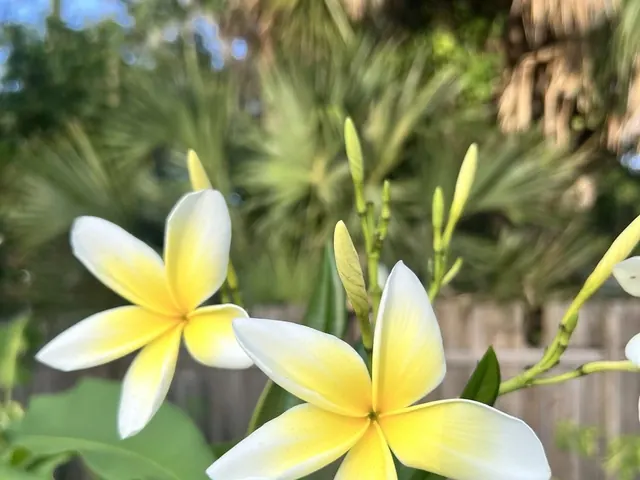
Breathe new life into your South Florida garden with the spectacular Mexican Sunflower, Tithonia diversifolia! This vibrant, fast-growing powerhouse brings a burst of fiery orange and a parade of pollinators, transforming any landscape into a lively, tropical haven. Perfect for adding a dramatic backdrop or a cheerful splash of color, this sun-loving beauty is a true garden hero.
Overview
Mexican Sunflower, also known as Tree Marigold or Japanese Sunflower, is a fascinating and highly beneficial plant for the subtropical environment. Despite its name, it's not a true sunflower but belongs to the daisy family (Asteraceae). It boasts large, daisy-like flowers with brilliant orange petals and yellow centers, flourishing particularly well in the warm, humid conditions of Florida. It's renowned for its rapid growth, ability to attract a wide array of beneficial insects, and its potential as a "chop and drop" fertilizer due to its high nutrient content.
- Botanical Name: Tithonia diversifolia
- Common Names: Mexican Sunflower, Tree Marigold, Japanese Sunflower, Nitobe Chrysanthemum
- Plant Type: Fast-growing perennial shrub (often grown as an annual in cooler climates)
- Mature Size: 6-10 feet tall and 3-6 feet wide, but can grow larger in ideal conditions.
- Flower Color: Bright orange with yellow centers
- Bloom Time: Spring through fall, year-round in frost-free climates
- Foliage: Large, deeply lobed, velvety green leaves
Growing Conditions
- Light: Mexican Sunflower thrives in full sun, requiring at least 6-8 hours of direct sunlight per day to produce abundant blooms and maintain a sturdy habit. In South Florida, it can handle the intense summer sun with ease.
- Soil: This adaptable plant isn't overly fussy about soil, but it performs best in well-draining soil. It tolerates a range of soil types, from sandy to loamy, but will benefit from added organic matter. It's known for its ability to grow in poor soils.
- Water: While relatively drought-tolerant once established, especially in Florida's rainy season, regular watering is recommended for optimum growth and flowering. Water deeply when the top few inches of soil feel dry, particularly during prolonged dry spells. Avoid constantly soggy conditions.
- Temperature: As a true tropical plant, Tithonia diversifolia loves warmth. It flourishes in temperatures above 60°F (15°C) and will suffer damage or die back with frost. This makes it a perfect perennial for South Florida's frost-free climate.
- USDA Hardiness Zones: 9-11. In Florida, it's a perennial in zones 9b and higher, and thrives year-round in zones 10-11.
Care & Maintenance
- Fertilization: Mexican Sunflower is a vigorous grower and benefits from moderate fertilization, especially if growing in poor soil. A balanced slow-release fertilizer or regular applications of a liquid organic fertilizer during the growing season will encourage lush growth and prolific blooms. Many Florida gardeners use it as a "chop and drop" dynamic accumulator, meaning its nutrient-rich leaves can be pruned and left at the base of other plants to enrich the soil naturally.
- Pruning: Regular pruning is key to managing its size and promoting bushiness and more flowers. Pinch back young plants to encourage branching. After a flush of blooms, deadhead spent flowers to encourage new ones. In South Florida, it can be cut back aggressively (even to just a few feet tall) in late winter or early spring to rejuvenate the plant and maintain a more compact shape.
- Support: Due to its rapid growth and potential height, plants in exposed, windy locations may benefit from staking or growing against a fence for support, especially when heavily laden with blooms.
Propagation Tips
Propagating Mexican Sunflower is incredibly easy, making it a favorite among gardeners!
- Seeds: Collect mature seeds from spent flowers. Sow seeds directly into prepared garden beds after the last chance of frost or start them indoors a few weeks earlier. They germinate readily in warm soil.
- Cuttings: This is the most common method in South Florida. Take 6-8 inch cuttings from healthy, non-flowering stems. Remove lower leaves and place the cuttings in water or a well-draining potting mix. They root quickly, often within a couple of weeks, especially during the warmer months. You can even stick cuttings directly into moist garden soil with good success.
Common Problems & Solutions
Mexican Sunflower is generally a very resilient plant with few serious issues, particularly in its ideal climate.
- Pests: Occasionally, aphids or whiteflies might appear, especially on new growth.
- Solution: A strong spray of water or an application of insecticidal soap can usually control these pests. Encourage beneficial insects (which Tithonia attracts!) to help keep pest populations in check.
- Diseases: Rarely affected by serious diseases. Poor air circulation or overly wet conditions could lead to powdery mildew.
- Solution: Ensure good air circulation through proper spacing and pruning. Neem oil can also help manage mildew.
- Leggy Growth: If plants become tall and spindly with fewer flowers, it's usually due to insufficient sunlight or lack of pruning.
- Solution: Move to a sunnier location or prune aggressively to encourage bushier growth and more blooms.
Why Grow This Plant?
For South Florida gardeners, the Mexican Sunflower is an absolute must-have! Its vibrant, cheerful orange flowers are a magnet for local pollinators, including butterflies (especially Monarchs, Swallowtails, and migrating Painted Ladies!), bees, and hummingbirds, turning your garden into a buzzing, fluttering spectacle. It's incredibly fast-growing, making it perfect for quickly filling in empty spaces or creating an instant privacy screen. Beyond its aesthetic appeal, its nutrient-rich foliage makes it an excellent "chop and drop" fertilizer, enhancing your garden's soil health naturally. Easy to care for, drought-tolerant once established, and a true powerhouse for wildlife, Tithonia diversifolia brings a generous dose of tropical charm and ecological benefit to any Florida landscape.