Looking for a versatile, low-maintenance, and eye-catching plant to elevate your South Florida landscape? Look no further than the remarkable Clusia, also known as the Autograph Tree or Pitch Apple. This native Floridian gem offers unparalleled beauty and functionality, making it a favorite for hedges, privacy screens, and even unique specimen plantings.
Overview
- Botanical Name: Clusia rosea
- Common Names: Clusia, Autograph Tree, Pitch Apple, Balsam Apple, Copey
- Plant Type: Evergreen shrub or small tree
- Mature Size: Typically 15-30 feet tall and wide in cultivation, though can be larger in its native habitat. Easily kept smaller with pruning.
- Growth Rate: Moderate to fast
- Origin: Native to Florida, the Caribbean, and Central America
- Foliage: Thick, leathery, dark green paddle-shaped leaves
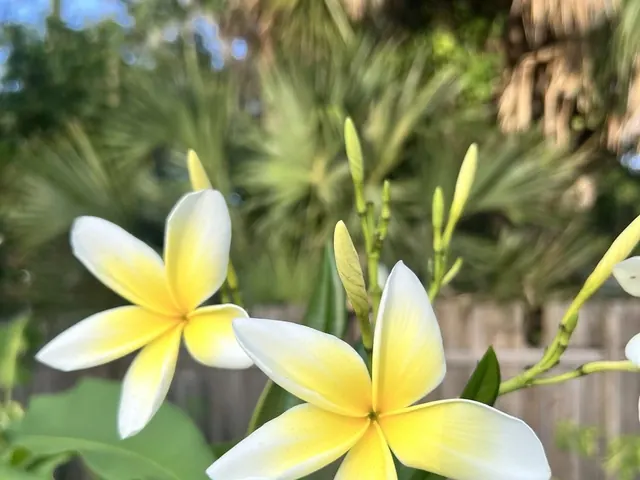
- Flowers: Pale pink or white, cup-shaped, fragrant, typically blooming summer to fall. Often hidden by foliage.
- Fruit: Round, green capsule that splits open when mature to reveal red-orange seeds, attracting birds.
- Toxicity: Mildly toxic if ingested, primarily the fruit. Keep away from pets and curious children. Avoid contact with sap as it can cause skin irritation in sensitive individuals.
Growing Conditions
- Light: Clusia thrives in full sun to partial shade. For optimal density and flowering, full sun (at least 6 hours of direct sunlight) is recommended. In very intense, all-day sun, some afternoon shade can be beneficial to prevent leaf scorch, especially in young plants.
- Soil: Highly adaptable to various soil types, but prefers well-draining soil. It tolerates sandy soils, loamy soils, and even slightly alkaline conditions. Avoid consistently wet or waterlogged soil, as this can lead to root rot.
- Water: Once established, Clusia is remarkably drought-tolerant. Young plants will require regular watering (2-3 times per week) to establish a strong root system. Mature plants benefit from occasional deep watering during prolonged dry periods, especially if grown in containers. Overwatering is a common mistake; allow the top few inches of soil to dry out between waterings.
- Temperature: Clusia is a tropical plant and is quite tolerant of Florida's heat and humidity. It is sensitive to frost and freezing temperatures.
- USDA Zones: 10b-11. In cooler parts of Zone 10b, provide protection during cold snaps.
Care & Maintenance
Clusia is renowned for its low-maintenance nature, making it a perfect choice for busy homeowners.
- Pruning:
- Hedges: For a dense, formal hedge, prune regularly to maintain desired shape and size. Clusia responds very well to shearing.
- Trees: As a small tree, prune to maintain an attractive canopy and remove any dead or crossing branches.
- Timing: Pruning can be done almost any time of year in South Florida, but late spring after the last chance of frost or early fall before the plant puts on a flush of new growth is ideal for significant shaping. Avoid heavy pruning late in the growing season as new growth may be susceptible to cold.
- Fertilizing: While Clusia isn't a heavy feeder, a slow-release granular fertilizer formulated for tropical plants can be applied twice a year (early spring and late summer). Follow package directions for application rates. Avoid fertilizing during the dormant winter months.
- Mulching: Apply a 2-3 inch layer of organic mulch (such as pine bark or cypress mulch) around the base of the plant. This helps retain soil moisture, suppress weeds, and regulate soil temperature. Keep mulch a few inches away from the trunk to prevent rot.
Propagation Tips
Clusia is relatively easy to propagate from cuttings.
- Stem Cuttings: Take 6-8 inch long cuttings from healthy, semi-hardwood stems. Remove the leaves from the bottom 2-3 inches. Dip the cut end in rooting hormone and plant into a well-draining potting mix. Keep the soil consistently moist (but not waterlogged) and provide high humidity (a clear plastic bag over the pot can help). Cuttings typically root within 4-8 weeks.
Common Problems & Solutions
Overall, Clusia is a very tough and disease-resistant plant, but a few issues can occasionally arise:
- Root Rot: Primarily caused by overwatering or poorly draining soil.
- Solution: Ensure excellent drainage. For potted plants, use a well-draining potting mix and a pot with drainage holes. For in-ground plants, amend heavy clay soils with organic matter to improve drainage. Remove affected plants and allow roots to dry if caught early, or replace if severely impacted.
- Scale Insects: Small, immobile pests that attach to stems and leaves, sucking sap. They look like tiny bumps.
- Solution: For minor infestations, wipe off with a damp cloth or horticultural oil. For heavier infestations, apply horticultural oil or a systemic insecticide according to product instructions.
- Mealybugs: Soft-bodied, white, cottony insects that cluster in leaf axils and on stems.
- Solution: Treat similarly to scale insects with horticultural oil or insecticidal soap.
Why Grow This Plant?
The Clusia is an absolute superstar for Florida landscapes, offering a multitude of benefits:
- Exceptional Hedges & Privacy Screens: Its dense, evergreen foliage makes it a top choice for creating living walls that offer year-round privacy and noise reduction.
- Drought & Salt Tolerance: Once established, it handles Florida's dry spells and coastal conditions remarkably well.
- Low Maintenance: Requires minimal attention beyond occasional pruning and watering.
- Unique Foliage: The thick, paddle-shaped leaves add a distinctive tropical texture to any garden. Plus, its common name, "Autograph Tree," comes from the fun fact that you can scratch messages or designs into its leaves and they will remain until the leaf falls off – a delightful feature for kids and adults alike!
- Versatility: Can be grown as a large shrub, a dense hedge, a small specimen tree, or even pruned into a topiary. It also performs well in large containers.
- Native & Eco-Friendly: Being a Florida native, it's well-adapted to our environment and provides habitat and food (fruits) for local wildlife, particularly birds.